


We've all enjoyed timeless sitcom characters who've shaped TV history and influenced our lives. Ralph Kramden from *The Honeymooners* taught us about managing life's frustrations with humor. Archie Bunker in *All In The Family* sparked conversations about prejudice and growth. George Jefferson from *The Jeffersons* combined ambition with heart, challenging societal norms. Al Bundy, in *Married with Children* used humor as a shield against life's disappointments. Whether it's George Costanza's honesty or Joey Tribbiani's charm, these flawed yet lovable characters resonate deeply with us. Stick around to uncover more about these unforgettable personalities.
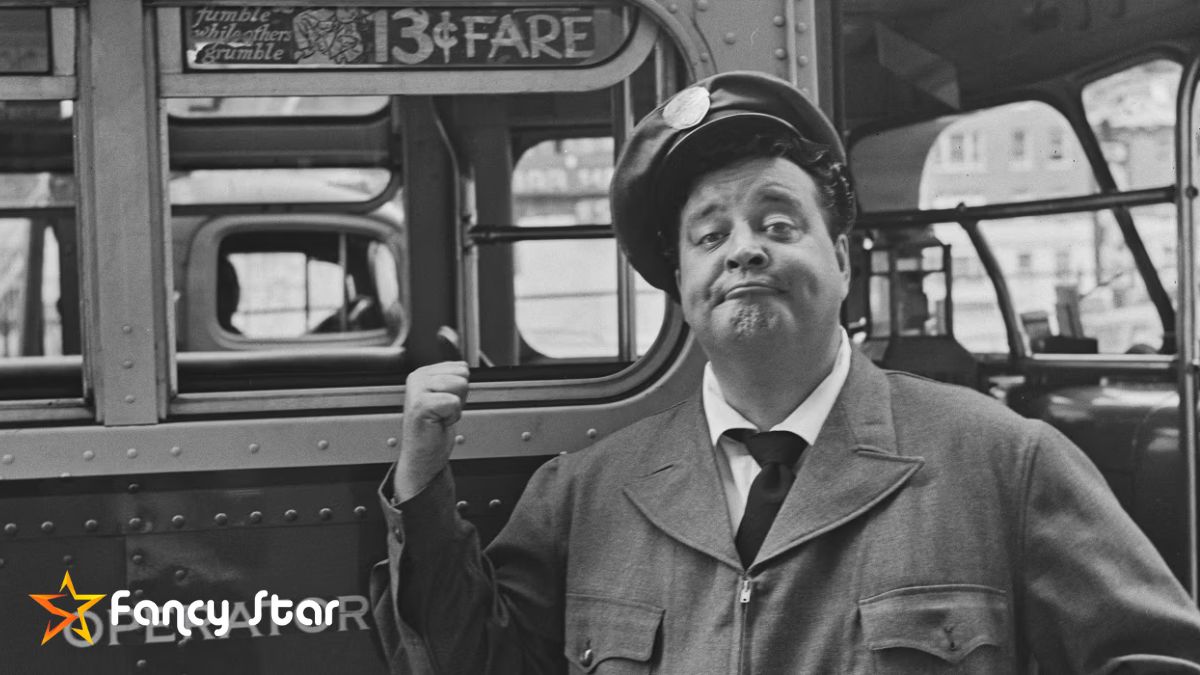
Ralph Kramden, the unforgettable everyman from 'The Honeymooners,' captures our hearts with his relatable flaws and undeniable charm. As an iconic character, Ralph, portrayed by Jackie Gleason, brings to life the struggles of the average working man, facing everyday challenges with a mix of aggression and wisecracks. His childlike traits and insecurities make him both endearing and exasperating, a classic example of the lovable jerk characters that have become staples in sitcom history.
We see Ralph as a devoted husband to Alice despite his frequent outbursts and grandiose schemes. His big dreams and bigger blunders mirror the hopes and frustrations of many viewers, making his character one we can't help but root for. Gleason's comedic genius shines through Ralph, creating a character that not only resonates with audiences but also paves the way for future flawed sitcom protagonists.
Through Ralph Kramden, we witness the timeless appeal of a man who, despite his imperfections, embodies the resilience and determination of the everyday person. His lasting impact on TV history is a tribute to the power of relatable, well-crafted characters in shaping our understanding of ourselves and our world.
As we explore Archie Bunker's role in television history, we can't overlook his complex character development and the cultural impact he had.
His evolution from a narrow-minded bigot to a more nuanced individual mirrored the societal changes of his time.
This transformation not only sparked important conversations but also solidified his legacy as a deeply influential TV icon.
Archie Bunker's character development in 'All In The Family' masterfully intertwines his bigoted views with glimpses of empathy and personal growth, making him a complex and unforgettable figure in television history.
Initially, Archie embodied racism, misogyny, and homophobia, reflecting the prejudiced beliefs prevalent in many households at the time. However, beneath his narrow-minded exterior, we saw a loving, hardworking man grappling with the rapid societal changes around him.
His journey wasn't straightforward. Archie's prejudiced beliefs were deeply rooted in his upbringing and environment, but the show's narrative allowed us to witness moments of evolving compassion.
These instances often emerged during interactions with his family and friends, especially when his bigotry clashed with their more progressive views. Over time, Archie's character development illustrated how exposure to diverse perspectives and experiences can challenge and reshape deeply ingrained prejudices.
Archie's struggles mirrored those of many viewers, making his growth relatable and impactful. His character arc didn't just entertain; it also prompted audiences to reflect on their own beliefs and biases.
In this way, Archie Bunker remains one of the most significant and impactful characters in TV history.
Reflecting the societal tensions of the 1970s, Archie Bunker became a lightning rod for discussions about race, gender, and social issues in America. Portrayed by Carroll O'Connor, Archie's character on 'All in the Family' was unapologetically racist, misogynistic, and homophobic. Yet, this controversial icon, created by Norman Lear, served as a mirror to the societal issues of the time, forcing viewers to confront uncomfortable truths.
Archie's narrow-mindedness stems from his environment and his struggles to adapt to a rapidly changing society. While his views were often offensive, they sparked essential conversations about prejudice and tolerance. Norman Lear used Archie Bunker to challenge societal norms, making audiences question their own beliefs and biases. This character's evolution, revealing a more loving and hardworking side, added layers of complexity and humanity that resonated deeply with viewers.
The cultural impact of Archie Bunker can't be overstated. His legacy in TV history is significant, as he remains a subject of study for his role in shaping cultural representation and sparking dialogue on critical issues. Archie Bunker's flawed yet relatable nature continues to be a powerful reminder of the importance of confronting societal issues head-on.
George Jefferson, despite his fiery temper and obsession with wealth, consistently displayed a heart of gold that resonated deeply with audiences. His character development throughout 'The Jeffersons' tackled societal issues head-on.
Initially, George's prejudices mirrored the discrimination he faced as a working man. This portrayal highlighted the complexity of personal growth and the impact of societal pressures.
As we watched George Jefferson evolve, his heart of gold became increasingly evident. Though often abrasive and quick to anger, his actions frequently revealed a deep sense of compassion and justice. He stood up for what he believed was right, even if it meant confronting his own flaws and prejudices.
This journey of character development provided viewers with a nuanced perspective on overcoming personal and societal challenges.
George's story echoed the struggles of many working men, facing insecurities and maneuvering a world rife with obstacles. His mix of aggression and wit made him relatable, while his moments of vulnerability endeared him to us.

Let's talk about Al Bundy, the ultimate insult craftsman whose verbal jabs are as legendary as his high school football glory days.
He uses his wit to cope with a life that's far from the dreams he once had before marriage.
Al's blend of humor and cynicism turns his miserable circumstances into a comedic masterpiece.
Al Bundy often wields his razor-sharp insults as a shield against the disappointments of his life, making him a master of verbal defense. In 'Married with Children,' Al Bundy stands out as an iconic insult craftsman. His quick wit and memorable one-liners have solidified his place in sitcom history. We see Al's sharp tongue in action as he navigates a life filled with unfulfilled dreams and constant frustration.
Al's verbal prowess serves three main purposes:
These elements make Al Bundy a character who resonates with many viewers. His ability to turn his bitterness into humor provides a much-needed release, both for himself and for the audience.
Through Al Bundy, 'Married with Children' gave us a character whose insults are more than just words—they're a tribute to resilience and a coping mechanism in the face of life's adversities.
Reflecting on his high school glory days, we see how Al Bundy's past success on the football field contrasts sharply with his present life's disappointments, fueling his sharp-tongued defense mechanisms.
Al Bundy, the iconic character from 'Married... with Children,' was once a high school football star, immortalized by his legendary feat of scoring four touchdowns in a single game in 1966. This triumph is a cornerstone of his identity, a beacon of his former potential and dreams.
Yet, as we all know, Al's life didn't pan out as he'd hoped. His dreams of a successful football career were dashed, leaving him stuck in a dead-end job and a life filled with dissatisfaction and resentment. This stark contrast between his past glories and present miseries is what drives Al to master the art of using insults as a verbal defense mechanism.
When faced with life's daily frustrations, he lashes out with sharp wit and biting sarcasm, a confirmation of his impeccable verbal skills.
Despite his flaws, Al Bundy remains a beloved figure in sitcom history. His unique blend of humor and relatable struggles continues to resonate, making him an unforgettable character in television lore.
Throughout his marriage, Al Bundy's miserable life and unfulfilled dreams sharpened his verbal defense mechanisms, making him a master of biting humor and sarcasm. In 'Married... with Children', Al epitomizes a sad and pathetic life, which starkly contrasts with his impeccable verbal skills. His killer insults and quick wit provided a humorous shield against his daily disappointments and regrets.
Despite once scoring four touchdowns in a single high school football game, Al's dreams of gridiron glory were crushed by the mundane and unsatisfying existence he faced post-marriage. His life resonated with many viewers who saw their own struggles reflected in his experiences. Al's ability to turn his frustrations into sharp-tongued commentary became his signature.
Al's relatability stemmed from several key aspects of his character:
In essence, Al Bundy turned misery into comedy, making his character timeless and unforgettable.
When we look at flawed yet lovable sitcom characters, their mix of imperfections and endearing qualities makes them unforgettable. Characters like George Costanza from 'Seinfeld' and Joey Tribbiani from 'Friends' embody this unique blend. George's neurotic behavior and constant scheming are undeniably flawed, yet his vulnerability and honesty about his failures make him relatable and lovable.
Meanwhile, Joey's dimwitted charm and unwavering loyalty make us overlook his less-than-bright moments. Both characters challenge societal norms by showing that you don't have to be perfect to be loved.
Sitcoms have a knack for creating these complex characters who reflect the human condition. Ralph Kramden and Archie Bunker, for instance, display childlike traits and often act out their insecurities with aggression and wisecracks. Despite their rough exteriors, we see glimpses of their softer sides, making them endearing.
Similarly, George Jefferson and Al Bundy, with their money-obsessed and short-tempered natures, reveal growth and compassion over time. These characters resonate with us because they mirror our struggles and emotions. They challenge stereotypes and societal norms while engaging us through their mix of flaws and lovable qualities, making them timeless icons in TV history.
As sitcoms progress, we often see our favorite characters evolve in ways that deepen their complexity and endear them even more to audiences. This evolution of iconic characters not only showcases their development but also cements their place in TV history.
For instance, Joey Tribbiani from *Friends* transformed from an intelligent adult to a lovable goof with memorable catchphrases like 'How you doin'?' This progression made him a fan-favorite.
Similarly, Britta Perry from *Community* started as rational and competent but eventually became more insecure and exaggerated her flaws, highlighting her character development. Andy Dwyer from *Parks and Recreation* is another example; initially an unlikeable character, he evolved into a fan favorite thanks to Chris Pratt's portrayal.
Let's break down these evolutions:
These transformations show how character development is essential for keeping audiences engaged. The progression of these iconic characters reflects not just changes in their personalities but also the skillful portrayal by the actors, making them unforgettable in TV history.
We believe Lucy Ricardo is the greatest sitcom character of all time. Her comedic talent and lovable personality set a high bar for TV comedy, making her an enduring icon in the world of sitcoms.
We've seen sitcoms where the main character shares the same name as the actor, like Jerry Seinfeld in 'Seinfeld' and Larry David in 'Curb Your Enthusiasm.' This approach adds authenticity and blurs the line between fiction and reality.
We think George Costanza might be the best sitcom character of all time. His neurotic quirks and hilarious antics made 'Seinfeld' unforgettable. While opinions vary, his impact on TV history is undeniably significant and enduring.
In reflecting on these timeless sitcom characters, we see the indelible marks they've left on television history. From Ralph Kramden's everyman struggles to Archie Bunker's controversial take and George Jefferson's golden heart to Al Bundy's sharp wit, they've all contributed to the rich tapestry of TV.
Their flaws and charms have made them unforgettable, proving that the evolution of iconic characters continues to shape our viewing experiences and cultural conversations.