

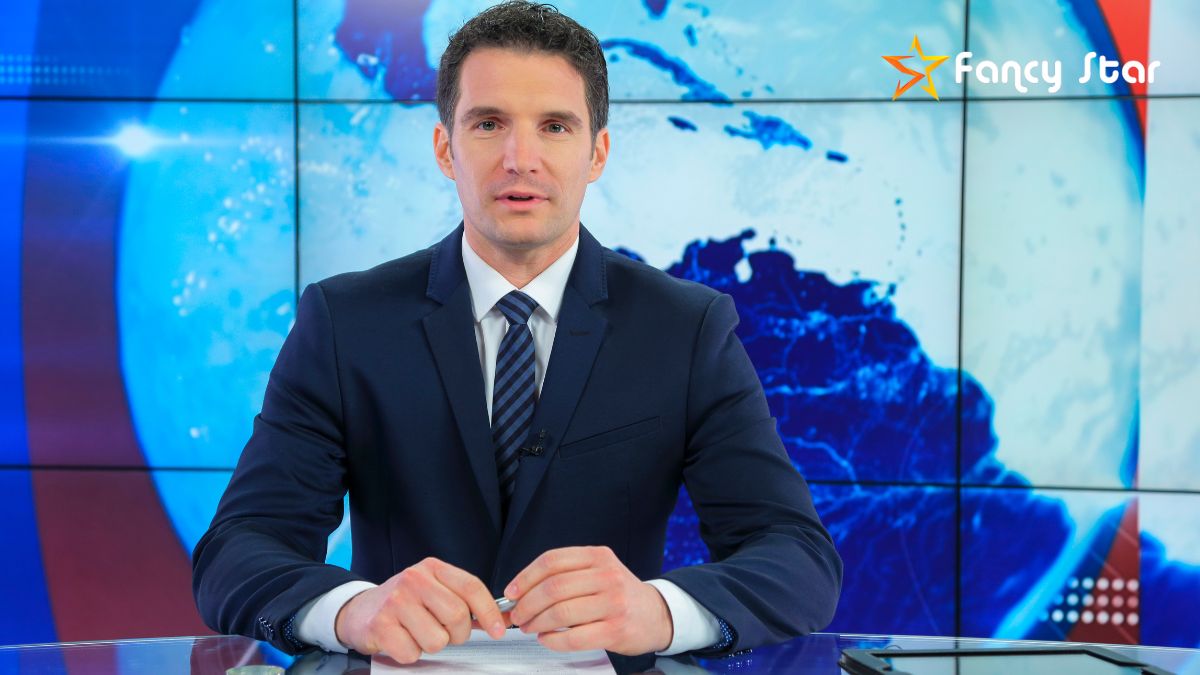
To launch our news anchor career, we start by understanding the role and obtaining a degree in journalism or mass communication. Internships and university news stations provide essential hands-on experience. Developing strong communication skills, on-screen presence, and time management are critical. We should apply for entry-level positions like news assistants to gain newsroom insights and consider networking at industry conferences. Further education, such as a master's in broadcast journalism, can boost our qualifications. By focusing on these steps, we'll be on track to becoming successful news anchors, and more insights await us on our exciting journey forward.
Understanding the role of a news anchor is crucial if we want to succeed in this dynamic field. As news anchors, we're not just reading scripts on camera. We report local, national, or international news, specializing in areas like sports or politics. Our responsibilities extend beyond the studio; we might deliver news updates from the scene of an event or conduct interviews with key figures.
Essential skills for this career path include excellent public speaking skills and the ability to engage with audiences effectively. Our role requires us to be the face of the news, which means maintaining a well-polished appearance and demonstrating strong communication abilities. We collaborate with reporters, schedule interviews, and even write scripts, making our job multifaceted and demanding.
Industry trends show a growing need for anchors who can adapt to various topics and formats, from traditional broadcasts to digital platforms. Engaging with audiences has never been more critical, and our ability to connect with viewers sets us apart in this competitive field.
Mastering these essential skills and understanding our responsibilities are key steps in thriving as a news anchor. Let's embrace the challenge and make a significant impact in the world of news.

Securing a relevant degree in journalism or mass communication is a pivotal step for those of us eyeing a career as news anchors. A degree in journalism provides the formal education necessary to understand and excel in news anchor roles. By studying journalism or mass communication, we gain essential knowledge and skills, including reporting, ethics, and media law, all critical for aspiring news anchors.
Degrees in related fields like communications or media studies also enhance our chances of success in the news anchor industry. These programs often offer specialized courses tailored to the demands of the news anchor career. Institutions such as NYU provide tailored journalism programs, equipping us with the expertise needed to thrive.
Pursuing a relevant degree can significantly improve our job prospects. The news anchor industry highly values formal education, and having a degree sets us apart from the competition. It demonstrates our commitment and preparedness for the role. Additionally, the connections we make during our studies, including internships and networking opportunities, are invaluable for our future careers.
While obtaining a relevant degree lays the groundwork, gaining practical experience is crucial for cementing our skills as future news anchors. Internships at local news stations or journalism outlets offer invaluable exposure to the industry. These internships let us dive into news content creation and deliver news content firsthand, shaping our understanding of the newsroom dynamics.
Participating in university news stations or community radio programs is another excellent way to hone our skills. These platforms provide the perfect environment to practice reporting, anchoring, and even behind-the-scenes production work. By engaging with these resources, we can learn the responsibilities that come with the role and get a taste of real-world broadcasting.
Shadowing experienced anchors or journalists is also a fantastic way to gain insights into the daily grind of the profession. Observing their techniques and workflows helps us grasp the nuances of on-air presentation and newsroom coordination.
To thrive as news anchors, mastering key skills is imperative. First and foremost, we need strong communication skills to engage and inform audiences effectively. This isn't just about speaking clearly; it's about connecting with viewers on a personal level and delivering news in an engaging manner.
Developing a polished on-screen presence is equally essential. Our confidence and demeanor on camera can significantly impact how our message is received. Practice makes perfect here; regular on-camera exercises can help us improve our delivery and body language.
Time management skills are crucial in this fast-paced industry. We're often working against the clock to meet strict deadlines, and efficient time management ensures we can balance multiple tasks without compromising on quality.
Another vital aspect is the ability to research and stay updated on current events. Accurate news reports depend on our knowledge and understanding of ongoing issues. Staying informed allows us to deliver precise information to our audience.
Lastly, building a network within the industry can open up valuable opportunities. By connecting with experienced professionals, we can gain insights and mentorship that will help us advance our careers.
Landing entry-level jobs is our crucial first step toward becoming successful news anchors. These positions, such as news assistant or field reporter, offer invaluable hands-on experience. By diving into reporting, writing scripts, and conducting interviews, we start building a solid foundation for our future careers.
Entry-level jobs aren't just stepping stones; they're opportunities for skills development. Through tasks like storytelling and public speaking, we learn to engage with our audience effectively. Each assignment, whether it's crafting a compelling script or capturing the essence of a story on camera, hones our abilities and prepares us for more significant responsibilities.
As news assistants or field reporters, we get to see the inner workings of a newsroom. This exposure allows us to understand different facets of news production, from gathering information to delivering a polished segment.
The hands-on experience we gain is essential for progressing to anchor roles, where a keen sense of timing and a deep understanding of the news cycle are critical.

After securing entry-level positions, it's time to focus on building a professional network to advance our news anchor careers. Networking is essential in our field, as connections often lead to job opportunities and career growth. By establishing relationships with industry professionals, we can gain invaluable insights, mentorship, and career advice that can guide us on our journey.
One effective way to expand our network is by attending industry events. These gatherings provide a fantastic opportunity to meet and engage with seasoned professionals who can offer guidance and open doors to new opportunities.
Additionally, joining journalism associations can further extend our reach within the media industry, allowing us to connect with peers and mentors alike.
Utilizing online platforms like LinkedIn is also crucial for building a network. By connecting with professionals in the media industry on LinkedIn, we can stay informed about industry trends, share our achievements, and learn about potential job openings.
Engaging in relevant online discussions and joining groups can further enhance our visibility and credibility.
A strong professional network offers support, guidance, and access to job opportunities, making it a vital component of our career development in the news anchor field. Let's make networking a priority to ensure our continued success.
Advancing in our news anchor careers involves more than just gaining experience; it requires strategic actions and continuous learning. One of the most effective ways to achieve career advancement is by networking with seasoned news anchors and industry professionals. Their mentorship can provide invaluable career advice and open doors to new opportunities.
Joining professional associations related to journalism or broadcasting keeps us updated on the latest industry trends. These organizations often offer resources and events that are crucial for our professional development.
Attending industry conferences and training opportunities allows us to enhance our skills and stay competitive in the media career landscape.
We should also actively seek out new job opportunities by leveraging our network. Staying connected with industry contacts can lead to potential career advancements that mightn't be publicly advertised. Additionally, many media companies, such as NBCU Academy, offer professional development resources that can further our careers.
For anyone serious about becoming a news anchor, considering further education is a crucial step. Pursuing a degree in broadcast journalism can significantly enhance our prospects in the competitive news anchor field. Formal education equips us with the necessary skills and knowledge required for a successful career. Specialized programs, like those offered by NYU, provide tailored education specifically designed for aspiring news anchors, giving us a solid foundation and competitive edge.
Additionally, obtaining a master's degree in broadcast journalism can further bolster our qualifications, making us more attractive candidates for high-profile journalism jobs. Education in related fields, such as communications or media studies, can also significantly improve our chances of securing a news anchor position. These fields offer complementary skills that are highly valued in the industry.
Formal education isn't just about gaining knowledge; it's about making us more competitive in the job market. By investing in a degree or master's program, we demonstrate our commitment to the profession and our readiness to tackle the challenges of the news anchor field. Let's take this step seriously to enhance our prospects and achieve our career goals.
To become a news anchor, we should earn a journalism degree, gain experience through internships, hone our communication skills, network within the industry, stay updated on current affairs, and engage in storytelling to excel in our careers.
We introduce ourselves by stating our names and the news outlet we represent. We briefly describe our role in news reporting, emphasizing our experience and credentials. Engaging our audience with clarity and confidence, we establish credibility immediately.
We need to focus on honing our communication skills, staying informed about current events, and gaining practical experience. Building a network in the industry and maintaining a strong on-screen presence will also help us become effective anchors.
We believe journalism, mass communication, or broadcast journalism courses are best for aspiring news anchors. Specialized training in writing, reporting, and presenting from institutions like NYU enhances our communication skills and on-screen presence, preparing us for successful careers.
As we wrap up our journey into launching a news anchor career, let's remember the essentials: understanding the role, obtaining a relevant degree, gaining practical experience, developing key skills, and applying for entry-level jobs. Building a professional network and considering further education can also propel us forward. By following these steps, we're well on our way to a successful and fulfilling career in news anchoring. Let's get started and make our mark!