

We've seen some fantastic influencer and brand collaborations that don't just elevate brand visibility but also drive genuine engagement and impressive sales growth. Barbie's #BarbieTheMovie campaign with global influencers grabbed attention worldwide. Calvin Klein's #MyCalvins emphasized authentic stories, while Daniel Wellington leveraged micro-influencers effectively. Fitness brands like Fiji Water and Gymshark tapped into fitness influencers for a dynamic presence. In tech, Google and Samsung Galaxy created buzz through Addison Rae and Myra Molloy. HBO's Euphoria campaign and Warby Parker's partnerships further demonstrate strategic industry moves, with Huda Beauty achieving notable success in product launches. Let's explore these collaborations further.
Barbie's #BarbieTheMovie campaign ingeniously utilized the power of global influencers to create excitement and interaction. By teaming up with diverse influencers from around the world, Barbie reached various audiences, generating a widespread and inclusive appeal. These influencer partnerships played a pivotal role in propelling the campaign's success, as they helped amplify the movie's message across multiple platforms.
The campaign's hashtags, #BarbieTheMovie and #BarbieMovie, sparked over 1.5 million posts on Instagram. This level of activity greatly enhanced brand visibility and awareness. Fans were prompted to share their own Barbie interpretations, resulting in over 1 million pieces of unique user-generated content. This approach not only boosted user engagement but also fostered a sense of personal connection with the brand.
Let's look at Calvin Klein's #MyCalvins campaign, which brilliantly emphasized authentic brand stories and leveraged influencer creativity. With over 870K posts on Instagram, it boosted the brand's social media engagement rate by five times.
Often, the most compelling brand stories are those that resonate deeply with personal experiences, and Calvin Klein's #MyCalvins campaign is a standout example. By emphasizing authentic storytelling, the brand managed to create a notable impact in the digital space. The campaign encouraged influencers and everyday consumers alike to share their unique Calvin Klein stories, which highlighted personal connections with the brand. This approach not only boosted engagement rates but also fostered a sense of inclusivity and authenticity.
We saw over 870K posts on Instagram under the #MyCalvins hashtag, showcasing the power of this authentic brand storytelling. By leveraging influencers, Calvin Klein increased its brand visibility and awareness notably. The genuine, user-generated content led to a 5X increase in social media engagement rates, demonstrating the effectiveness of this strategy.
Furthermore, by focusing on authentic stories, Calvin Klein was able to build strong brand loyalty. When consumers see real people sharing their personal experiences with a brand, it enhances their trust and connection. This campaign has proven that authentic storytelling isn't just a buzzword; it's a powerful tool for driving engagement and building long-lasting relationships with consumers.
Calvin Klein's #MyCalvins campaign is a prime example of how brands can leverage influencer creativity to drive engagement and visibility. With over 870K posts on Instagram, this campaign showcased the immense power of influencers. By focusing on inclusivity and authenticity, Calvin Klein saw a remarkable 5X increase in social media engagement rates.
We can see how encouraging consumers to share their unique Calvin Klein stories allowed the brand to harness the influence of the internet and influencers effectively. These creative collaborations didn't just drive hype; they also facilitated genuine connections with diverse audiences. The influencers' creativity played an essential role in amplifying brand visibility, making Calvin Klein products more relatable and desirable.
Collaborations with influencers were at the heart of the #MyCalvins success. By tapping into the authentic voices of these influencers, Calvin Klein managed to create content that resonated deeply with their audience. This strategy not only enhanced engagement but also guaranteed the campaign's message reached a broader demographic.
Incorporating influencer creativity in marketing strategies, as demonstrated by Calvin Klein, is vital for brands looking to boost engagement, maintain authenticity, and connect with diverse audiences.
When it comes to harnessing the power of micro-influencers, Daniel Wellington stands out as a trailblazer in the digital marketing landscape. By strategically engaging with micro-influencers, the brand hasn't only enhanced its visibility but has also established a noteworthy presence on social media platforms.
Daniel Wellington's micro-influencer strategy has led to over 2 million posts with the branded hashtag #danielwellington on Instagram, showcasing the widespread reach of their influencer partnerships.
Through collaborations with over 10,000 content creators globally, Daniel Wellington has demonstrated how effective micro-influencers can be in creating authentic content that resonates with audiences. This approach has greatly boosted the brand's awareness and credibility, translating into increased sales and customer trust.
The authenticity and relatability of the content created by micro-influencers make it easier for potential customers to connect with the brand on a personal level.
Daniel Wellington's success highlights the impact of well-executed influencer partnerships in the digital marketing sphere. By prioritizing authentic content over sheer follower numbers, they've shown how micro-influencers can drive substantial engagement and brand loyalty.
Their strategy is a testament to the power of micro-influencers in enhancing brand visibility and fostering genuine connections with consumers.
Let's look at how Fiji Water's collaboration with fitness influencer Danielle Bernstein led to high engagement rates and boosted global brand visibility.
Collaborating with fitness influencers has proven to be a game-changer for Fiji Water, particularly evident in their partnership with Danielle Bernstein. This collaboration resulted in high engagement rates and marked a significant success in the domain of influencer marketing. By leveraging Danielle's influence and reach, Fiji Water was able to tap into a dedicated audience that values fitness and health, driving brand visibility and growth.
The influencer marketing campaign with Danielle showcased how a well-executed collaboration can elevate a brand's presence. Her authentic promotion of Fiji Water resonated with her followers, leading to increased interaction and interest in the brand. This high engagement not only boosted Fiji Water's online presence but also motivated other fitness influencers to join the movement, further amplifying the brand's reach.
As a result, Fiji Water's strategic move to collaborate with fitness influencers has been instrumental in their success. These partnerships haven't only enhanced brand visibility but have also positioned Fiji Water as a preferred choice among health-conscious consumers. This approach underscores the power of influencer marketing in driving brand growth and establishing a strong market presence.
Fiji Water's strategic use of fitness influencers has propelled its brand visibility to a global scale. By collaborating with prominent fitness influencer Danielle Bernstein, Fiji Water achieved high engagement and boosted its brand awareness to a considerable extent. This successful partnership didn't just stop with Bernstein; it motivated more fitness influencers to join forces with Fiji Water, further contributing to the brand's global growth.
Our strategic approach to leveraging influencer collaborations has been key to generating substantial user engagement. By aligning with fitness influencers, Fiji Water hasn't only enhanced its presence in the global market but also reached a wider audience that values health and wellness. The ripple effect of these partnerships is evident as we see the brand steadily climbing to become one of the largest water brands internationally.
Through calculated influencer collaborations, Fiji Water continues to attract attention and drive brand visibility. The focus on fitness influencers has proven effective in capturing the interest of a health-conscious audience, fostering stronger brand loyalty and recognition. As we continue down this path, we can expect Fiji Water's global growth to accelerate, solidifying its position in the competitive bottled water market.
Integrating with the fitness community has been a game-changer for us at Fiji Water. Working with fitness influencers like Danielle Bernstein hasn't only boosted our engagement but also notably increased our brand visibility. By partnering with these influencers, we've seen a surge in user-generated content, which has been pivotal in building customer trust and fostering authentic connections within specific communities.
These collaborations have led to high user engagement, contributing to our international growth. Fitness influencers promote our brand in an authentic way that resonates with their followers, making our presence felt in the fitness community. The success of these partnerships has motivated more influencers to collaborate with us, further enhancing our market presence.
Moreover, the fitness community's enthusiastic response underscores the effectiveness of influencer marketing in expanding our brand reach. This integration allows us to connect deeply with fitness enthusiasts, showcasing the benefits of Fiji Water in a way that feels genuine and relatable. The result? A stronger bond with our audience and a more robust market presence. By leveraging fitness influencers, we've effectively tapped into a vibrant, health-conscious community that aligns perfectly with our brand values.
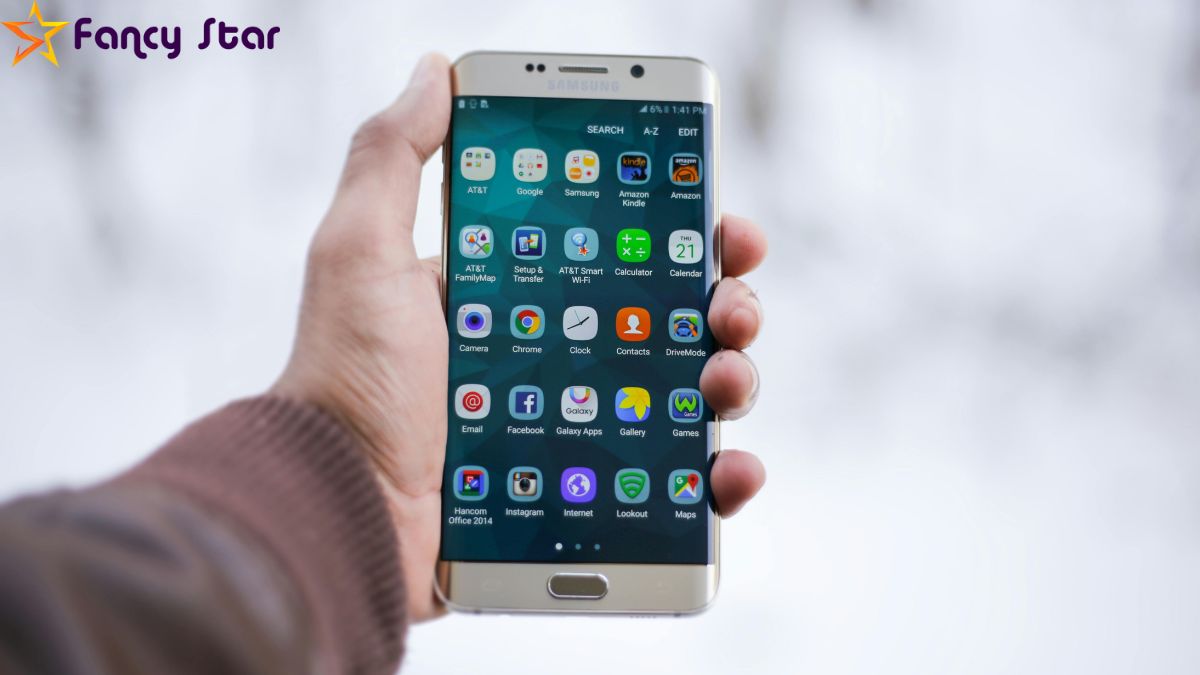
Google and Samsung Galaxy have joined forces to launch a standout influencer marketing campaign that has caught the tech world's attention. By leveraging the popularity and reach of influencers like Addison Rae and Myra Molloy, they've seamlessly promoted the Samsung Galaxy S22, enhancing both brand visibility and engagement.
As part of this influencer marketing campaign, Addison Rae brought her massive following into the fold, creating content that highlighted the Galaxy S22's cutting-edge features. Meanwhile, Myra Molloy's unique perspective and style resonated with a different yet equally engaged audience. It's clear that Google and Samsung understood the power of strategic partnerships in the tech industry.
We've seen how collaborating with the right influencers can elevate a product's presence in the market. By partnering with Addison Rae and Myra Molloy, Google and Samsung Galaxy didn't just increase their brand visibility; they also demonstrated a keen awareness of their target demographics.
This campaign is a prime example of how well-executed influencer collaborations can drive substantial engagement and interest in tech products.
Let's look at how influencers like Emma Chamberlain and Addison Rae made unforgettable fashion statements at the Met Gala. Their striking outfits not only caught our attention but also generated substantial buzz on social media. This highlights the powerful impact of digital influencers on fashion trends and industry dynamics.
The Met Gala 2021 turned into a fashion showcase as influencers like Emma Chamberlain and Addison Rae made unforgettable impressions with their standout ensembles. At this prestigious event, influencers weren't just attendees; they became fashion icons, making bold statements that resonated throughout the fashion industry.
Addison Rae, with her vintage Tom Ford dress, brought a timeless elegance to the red carpet, showcasing her impeccable style. Her choice of attire wasn't just a nod to high fashion but a declaration of her influential presence.
On the other hand, Emma Chamberlain's Louis Vuitton ensemble reflected her unique fashion sense, blending contemporary elements with a touch of sophistication. Both influencers' fashion statements garnered significant attention and praise from fashion enthusiasts worldwide.
Their appearances at the Met Gala highlighted their profound influence in the fashion industry. It's clear that influencers like Emma and Addison aren't just social media personalities; they're trendsetters whose style choices can sway public perception and industry trends.
As we reflect on the striking fashion statements made by influencers like Emma Chamberlain and Addison Rae at the Met Gala, it's impossible to ignore their immense social media impact. These high-profile events have become a powerful platform for influencers to showcase their brand collaborations and connect with millions of followers. The Met Gala highlighted how influencers shape the fashion industry, turning heads and setting trends with their bold style choices.
Celebrity influencers, including Kylie Jenner, made significant appearances, further demonstrating the event's influence. Their social media posts, often featuring collaborations with top fashion brands, generate massive engagement and drive consumer interest. By sharing behind-the-scenes moments, outfit details, and live updates, these influencers create a sense of inclusion for their audience, making them feel part of the exclusive event.
The fashion industry benefits greatly from this symbiotic relationship. Influencers amplify the reach of brands, while brands provide influencers with high-visibility opportunities. At the Met Gala, we saw firsthand how social media can elevate the profiles of both influencers and brands, solidifying their status in the fashion world. This dynamic interplay underscores the evolving landscape of fashion, where social media impact is undeniable.
Many have noticed how Warby Parker's collaborations with influencers have surged their brand's popularity. By forming strategic influencer brand partnerships, Warby Parker has notably increased their brand visibility and awareness. These collaborations have allowed them to promote their eyewear products effectively, reaching new audiences and engaging with existing customers in ways that traditional marketing couldn't achieve.
Warby Parker's approach to influencer collaborations has been particularly effective in enhancing their social media presence. By partnering with popular figures who resonate with their target demographic, they've been able to build trust and authenticity around their brand. This social media presence hasn't only showcased their stylish eyewear products but also created a community of loyal customers who feel connected to the brand.
Engaging with customers through influencers has proven to be a key factor in Warby Parker's growth. These partnerships have provided valuable insights into customer preferences and trends, helping the company stay ahead in the competitive eyewear market.
Gymshark's strategic partnerships with fitness influencers like Whitney Simmons and Nikki Blackketter have propelled the brand into the limelight. These collaborations haven't just boosted Gymshark's visibility but also assisted us in reaching new audiences within the fitness community. By emphasizing authenticity, these fitness influencers showcase genuine fitness journeys and workouts, making the brand more relatable and trustworthy.
These partnerships go beyond mere surface-level endorsements. Influencers frequently promote Gymshark's activewear collections through sponsored posts and captivating workout videos. This approach guarantees that the brand is integrated into daily fitness routines, which resonates well with their audience.
Here are four key benefits we've observed from Gymshark's influencer collaborations:
Leveraging organic influencer marketing, HBO's Euphoria campaign tapped into the massive followings of prominent influencers like Emma Chamberlain and Addison Rae to promote the show. This strategy wasn't only innovative but also incredibly effective. By using influencers who already had strong connections with their audiences, HBO managed to create an authentic buzz and excitement around Euphoria.
The use of organic influencer marketing in this campaign was a masterstroke. Instead of traditional advertisements, the influencers' genuine enthusiasm for the show resonated with their followers. Emma Chamberlain and Addison Rae, with their millions of devoted fans, played a significant role in spreading the word. Their posts and stories about Euphoria felt more like personal recommendations than paid promotions, which naturally led to increased audience engagement.
This type of brand collaboration was instrumental in driving Euphoria's success. Fans of these influencers felt a personal connection to the show, which translated into higher viewership numbers for HBO.
The campaign demonstrated how well-executed influencer marketing could elevate a brand's visibility and popularity. By leveraging the power of prominent influencers, HBO's Euphoria campaign showcased the immense potential of organic influencer marketing in achieving remarkable results.
While HBO's Euphoria campaign showcased the power of organic influencer marketing in the entertainment industry, Huda Beauty's collaborations with top influencers highlight its impact in the beauty sector. By teaming up with influencers like Jaclyn Hill, Patrick Starrr, and Desi Perkins, Huda Beauty has successfully leveraged their vast followings for product launches and increased brand visibility.
These collaborations have been nothing short of successful. Influencers like Jaclyn Hill help promote Huda Beauty's products to their loyal followers, creating a ripple effect that drives high engagement and boosts sales growth. It's clear that Huda Beauty's strategic partnerships have solidified its strong presence in the competitive beauty industry.
To better understand Huda Beauty's impact, consider the following points:
We see brands like Nike, Calvin Klein, and Coca-Cola frequently using influencers in their campaigns. Daniel Wellington, Huda Beauty, and Maybelline also leverage influencer partnerships extensively to enhance brand visibility and drive engagement with their audiences.
We can find brand partnerships by using platforms like SKEEPERS and Upfluence, reaching out directly via email, and joining ambassador programs. Focusing on our audience demographics, engagement rate, and content quality will also attract potential collaborations.
The top 10 influencers include Kylie Jenner, Cristiano Ronaldo, and Selena Gomez. They have massive followings and collaborate with big brands like Nike and Coca-Cola. Their impact on brand visibility and sales is undeniable.
We often wonder which brand pays influencers the most. From what we've seen, luxury brands like Dior and Louis Vuitton and high-profile companies like Nike and Pepsi typically offer top dollar for influencer collaborations.
We've explored some of the best influencer and brand collaborations, from Barbie's global reach to Gymshark's fitness partnerships. These campaigns show just how powerful the right collaboration can be. By leveraging influencers, brands like Calvin Klein, Daniel Wellington, and Huda Beauty have reached new heights. It's clear that these strategic partnerships not only boost brand visibility but also build stronger connections with audiences. Let's keep an eye out for the next wave of innovative collaborations!