


We can all learn from the timeless techniques of legendary comedic movie performances to elevate our own comic delivery. Mastering comic timing, like Chaplin and Ball did, guarantees maximum impact. Developing distinct characters, as seen with The Dude and Ron Burgundy, brings depth and memorability. Embracing improvisation adds authenticity, drawing from icons like Robin Williams and Jim Carrey. Balancing scripted material with spontaneous moments keeps performances fresh. Studying comedy legends, leveraging physical comedy, and consistent practice refine our skills. Immerse yourself in these tips to truly discover the secrets behind these legendary comedic performances.
Mastering comic timing involves grasping the intricate rhythm and tempo needed to deliver jokes for maximum impact. When we think about comedy, recall that timing is crucial.
Greats like Charlie Chaplin and Lucille Ball weren't just funny because of their lines; they had impeccable comedic timing. They knew precisely when to pause when to speed up, and when to let the punch line land.
Comedic timing entails more than just saying the right words. It's about sensing the audience's reactions and adjusting our delivery on the fly. When we nail the timing, the punch lines land perfectly, creating a wave of laughter. This expectation and release are what makes comedy so effective and memorable.
Physical comedy also heavily relies on timing. Think of Chaplin's silent films where every gesture, fall, and expression was timed perfectly. It's not just about the action but the timing of it that matters.
To master this skill, we must practice, observe the masters, and experiment with pacing and pauses. By refining our comedic timing, we can turn a simple joke into a memorable moment that connects with our audience.
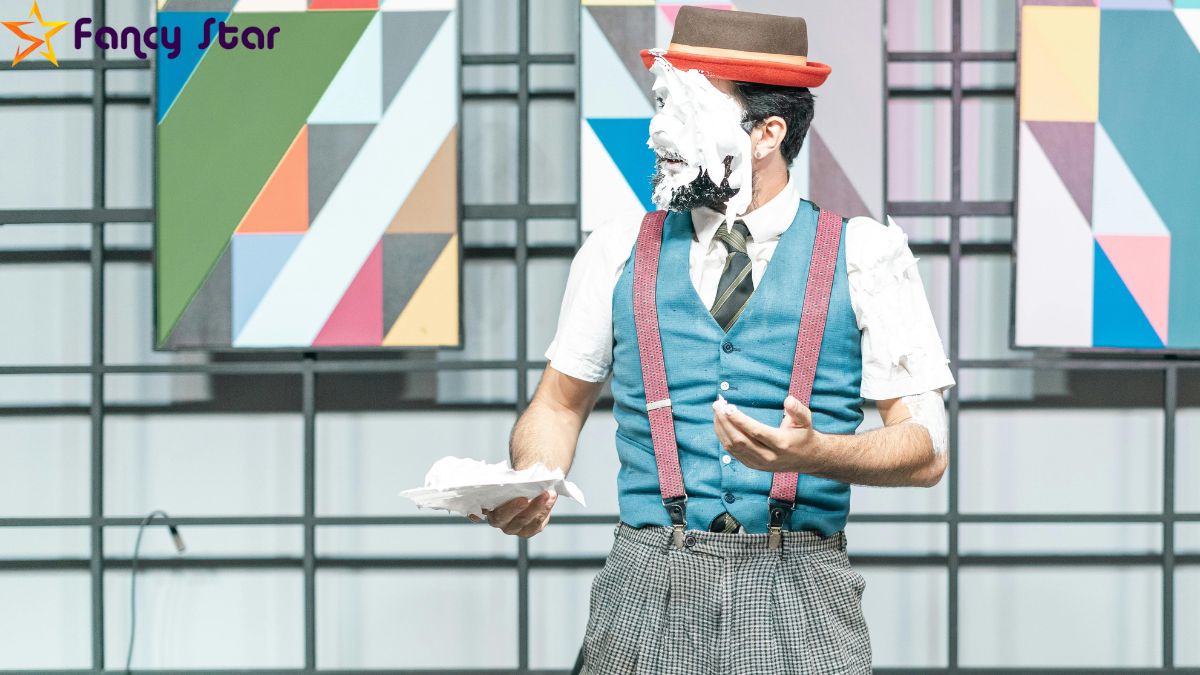
Creating unique characters is crucial for iconic comedic performances because they're what make movies unforgettable. In the realm of acting, memorable characters like The Dude from 'The Big Lebowski' and Ron Burgundy from 'Anchorman' stand out due to their distinct quirks, mannerisms, and personalities. These traits aren't just surface-level; they're deeply ingrained in the characters, making them relatable and amusing.
Character development is a vital part of this process. We must recognize that comedy is an art, and creating unique characters requires an in-depth exploration of their backgrounds, motivations, and idiosyncrasies. When we consider The Dude or Ron Burgundy, it's evident that the success of these performances lies in the actors' ability to fully embody and bring these characters to life. They don't just perform; they immerse themselves in these personas, making every line and action feel authentic and hilarious.
In our journey through the world of acting, focusing on creating unique characters can elevate a comedic performance, ensuring it withstands the test of time. It's about wholeheartedly committing to the role and ensuring every detail enhances the character's individuality, thereby solidifying their place in cinematic history.
In the world of comedic acting, embracing improvisation can transform a good performance into an unforgettable one. Improvisation adds an element of spontaneity and authenticity that scripted lines often can't achieve. Legendary comedians like Robin Williams and Jim Carrey mastered this art, creating iconic moments in their films that were entirely unscripted.
When we embrace improvisation, we allow ourselves to think on our feet and create in the moment. This spontaneity often leads to unique and memorable comedic performances that resonate with audiences. The authenticity that shines through when we improvise makes our characters more relatable and our humor more impactful.
One of the key principles of improvisation is the 'Yes, and...' approach. By accepting and building upon our scene partners' ideas, we keep the momentum going and create a collaborative, dynamic performance. This not only enhances our own creativity but also fosters a strong connection with our fellow actors.
Embracing improvisation isn't just about being funny on the spot; it's about being open to new possibilities and trusting our instincts. When we do this, we can access some truly unforgettable moments in our comedic performances.
When we balance scripted material with improv, we create spontaneity and authenticity in our comedic performances.
Seamlessly integrating these improvised moments into the script can greatly enhance humor and engagement.
Let's explore the techniques for seamless integration and the value of spontaneity in scripted scenes.
Balancing scripted material with improvisation relies on understanding our character's motivations and staying true to the scene's objectives. By doing so, we maintain the scene's narrative flow and comedic timing, making sure that any improvised moments enhance the humor without derailing the plot.
It's vital to weave improvisation into the scripted material seamlessly, allowing for natural shifts that keep the performance dynamic and engaging.
To achieve this, we need to practice active listening and respond in real-time. This helps us guarantee that our shifts between scripted dialogue and improvised interactions feel organic and unforced. When we listen attentively to our scene partners and react authentically, the audience can sense the spontaneity and authenticity, which heightens the comedic effect.
Furthermore, integrating improvised elements into the structured framework of the script can notably enhance the overall humor and entertainment value of the scene. By staying true to our character and the narrative, we can create improvised moments that feel like they belong, making the humor more impactful.
This balance between script and improv is what makes legendary comedic performances memorable and timeless.

We can elevate scripted scenes by skillfully blending in improvised moments that feel spontaneous and genuine. This balance ensures that our comedy performances maintain a natural flow, making them more relatable and engaging.
By allowing space for spontaneity within the confines of scripted material, we can introduce unexpected twists that breathe fresh life into our scenes.
Incorporating improvised moments doesn't mean abandoning the script; rather, it involves enhancing it. When actors are given the freedom to react authentically to their co-stars, the scripted material becomes a foundation for more dynamic interactions. This interplay between scripted dialogue and improvised reactions often results in memorable and unique comedic moments.
The key is to strike a balance where the improvised elements don't overshadow the scripted scenes but instead complement them. This approach makes the performances feel more authentic and less mechanical.
Audiences can sense when something is genuinely funny, and these spur-of-the-moment additions can often be the highlights of a scene.
In legendary comedic performances, the seamless integration of improv into the script has often been the secret ingredient to success. By mastering this balance, we can create comedy that resonates deeply and stays with the audience long after the credits roll.
Let's explore the timeless brilliance of comedy legends who've shaped the genre with their unique styles and unforgettable performances. Charlie Chaplin's mastery of physical comedy and slapstick humor in films like 'The Gold Rush' has left an indelible mark on the art of silent film. His impeccable timing and expressive gestures make his work a goldmine for anyone studying the foundations of comedic acting.
Lucille Ball revolutionized television with her groundbreaking comedic timing and physicality in 'I Love Lucy.' Her ability to blend situational humor with physical comedy set a new standard for sitcoms and continues to influence comedians today.
Jim Carrey's versatile comedy style has captivated audiences in movies like 'Ace Ventura: Pet Detective.' Known for his exaggerated expressions and dynamic physicality, Carrey demonstrates how embracing one's unique comedic voice can lead to memorable performances.
Robin Williams, with his quick wit and improvisational genius, brought characters to life in films like 'Mrs. Doubtfire.' His ability to seamlessly blend humor with heartfelt moments showcases the power of spontaneity and creativity in comedy.
When we leverage physical comedy, we tap into a timeless and universal form of humor that transcends language and cultural barriers. Physical comedy relies on exaggerated movements, gestures, and actions to elicit laughter. Iconic performers like Charlie Chaplin and Lucille Ball mastered this art, using their bodies to convey humor in ways that words alone couldn't achieve.
One of the essential elements of physical comedy is timing and precision. Every pratfall, stumble, and exaggerated movement must be executed with exactness to land the joke perfectly. A well-timed trip or a perfectly choreographed slapstick sequence can turn a simple scene into comedic gold.
Slapstick humor, characterized by its exaggerated physicality and often absurd situations, remains a beloved form of physical comedy. To effectively use physical comedy, we must understand the importance of exaggerated movements. These larger-than-life actions draw the audience's attention and amplify the humor. Whether it's a dramatic double-take or an over-the-top chase scene, the key is in the boldness of the performance.

When we look at legendary comedic performances, it's evident that consistent rehearsal is essential for mastery.
By practicing regularly, actors can fine-tune their timing and adjust their delivery for maximum impact.
Let's explore how this constant refinement leads to comedic brilliance on screen.
Consistent rehearsal is essential for nailing comedic timing and delivering legendary movie performances. When we rehearse consistently, we give ourselves the chance to refine our comedic skills and perfect our timing. It's in these moments of consistent practice that we can truly internalize our character's humor and style, making our delivery seamless and natural.
Rehearsal isn't just about memorizing lines; it's about understanding the nuances of comedy. Legendary comedic movie performances often involve extensive rehearsal to fine-tune every comedic moment. By rehearsing consistently, we can experiment with different approaches, discover what works best, and build the confidence needed to perform without hesitation.
Moreover, rehearsal allows us to connect with our castmates and develop a rhythm that enhances the overall comedic effect. It's through these repeated practices that we can anticipate each other's moves, leading to a more cohesive and fluid performance.
In essence, consistent rehearsal is our secret weapon. It transforms good performances into great ones by ensuring that our comedic timing is impeccable and our delivery is spot-on. Let's embrace the process and commit to rehearsing consistently for true mastery in comedic acting.
To elevate our comedic performances, we must analyze and adjust our timing by studying iconic scenes and experimenting with different techniques. By examining legendary performances, we can observe how timing and delivery play pivotal roles in making a joke land. Notice how actors pause, speed up, or emphasize certain words to elicit laughter. These subtle shifts in timing make a significant difference.
Next, let's experiment with different comedic timing techniques. Try varying the pacing of our lines or altering the rhythm of our delivery. Sometimes, a slight pause before the punchline can amplify the humor. Other times, delivering a line quickly might catch the audience off guard, enhancing the comedic effect.
Refinement comes through practice and rehearsal. Repeatedly performing the scene allows us to fine-tune our timing and delivery. Pay close attention to audience reactions during these practice sessions. Their feedback is invaluable; it helps us adjust our timing to maximize laughter.
Learning from legendary performances not only teaches us the nuances of timing and delivery but also helps us adapt our techniques based on real-time audience reactions. Ultimately, mastering timing requires continual practice, experimentation, and a keen awareness of how our audience responds.
We define a comedy movie by its ability to entertain and make us laugh through humorous situations, witty dialogue, and exaggerated scenarios. Key ingredients include skilled actors, sharp writing, and engaging, light-hearted storytelling.
We define the comedy movie genre by its primary goal to entertain and make us laugh. It features humorous situations, witty dialogue, and exaggerated characters. Subgenres like romantic and dark comedy cater to different tastes.
Funny movies make us laugh through clever writing, exaggerated characters, and absurd situations. They blend humor with relatable themes, using comedic timing and physical humor to create memorable, entertaining experiences that leave a lasting impact.
We've explored seven essential tips from legendary comedic movie performances:
By incorporating these insights, we can elevate our comedic chops and create memorable performances that resonate with audiences.
Let's apply these lessons, keep honing our skills, and maybe one day, we'll join the ranks of comedy greats ourselves.