


We can draw inspiration from the timeless allure of retro fashion, blending Hollywood's golden age glam with the rock and roll vibe of the mid-20th century. The retro style evolved through iconic eras, from the practical yet chic 1940s to the vibrant, rebellious 1960s. By mixing vintage elements like A-line dresses and cat-eye sunglasses with modern updates, we achieve a stylish, nostalgic look. Retro fashion stands apart from vintage by offering fresh takes rather than original pieces. Embracing this style connects us to a simpler yet stylish past while staying relevant in today's fashion scene. Curious about iconic items and tips?
The development of retro style began in post-war America when Hollywood's glamorous fashion became accessible to the masses. With newfound prosperity, people enthusiastically embraced the elegance and sophistication they saw on the big screen. As Hollywood stars dazzled in stunning attire, their looks became the blueprint for everyday fashion. This era marked the birth of retro fashion, a style that drew heavily from the past while incorporating modern elements.
Retro fashion rapidly evolved from the 1940s to the 1960s, heavily influenced by popular culture. Rock and roll music, with its rebellious spirit and distinctive look, played a significant role in shaping the styles of the time. Hollywood movies continued to inspire, as iconic outfits worn by actors and actresses became symbols of aspiration and trendsetting.
Our fascination with retro style lies in its ability to blend vintage elements with contemporary updates. Unlike vintage clothing, which originates from the actual time period, retro clothing is newly made and inspired by those classic styles. This makes it easier to find retro pieces in modern sizing and fabrics, ensuring we can enjoy a nostalgic look without sacrificing comfort.
The result is a timeless fusion of the old and the new, celebrating fashion's rich history.
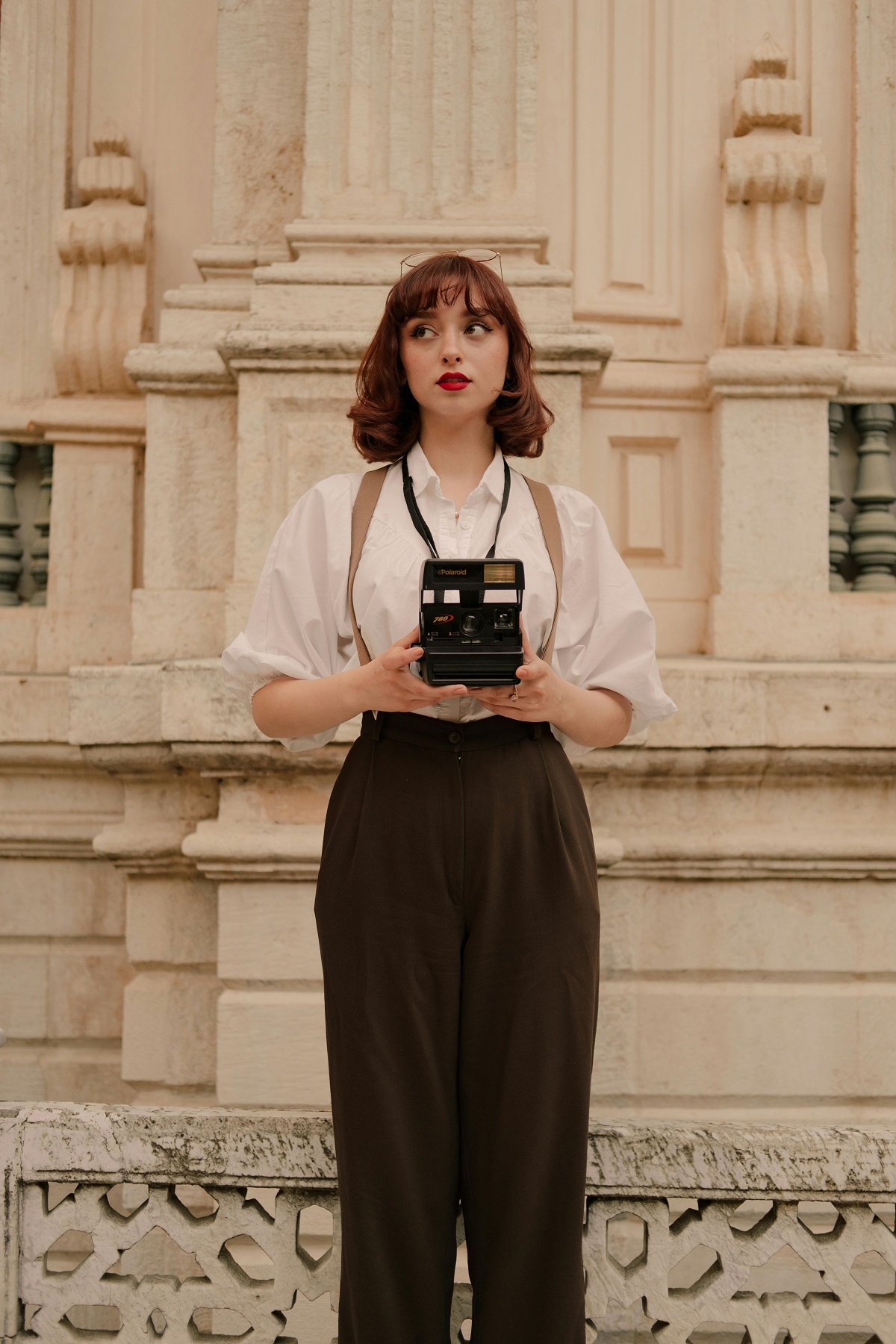
Retro fashion captures the essence of past decades, specifically the 1940s, 1950s, and 1960s, by blending iconic styles with modern updates. We see influences from wartime practicality, Hollywood glamour, and the pop culture of the time. Think poodle skirts, Mod style, and sharply tailored suits—all these elements define retro fashion's charm.
Unlike vintage clothing, which is authentic and often difficult to find in good condition, retro fashion offers new garments inspired by these classic styles. This makes it easier for us to find pieces in contemporary sizing and modern fabrics.
Retro fashion reflects a simpler time, emphasizing quality and timeless style. It's not just about mimicking the past but also updating it for the present. Modern designers frequently draw from retro inspirations, infusing classic silhouettes with contemporary twists. This continuous evolution keeps retro fashion relevant and exciting.
Whether it's a pin-up dress with a modern fit or a 60s-inspired shift dress in a current print, retro fashion manages to stay fresh while paying homage to its roots. By embracing retro fashion, we celebrate the enduring appeal of these iconic styles and maintain they remain an integral part of our fashion landscape.
Many people often confuse retro and vintage fashion, but it's important to understand the distinction between the two. Vintage clothing is from the actual time period, making it highly collectible and sought after by enthusiasts for its authenticity. These pieces are often hard to find in good wearable condition due to their age and rarity. The charm of vintage fashion lies in its genuine connection to the past, offering a unique glimpse into the styles that were defined bygone eras.
On the other hand, retro fashion is new clothing inspired by vintage styles. This means we get the best of both worlds: the classic look of yesteryear with the comfort and durability of modern fabrics. Retro fashion is easier to find in current sizing, making it more accessible for those of us who want to embrace old-school flair without the hunt for rare, well-preserved pieces.
Retro styles blend vintage elements with contemporary updates, reflecting a fusion of past and present. This has led to a revival of classic fashion, offering timeless aesthetics with modern twists. By understanding these differences, we can better appreciate how both vintage and retro fashion bring unique value to our wardrobes.
Understanding the distinction between retro and vintage fashion sets the stage for exploring the various influences that have shaped retro fashion over the decades. Retro fashion draws heavily from past eras, incorporating elements that evoke nostalgia and timeless style. The influences on retro fashion are vast and varied, reflecting a blend of societal changes, cultural movements, and technological advancements.
Pop culture has been a significant driver in the evolution of retro fashion. Key influences include:
Makeup and hairstyles also played pivotal roles, defining each decade's signature looks. Retro fashion often reflects a simpler time, focusing on quality and style, offering classic pieces like poodle skirts and Mod styles with a contemporary twist. By understanding these influences, we can better appreciate the enduring appeal of retro fashion.
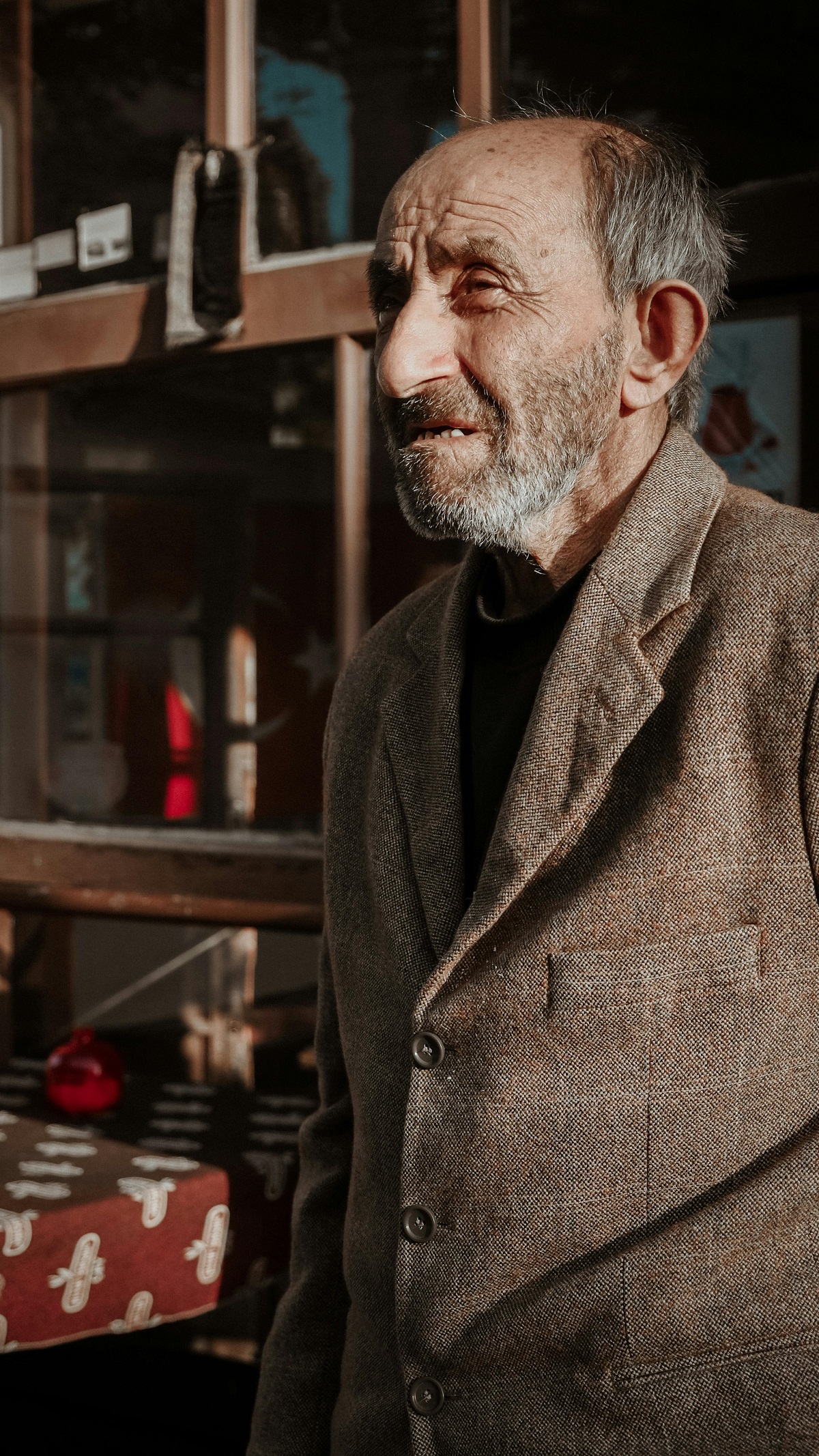
We've seen retro styles making a comeback as modern designers create pieces inspired by the past.
This blend of vintage charm with contemporary trends has made retro fashion accessible and appealing to a broader audience.
With modern sizing and fabrics, everyone can enjoy these stylish, nostalgic looks.
Embracing the charm of yesteryears, retro fashion revivals have surged in popularity, offering both style and accessibility. We're witnessing a beautiful fusion of vintage elements with contemporary trends, making retro fashion a standout choice for those who crave individuality in their wardrobe. Modern designers are drawing inspiration from the 1940s, 50s, and 60s, creating garments that reflect the quality and charm of these eras while updating them to meet today's fashion needs.
Retro fashion is more than just a nod to the past; it's about integrating timeless styles into our everyday lives. By blending classic designs with modern fabrics and sizing, we've made vintage-inspired clothing more accessible than ever. This accessibility means we can all enjoy the elegance of retro styles without sacrificing comfort or practicality.
With retro fashion's resurgence, we can effortlessly incorporate the elegance of past eras into our modern wardrobes.
Thanks to modern designers, retro fashion is more popular and accessible than ever, seamlessly blending vintage charm with contemporary convenience. We can now find vintage clothing that not only captures the essence of past eras but also fits our modern lifestyle needs.
Retro styles have surged in popularity, with designers cleverly infusing classic elements into today's fashion landscape.
The accessibility of modern retro fashion is one of its most appealing features. We can easily incorporate vintage flair into our wardrobes without browsing through thrift shops or waiting for rare finds. Retro-inspired garments are now available in modern sizing and fabrics, making it simpler for us to embrace nostalgic styles with the comfort and durability of contemporary materials.
Moreover, the fusion of vintage elements with current trends has broadened the appeal of retro clothing. This continuous evolution guarantees that retro styles remain relevant and exciting. We can enjoy the elegance of a 1950s silhouette or the bold patterns of the 1970s, all while appreciating the advancements in fabric technology and design.
In essence, modern retro fashion offers a unique blend of timeless charm and present-day practicality, making it simpler than ever for fashion-forward individuals to express their style.

Let's talk about the timeless wardrobe staples that define retro fashion, like the poodle skirt and saddle shoes from the 1950s.
We can't forget the essential accessories that complete these looks, such as pillbox hats and pearl necklaces.
These iconic items help us capture the essence of vintage style in our modern wardrobes.
When we think of timeless closet essentials, iconic retro fashion items like poodle skirts, A-line dresses, and peplum tops immediately come to mind. These pieces have transcended decades, each one representing a unique chapter in the evolution of fashion styles.
Let's explore some of these unforgettable classics that continue to inspire today's wardrobes.
Each of these items has a storied past and an enduring appeal, serving as a tribute to the lasting power of thoughtful design. Whether we're channeling the playful spirit of the 1950s or the streamlined sophistication of the 1960s, these timeless closet essentials keep the essence of retro fashion alive.
Retro fashion enthusiasts know that essential accessories like cat-eye sunglasses and pillbox hats can instantly elevate any outfit with a touch of vintage charm. These iconic pieces are more than just trendy add-ons—they're timeless classics that bring a sense of nostalgia and sophistication to our wardrobes.
Let's start with cat-eye sunglasses. These frames, popularized in the 1950s, offer a playful yet elegant look. Whether we're sporting a casual outfit or a more polished ensemble, cat-eye sunglasses add that perfect vintage flair.
Pillbox hats, another staple from the same era, offer a chic, polished touch to any look. They're perfect for adding a dash of retro elegance to our modern styles.
Saddle shoes and bobby socks transport us straight back to the 1950s. When paired with poodle skirts, they create an iconic image of retro fashion. For a '60s Mod vibe, oversized sunglasses and go-go boots are indispensable. These bold items embody the era's spirit and make a strong fashion statement.
Lastly, headscarves, brooches, and pearl necklaces are versatile accessories that seamlessly blend vintage charm into contemporary outfits. Berets, vintage gloves, and retro handbags also add a nostalgic touch, making our retro-inspired wardrobe both stylish and timeless.
Signature vintage looks transport us through time, showcasing iconic fashion items that have left an indelible mark on style history. From the playful poodle skirts of the 1950s to the sleek, bold Mod style of the 1960s, these pieces have shaped our fashion landscape.
Let's explore some of these unforgettable vintage items:
Retro fashion isn't just about nostalgia; it effortlessly blends vintage elements with modern fabrics, creating a stylish fusion that appeals to today's fashion-forward individuals.
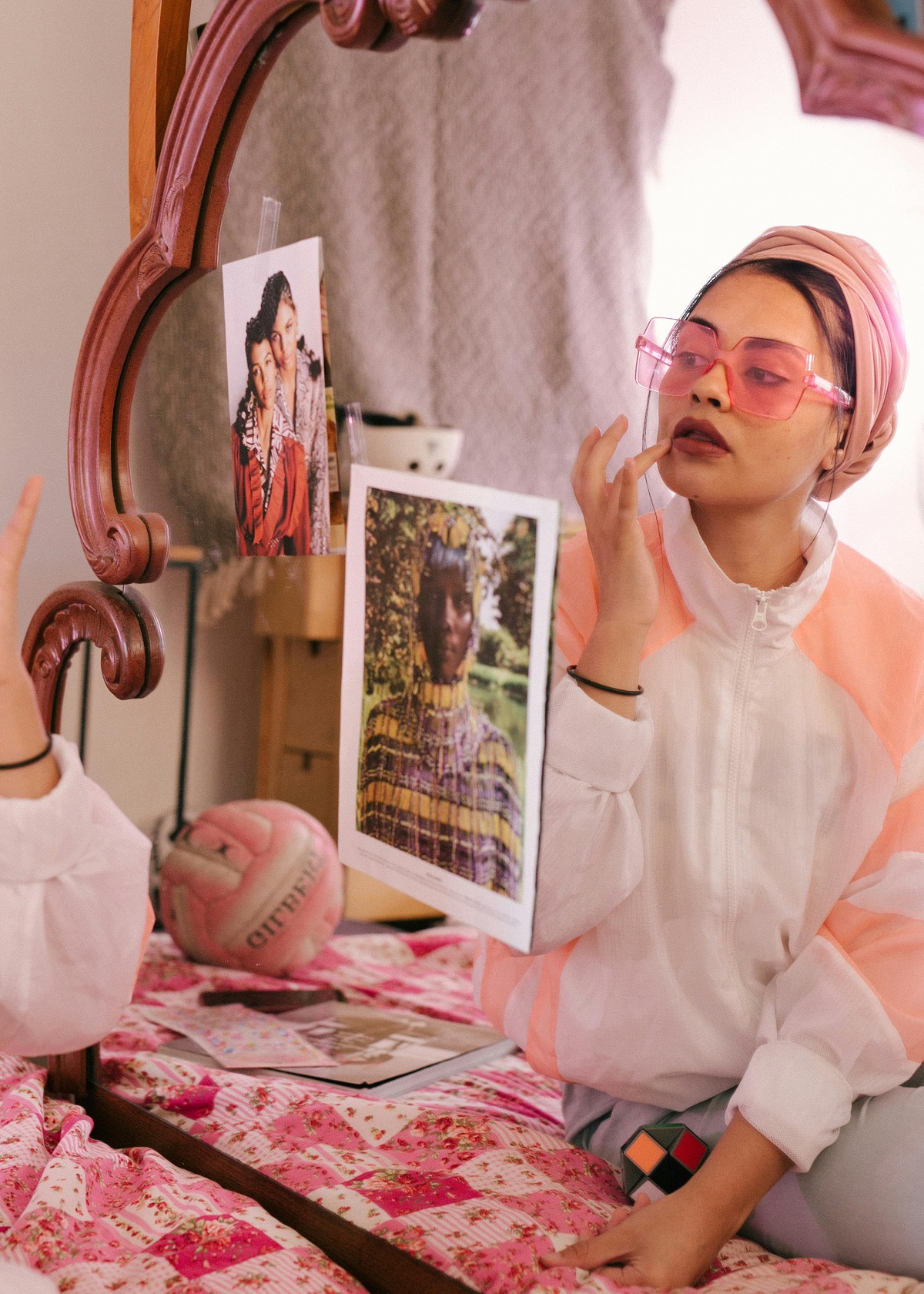
Incorporating vintage elements from past eras into our outfits can create a timeless, sophisticated look that's both unique and stylish. Retro fashion allows us to borrow iconic styles from the 1940s to the 1960s, blending them seamlessly with modern pieces. Think poodle skirts, Mod style dresses, and tailored blouses—each of these items adds a distinct charm to our wardrobe.
To nail retro styling, let's focus on quality craftsmanship and timeless designs. Vintage pieces often boast superior materials and attention to detail, making them not only stylish but durable. For a versatile retro look, we can mix vintage-inspired pieces with current wardrobe staples. Picture a classic Mod dress paired with contemporary boots or a tailored blouse with modern jeans.
Accessorizing plays an essential role in retro fashion. Hats and scarves can elevate a simple outfit while layering different textures adds depth and interest. Additionally, experimenting with classic silhouettes, like A-line skirts or high-waisted pants, can give our ensemble a unique, retro-chic flair.
Fashion icons like Madonna, Michael Jackson, and Prince defined the 90s style with their bold and innovative looks, leaving a lasting influence on the trends of the era. These legends weren't just musicians; they were trailblazers who brought unique fashion elements into the mainstream.
Madonna's edgy use of crop tops, Michael Jackson's iconic leather blazers, and Prince's flamboyant outfits all contributed to a decade brimming with fashion experimentation and confidence.
The 90s was a melting pot of styles, and we saw a blend of minimalism, grunge, and hip-hop aesthetics. Crop tops, in particular, became a wardrobe staple, epitomizing the era's spirit of fun and freedom. They were paired with everything from high-waisted jeans to leather skirts, creating versatile looks that still inspire today's fashion.
Key elements of 90s fashion included:
Building on the influence of fashion icons from the 90s, music's impact on fashion extended far beyond individual styles, shaping entire trends and cultural movements. Artists like Run DMC, Michael Jackson, Aaliyah, Will Smith, and Prince didn't just perform music; they crafted personas that inspired millions.
For instance, Run DMC's adoption of Adidas tracksuits and baggy jeans set the tone for street-wear culture, blending comfort with a cool, rebellious edge.
R&B, hip-hop, and alternative rock didn't just bring us new sounds—they introduced us to new ways of expressing ourselves through clothing. Baggy jeans became synonymous with the relaxed yet bold statements of hip-hop, while Michael Jackson's sequined gloves and military jackets showcased the glitz and structure that pop stars could bring to everyday wear. Aaliyah's fusion of tomboy chic and sultry styles made oversized clothing, like baggy jeans, a staple in wardrobes, balancing femininity with swagger.
These music icons pushed boundaries and embraced experimentation, confidence, and fun. Prince's flamboyant use of ruffles and platform trainers embodied a fearless approach to fashion.
As we reflect on retro styles, we see how music and fashion are intertwined, each influencing the other.
We can explore retro fashion styles like 1940s wartime chic, 1950s poodle skirts, and 1960s Mod. These looks mix vintage elements with modern fabrics, offering timeless, quality styles that are both nostalgic and accessible today.
We're inspired by Star Wars fashion through its futuristic technology, metallic accents, and sci-fi themes. Characters like Princess Leia and Darth Vader, along with space battles and unique alien species, influence our creative and avant-garde designs.
The retro style came from post-war America, where Hollywood fashion became more accessible. We saw rapid evolution from the 1940s to the 1960s, influenced by popular culture, rock and roll, and iconic Hollywood movies, shaping today's retro fashion.
Space Age fashion was inspired by our fascination with space exploration and technological advancements in the 1960s. Designers like Courrèges and Cardin used sleek, geometric shapes and metallic fabrics to reflect a futuristic vision and optimism.
In conclusion, we've delved into how retro fashion continues to inspire and shape our wardrobes. By understanding the difference between retro and vintage, acknowledging influential styles, and embracing iconic pieces, we can easily integrate these timeless trends into our everyday lives.
Let's honor the lasting allure of retro fashion, drawing inspiration from historical icons and trends and personalizing them. Together, we can uphold the essence of classic star styles, keeping them vibrant and flourishing.