


We're transported back to Hollywood's Golden Age, where iconic films like *The Wizard of Oz* and *Gone with the Wind* captivated audiences. Major studios like MGM, Twentieth Century-Fox, and Warner Bros. dominated, ensuring high production values and unforgettable stars such as Judy Garland and Clark Gable. Technological innovations like Technicolor and sound synchronization revolutionized filmmaking. The star system created larger-than-life personas, while genre films set the template for modern cinema. Though television and legal changes led to its decline, the era's lasting influence on storytelling and film can still be felt today. There's more to uncover about this fascinating time.
During the 1920s and 1930s, Hollywood's Golden Age reached its peak with iconic films like *The Wizard of Oz* and *Gone with the Wind*. This era was defined by the dominance of the studio system, where major studios like MGM, Twentieth Century-Fox, and Warner Bros held unparalleled control over film production and distribution. These studios churned out movies that have since become timeless classics and set the standard for cinematic excellence.
Technological advancements played a pivotal role in this Golden Age. The introduction of synchronous sound revolutionized the way stories were told, making dialogue and sound effects integral parts of film. Color film technology, epitomized by the vibrant visuals in *The Wizard of Oz*, added a new dimension to storytelling, while improved studio lighting techniques enhanced the visual quality of films.
However, the Golden Age began its decline around 1948, spurred by the rise of television competition, which diverted audiences away from movie theaters. Despite this decline, the lasting influence of this era is undeniable.
The innovations and iconic films from this period have left an indelible mark on cinematic history, forming a lasting cinematic legacy that continues to inspire modern filmmaking.

As we turn our attention to the major studios of Hollywood's Golden Age, we can't overlook the dominant studio system that defined this era.
MGM, Twentieth Century-Fox, and Warner Bros. not only produced iconic films but also launched legendary Hollywood stars.
Let's explore how these studios' control over production, distribution, and exhibition shaped cinema's legacy.
The dominant studio system, with powerhouses like MGM and Warner Bros., controlled every facet of film production in Hollywood's Golden Age. This era was defined by the studio system's vertical integration, where the Big Five studios—MGM, Paramount Pictures, Warner Bros., Twentieth Century-Fox, and RKO—along with the Little Three studios like Columbia Pictures and Universal Pictures, dominated the industry. They owned production facilities, distribution networks, and theaters, ensuring they'd complete control over the filmmaking process.
Under this system, studios signed actors to long-term contracts, managing their public images and guaranteeing a steady stream of films. This allowed them to produce iconic films that featured legendary stars, cementing the Golden Age of Hollywood in our collective memory.
The studio system's vertical integration meant that every aspect of a film's journey, from the initial script to its release in theaters, was controlled by these major studios.
This tight grip on film production helped create a consistent and high-quality output that defined Hollywood's Golden Age. The synergy between the studios, the legendary stars, and the iconic films they produced remains a tribute to the power and influence of the dominant studio system.
Hollywood's Golden Age dazzled audiences with iconic films produced by major studios like MGM, Warner Bros., and Twentieth Century Fox. These studios were the cornerstone of Hollywood's cinematic legacy, each contributing uniquely to the era's film productions.
MGM, led by Louis B. Mayer, perfected the star system, bringing us unforgettable classics such as 'The Wizard of Oz' and 'Gone with the Wind.' Their focus on high production values and star power set a benchmark in the industry.
Meanwhile, Twentieth Century Fox emerged as a formidable rival, producing significant films like 'The Grapes of Wrath' and 'How Green Was My Valley,' which resonated deeply with audiences.
Warner Bros. carved a niche with its memorable musicals and gripping noirs, delivering timeless films like 'Casablanca' and 'The Maltese Falcon.' Paramount Pictures, founded by Adolph Zukor, added to the Golden Age with sophisticated hits like 'Double Indemnity' and 'Sunset Boulevard,' showcasing the darker, more complex narratives of the time.
United Artists, co-founded by Charlie Chaplin, provided a platform for creative freedom, resulting in iconic films such as 'West Side Story' and 'Some Like It Hot.'
Together, these studios created a cinematic legacy that continues to influence modern filmmaking.
Celebrating the legendary stars of Hollywood's Golden Age, we marvel at how major studios like MGM, RKO, and Warner Bros. crafted enduring icons who continue to captivate audiences today. MGM, led by Louis B. Mayer, was instrumental in pioneering the star system, which meticulously groomed and promoted actors to become household names. This system shaped the very fabric of Hollywood, giving us iconic actors like Judy Garland, Clark Gable, and Greta Garbo.
Meanwhile, Twentieth Century Fox emerged as a formidable rival to MGM, contributing significantly to the era's cinematic legacy. With stars like Shirley Temple and Marilyn Monroe, Fox ensured its place in the annals of Hollywood history.
Warner Bros., another titan of the Golden Age, gained recognition not only for its stellar musicals but also for venturing into animated short films that delighted audiences of all ages.
These major studios didn't just produce movies; they built a legacy of Hollywood stars whose names are synonymous with cinema's golden era. The lasting charm of these iconic actors speaks volumes about the impact and vision of the studios that nurtured them, leaving a lasting imprint on the world of entertainment.
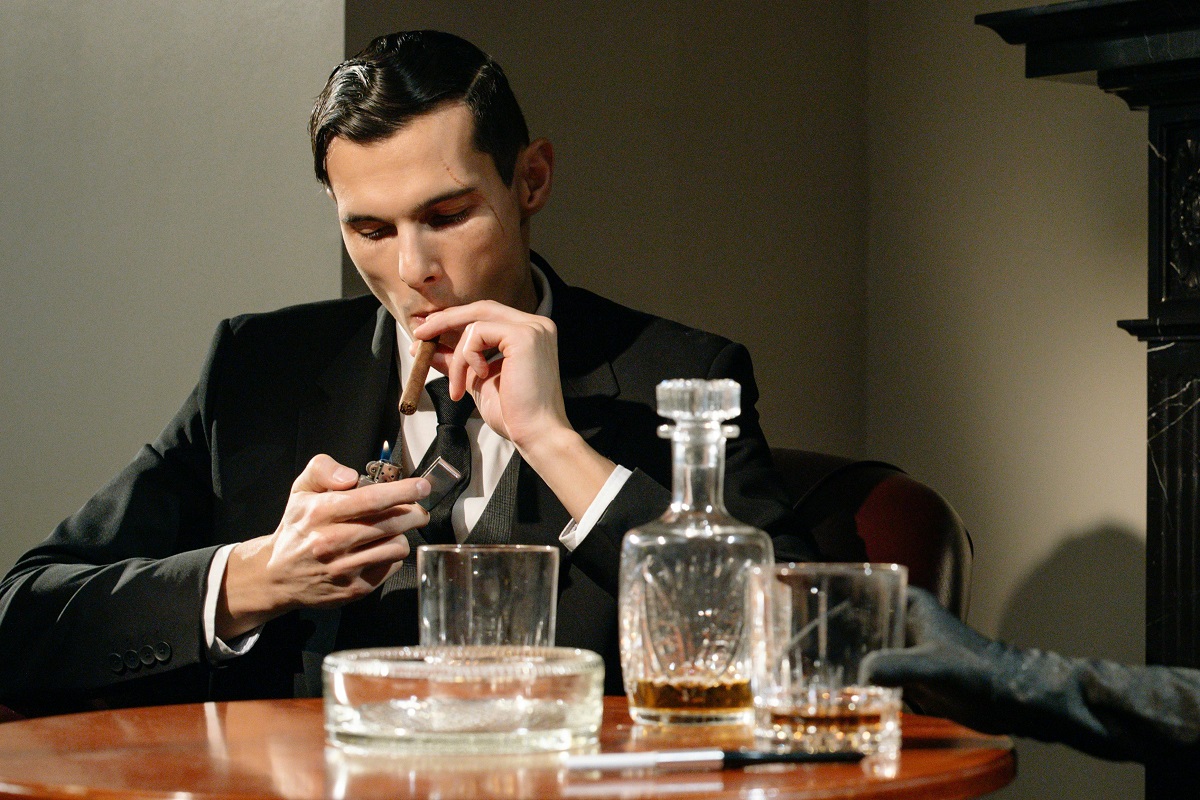
Technological advancements during Hollywood's Golden Era revolutionized the film industry, starting with the introduction of synchronized sound recording systems like Vitaphone. This breakthrough enabled the shift from silent films to talkies, forever changing how stories were told on screen.
The introduction of the three-strip Technicolor process brought vivid color to films, transforming visual presentation and making movies more visually appealing to audiences.
We also witnessed significant studio lighting innovations that enhanced the overall look of films, making scenes more dynamic and expressive. The establishment of cinematic language norms, such as the use of continuity editing, ensured a smooth narrative flow, allowing viewers to follow stories with greater ease and coherence.
These advancements laid the foundation for modern filmmaking techniques, influencing the way contemporary filmmakers approach storytelling and visual presentation.
Through these innovations, Hollywood's Golden Era set new standards for the industry. The shift to synchronized sound and the arrival of colorful films via the three-strip Technicolor process was pivotal.
Additionally, improvements in studio lighting and editing practices helped create a more refined cinematic language, enriching the storytelling experience for audiences and shaping the future of cinema.
Let's explore how genre films shaped Hollywood's Golden Age, starting with the iconic musical productions that dazzled audiences with stars like Gene Kelly and Judy Garland.
We can't forget the classic Western narratives that brought rugged heroes to the silver screen, becoming a defining feature of the era.
Meanwhile, film noir introduced us to a world of shadows and complex stories, setting the stage for future cinematic masterpieces.
Musicals from Hollywood's Golden Age, like 'Singin' in the Rain' and 'The Wizard of Oz,' dazzled audiences with their elaborate song-and-dance routines and unforgettable performances. These iconic films became synonymous with the magical allure of musicals, featuring stars like Gene Kelly, Judy Garland, and Fred Astaire. Their talents brought these films to life, creating a sense of wonder and joy that resonated deeply with viewers.
During the Great Depression and World War II, musicals provided much-needed escapism. People flocked to theaters to forget their troubles and immerse themselves in vibrant storytelling and memorable music. Gene Kelly's athletic dance routines, Judy Garland's heartfelt singing, and Fred Astaire's sophisticated choreography offered a perfect blend of entertainment and emotional relief.
These films didn't just entertain; they left a lasting legacy. The Golden Age musicals captivated audiences with their timeless charm and continue to enchant new generations. The catchy tunes and stunning visuals from these productions remain etched in our collective memory, highlighting a period when Hollywood truly knew how to lift spirits and create unforgettable cinematic experiences.
As we look back, these musical masterpieces remind us of the enduring power of film to inspire and delight.
Often capturing the rugged essence of the American frontier, classic Western narratives from Hollywood's Golden Age delivered thrilling tales of justice and adventure. These Western films took us on journeys through the Wild West, where rugged heroes faced off against outlaws in a struggle for justice. The genre reflected American ideals of courage and perseverance, portraying the triumph of good over evil in an untamed land.
Two iconic actors who became synonymous with the genre were John Wayne and Clint Eastwood. Their performances brought to life the gritty determination and moral complexity of the Wild West's characters. Films like 'Stagecoach' and 'High Noon' became timeless classics, embedding themselves in the cultural fabric of America.
Through these classic Western narratives, we continue to explore and appreciate the cinematic legacy of Hollywood's Golden Age.
As we move from the rugged landscapes of the American frontier, we find ourselves enveloped in the shadowy, urban world of film noir, where moral ambiguity and visual intrigue reign supreme. Emerging during the Golden Age of Hollywood, film noir aesthetics brought a unique flavor to cinema, characterized by dark, shadowy cinematography and complex, morally ambiguous narratives.
Noir films often featured antiheroes and femme fatales, reflecting the post-World War II disillusionment and societal anxieties. These characters navigated worlds rife with crime, corruption, and fatalism, epitomized by classics like 'Double Indemnity' and 'The Maltese Falcon.' The gritty urban settings and low-key lighting created stark contrasts that heightened the sense of mystery and danger.
Key visual elements, such as low-key lighting and stark contrasts, helped in constructing a visual language that communicated tension and intrigue. The narrative complexity of these films, often filled with plot twists and moral quandaries, kept audiences on the edge of their seats.
The influence of film noir extended beyond the Golden Age, shaping modern cinema with its distinct visual style and narrative depth. In this shadowy domain, we see how film noir continues to captivate with its gritty realism and profound moral questions.
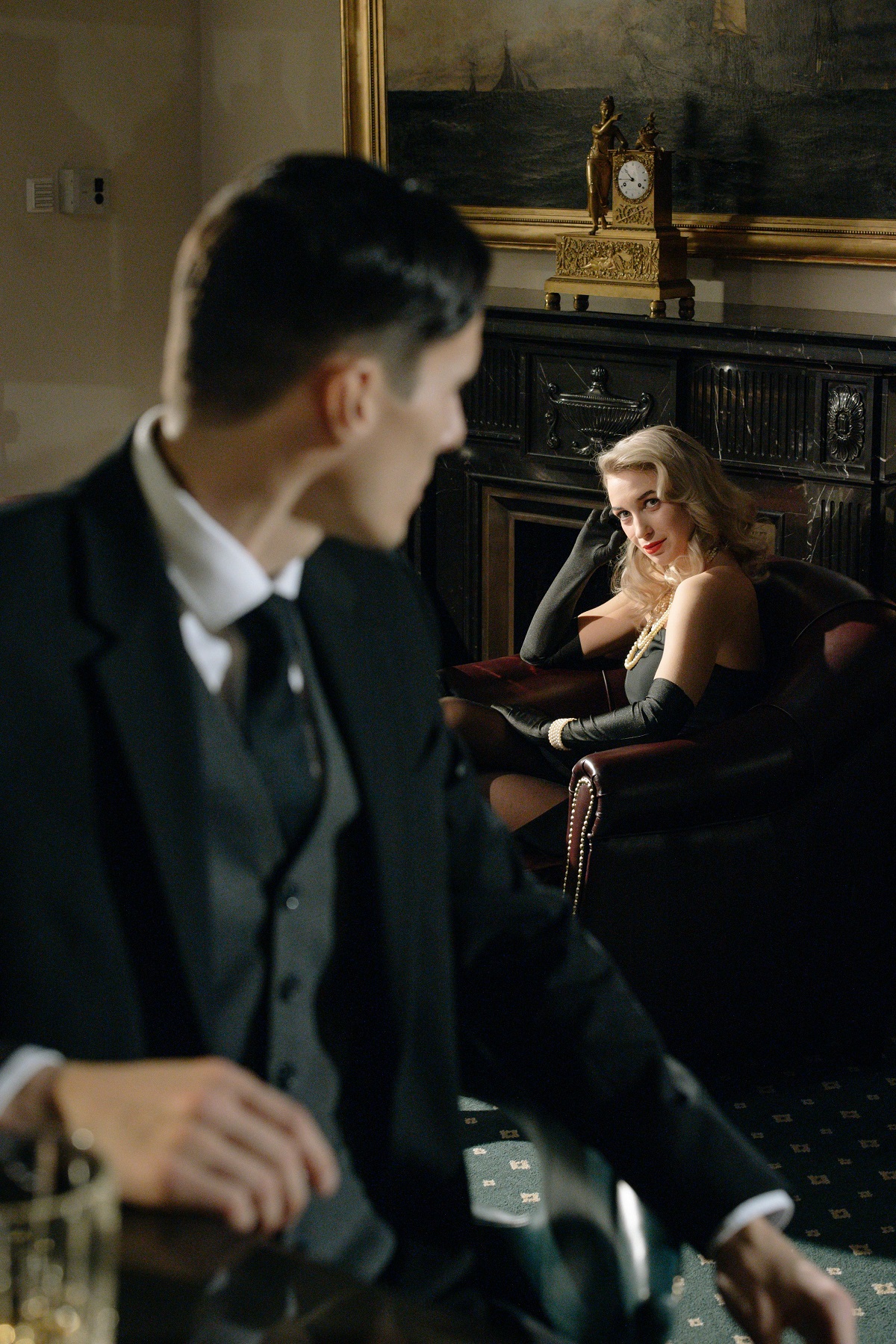
The star system, with its meticulous control over actors' careers and public images, defined Hollywood's Golden Age. Major studios like MGM signed actors to long-term contracts, shaping their public personas and images. This system allowed studios to mold actors into iconic stars, like Humphrey Bogart and Bette Davis, who became synonymous with the era. By carefully managing their stars, studios ensured audiences were consistently drawn to theaters.
We saw studios exert immense influence over:
Actors under the star system had little control over their careers. They were typecast into roles that matched their crafted images, which sometimes limited their artistic freedom. However, this approach was highly effective in creating enduring stars.
The star system contributed significantly to the success of Hollywood films during the Golden Age, as audiences flocked to see their favorite actors in new releases. This symbiotic relationship between stars and studios was a cornerstone of the era's cinematic legacy.
Several key factors led to the decline of Hollywood's Golden Age, shifting the landscape of the film industry forever. One of the most significant changes came with the rise of television in the late 1940s. As more households acquired TV sets, audiences began to stay home, leading to declining box office revenues for theaters.
Economic challenges also played an essential role. Rising production costs made it increasingly difficult for studios to sustain large budgets, leading to financial strain. The United States v. Paramount Pictures case in 1948 resulted in the Paramount Decrees, which mandated the dismantling of the studio system. Studios were forced to divest their theater chains, ending their vertical integration and control over the industry.
The enforcement of the Hays Code in 1934, which strictly regulated film content, also contributed to the decline. It limited creative expression, which eventually became out of sync with changing audience tastes and societal shifts towards more complex and realistic narratives. These evolving preferences made the formulaic approaches of the Golden Age less appealing.
Together, these factors—economic challenges, the rise of television, the Paramount Decrees, and shifting societal norms—signaled the end of Hollywood's Golden Age, ushering in a new era for cinema.
Despite the decline of Hollywood's Golden Age, its innovations and storytelling techniques continue to shape modern cinema profoundly. The era's pioneering efforts in filmmaking techniques like Technicolor, sound synchronization, and studio lighting have left an indelible mark on how stories are conveyed on screen today. These innovations not only elevated cinema as an art form but also set new audience expectations and industry conventions that still resonate.
The studio system and star system from that time laid the groundwork for how we perceive and engage with celebrities and film productions. Some of the most iconic films from the Golden Age have become touchstones for contemporary filmmakers, offering enduring lessons in storytelling methods and genre films. These genre films, whether musicals, westerns, film noir, or dramas, continue to influence filmmakers and captivate audiences worldwide.
We see the Golden Age of Hollywood's impact in modern filmmaking through innovative techniques, iconic stars, and technological advancements. Major studios led the way, and despite its decline, the era's legacy continues to shape today's cinema.
We're talking about the Golden Age of Hollywood, a period in the 1920s and 1930s when major studios like MGM and Warner Bros. dominated, introducing sound, Technicolor, and new storytelling techniques that transformed filmmaking forever.
We can't ignore the dark side of Hollywood's Golden Age. Studios exploited actors, scandals, and cover-ups were rampant, substance abuse was widespread, and power was often abused, leading to mental health struggles and personal crises among stars.
The Golden Age of Hollywood refers to the late 1910s to early 1960s when major studios dominated, and technological innovations like sound and Technicolor revolutionized films. We saw legendary stars and defining movies that shaped modern cinema.
As we reflect on Hollywood's Golden Age, we can't help but marvel at the rich cinematic legacy it left behind.
From groundbreaking technological advancements to the unforgettable stars who graced the silver screen, this era set the foundation for modern filmmaking.
Though it eventually declined, its influence is still felt today, inspiring filmmakers and audiences alike.
Let's cherish these timeless classics and continue to celebrate the magic of cinema that began in Hollywood's Golden Age.