

As we look to 2024, fashion influencer marketing is set to embrace the usage of AI influencers and smaller-scale nano and micro-influencers. We're seeing brands opting for long-term partnerships to ensure consistent brand messaging and leveraging authenticity through genuine content. AI enhances campaign efficiency and content creation, while virtual influencers offer unique engagement opportunities. TikTok remains pivotal with its diverse audience, including the rise of "granfluencers" reaching affluent Gen Xers. Additionally, social commerce is booming, with platforms like TikTok Shop revolutionizing e-commerce. If you're keen to stay ahead in influencer marketing, the evolving trends won't disappoint.
Fashion influencer marketing is a strategy where brands collaborate with social media personalities to promote their products. By leveraging social media influencers, we can create authentic endorsements and genuine opinions that resonate deeply with our target audience. These influencers, trusted for their taste and fashion sense, help us form brand partnerships that feel natural and engaging.
Through various types of content like reviews, fit checks, and styling tips, influencers showcase our products in a way that's both informative and relatable. They're not just promoting; they're sharing their personal experiences and preferences, which helps build authentic connections with their followers. This authenticity is key. When influencers genuinely like our products, their endorsements come across as trustworthy and sincere.
Moreover, influencer marketing excels at expanding brand awareness. These partnerships allow us to tap into an influencer's established audience, spreading the word about our brand far and wide. This method doesn't just increase visibility; it drives consumer trust, as audiences are more likely to value an influencer's opinion over traditional advertisements.
Let's talk about why influencer marketing is so effective.
We trust influencers because they seem authentic and relatable, which is why 61% of us are drawn to their personalities.
This trust helps brands expand their awareness far beyond traditional advertising, making influencer marketing a powerful tool in our arsenal.
One can't underestimate the significance of trust and authenticity in influencer marketing. For Gen Z, trust is a cornerstone, with 33% of this demographic making purchases based on influencer recommendations. This highlights the crucial role authenticity plays. When influencers share genuine content, their credibility shines through, making their endorsements far more effective.
Interestingly, 80% of influencer marketers prefer collaborating with smaller creators. Why? Because these creators often produce more genuine content, which resonates deeply with their followers. It's this relatability that draws in audiences, making them more likely to engage and trust the influencer's recommendations.
Moreover, influencers who maintain transparency in their sponsored content build stronger trust with their audience. Adhering to disclosure guidelines isn't just a legal necessity; it also helps mitigate any negative perceptions that could arise from hidden sponsorships.
Influencer marketing has revolutionized the way brands expand their awareness in the fashion industry. By leveraging the authenticity and authority of influencers' opinions, brands can effectively connect with audiences and enhance their visibility. With 33% of Gen Zers making purchases based on influencer recommendations, it's clear that influencer marketing plays an essential role in expanding brand awareness.
Audiences trust influencers' opinions, actively seeking their advice on fashion choices. This trust translates into a powerful tool for increasing brand awareness. When influencers share their genuine experiences with a brand, it creates a personal and human connection with their followers. This connection not only boosts visibility but also fosters brand recognition.
Consider these points on how influencer marketing contributes to brand awareness expansion:
As we look ahead to 2024, the influencer marketing landscape is set to evolve in exciting ways. The industry is projected to hit $24 billion, highlighting a continuous upward trend.
One of the most notable influencer marketing trends is the growing prominence of nano and micro-influencers. With 80% of marketers collaborating with smaller creators, we can expect niche marketing to become even more impactful. These influencers bring authenticity, which is essential for higher engagement rates.
Another key trend is the rise of AI influencers. Over half of marketers (54.8%) are favoring AI to enhance efficiency in their campaigns. These virtual personalities can be tailored to fit brand narratives perfectly, providing a level of consistency and innovation that's difficult to match.
Moreover, there's a significant shift towards long-term influencer partnerships. Brands are realizing the value of maintaining brand consistency and building deeper relationships with influencers. These long-term collaborations not only foster trust but also guarantee more impactful campaigns that resonate with audiences over time.
In essence, as we embrace these trends, we should focus on authenticity, innovative technology, and lasting partnerships to drive success in 2024.
Building on the emerging trends in influencer marketing for 2024, let's explore how top brands have already harnessed these strategies to achieve remarkable success. By focusing on engagement and authenticity, these campaigns have set a high bar for the industry.
Gucci's TikTok filter for virtual try-ons of eyewear is a prime example. This campaign not only saw significant engagement but also boosted brand visibility by allowing users to interact with products in a fun and innovative way.
Similarly, BOSS's collaboration with a TikTok creator showcased their fashion in unique settings, resonating with a wider audience and tapping into viral trends.
Brands that leverage viral trends and relatable content in their influencer marketing campaigns often see increased success. Here are a few key elements these successful campaigns share:
How can brands effectively navigate the dynamic world of influencer marketing?
First, we need to collaborate with influencers whose audience aligns with our brand. This alignment maximizes engagement and conversion rates, ensuring our message reaches those who are most likely to be interested. It's not just about numbers; it's about the right numbers.
Next, let's focus on creating authentic and engaging content. The content should resonate with the influencer's followers for a genuine connection. When the audience feels a real connection, they're more likely to trust and engage with our brand.
Utilizing various social media platforms is essential for reaching a diverse audience and amplifying brand visibility. Each platform has its unique strengths, so we should leverage them to broaden our reach.
Staying relevant means monitoring current trends and adapting our influencer marketing strategies accordingly. The digital landscape is always evolving, and our tactics should evolve with it to remain impactful.
Artificial intelligence is revolutionizing influencer marketing, bringing unprecedented precision and creativity to the industry. We're seeing a massive shift as AI tools streamline data analysis and content creation, making influencer marketing campaigns more effective and engaging. In fact, 76% of marketing agencies and 52% of influencers are already utilizing AI for these purposes.
Virtual influencers are another exciting development. These AI-generated personas are becoming popular alternatives for brands, offering unique ways to engage with audiences. AI plays a pivotal role in their development and the interactions they foster, making them a valuable asset in our marketing toolkit.
Additionally, platforms like YouTube and TikTok have introduced AI tools designed to simplify creative tasks. These tools enable us to enhance our influencer marketing campaigns with greater efficiency and innovation.
Consider the following benefits of AI in influencer marketing:
Virtual Influencers:
- These digital personas offer fresh, engaging ways to connect with audiences.
Campaign Performance:
- AI tools improve the precision and effectiveness of our marketing efforts.
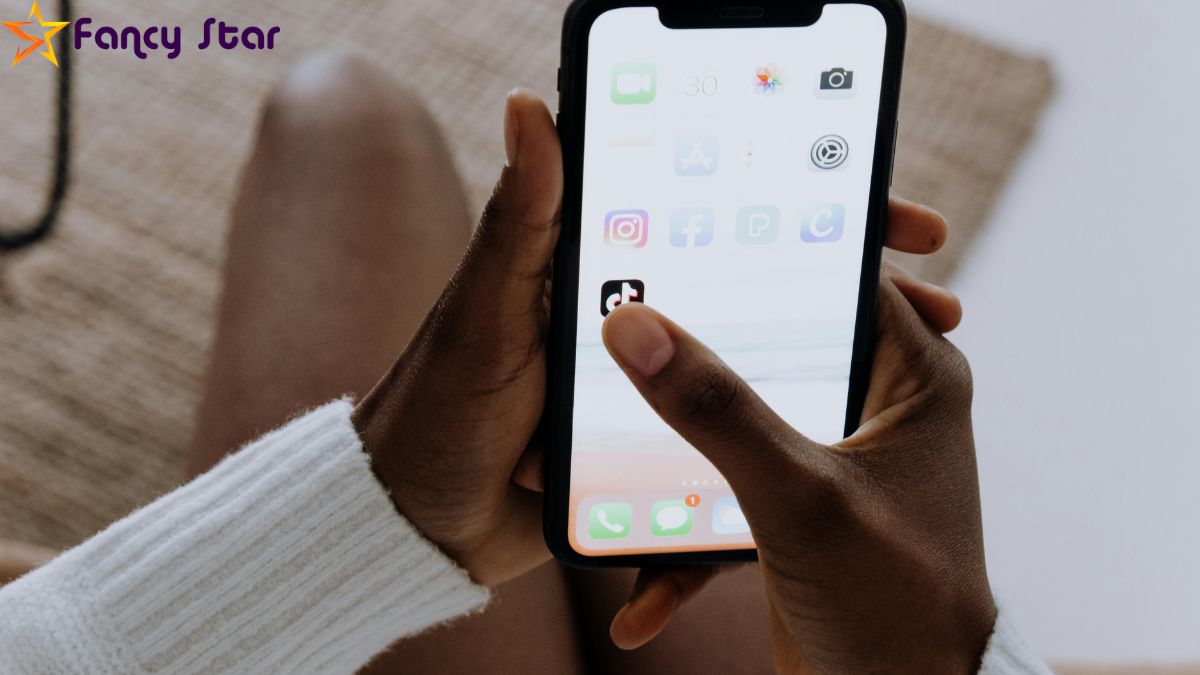
Let's explore how TikTok's diverse audience can transform our marketing strategies.
By targeting older generations and leveraging granfluencers, we can tap into an underutilized market segment.
Carnival Cruise Lines' success shows us the potential for expansive outreach on this versatile platform.
As older generations increasingly join TikTok, the platform's audience is expanding beyond its initial young demographic. This shift presents a compelling opportunity for brands to tap into an underutilized market segment. Despite the growing presence of older generations, only 5% of advertising resources on TikTok target affluent Gen Xers. This leaves a vast, untapped market ripe for innovative marketing strategies.
Granfluencers, or older influencers, are gaining traction on TikTok and Instagram. They're proving that the platform's appeal spans all age groups. With their authentic and relatable content, granfluencers can help brands connect with these older demographics in meaningful ways.
We can no longer ignore the potential of TikTok's diverse audience. By leveraging the influence of granfluencers, brands can effectively tap into this growing demographic and create impactful, targeted campaigns.
Embracing the rise of granfluencers, we can effectively broaden our marketing reach on TikTok by leveraging their unique influence. Older generations are increasingly joining TikTok, yet only 5% of advertising resources are targeting affluent Gen Xers on the platform. This gap presents a golden opportunity for us to tap into a relatively untouched market.
Granfluencers—older influencers making waves on TikTok and Instagram—offer authenticity, relatability, and high engagement, which are invaluable in fashion influencer marketing. By partnering with granfluencers, we can create campaigns that resonate with a diverse audience, particularly those who feel underserved by mainstream influencers.
Carnival Cruise Lines has already demonstrated the effectiveness of this strategy, successfully collaborating with granfluencers to enhance their brand reach and engagement.
TikTok's diverse audience allows us to showcase fashion in ways that appeal to various age groups. Granfluencers bring a fresh perspective that can humanize our brand and create genuine connections with followers. By integrating granfluencers into our marketing strategies, we not only diversify our outreach but also build trust and loyalty among older demographics, which are often more affluent and brand-loyal. Let's seize this opportunity to redefine our approach to fashion influencer marketing on TikTok.
Granfluencers have shown us the untapped potential within TikTok's diverse audience, especially among older generations. With only 5% of advertising resources targeting affluent Gen Xers, there's a significant opportunity for brands to expand their reach. By collaborating with influencers who resonate with this demographic, we can enhance brand engagement and diversify our content formats.
To effectively expand our outreach strategies on TikTok, we should consider the following:
The rapid rise of social commerce is changing how we shop, blending the worlds of social media and e-commerce into a seamless, interactive experience. Platforms like TikTok Shop, launched in 2023, are revolutionizing the marketplace, especially for smaller businesses. These businesses are gaining increased visibility and sales opportunities, transforming how we discover and buy products.
Live shopping is another game-changer in social commerce. This interactive way of shopping lets consumers engage with products in real-time, making the experience more personal and immediate. Retail giants like Walmart and Amazon are already leveraging live shopping features, collaborating with influencers to boost their sales.
By watching influencers use and recommend products during a live stream, customers feel more confident in their purchasing decisions.
Brands are also strategically forming influencer partnerships to tap into this trend. For instance, authors like Keila Shaheen have seen incredible success, selling 425,000 copies of self-help journals through TikTok Shop. By partnering with influencers, brands can reach a broader audience and create a more engaging shopping experience.
In 2024, we'll likely see even more innovative uses of social commerce as brands and influencers continue to collaborate closely.
In 2024, we'll see influencer marketing grow with a focus on long-term partnerships, performance-based deals, and authenticity. AI influencers and live shopping will redefine strategies, ensuring brands connect deeply and transparently with their audience.
To become a fashion influencer in 2024, we should create high-quality, engaging content, use platforms like Instagram and TikTok, collaborate with brands, engage with our audience, and stay updated on fashion trends by attending industry events.
We see the future of influencer marketing driven by AI, authenticity, and long-term partnerships. Platforms like TikTok and LinkedIn will dominate, ensuring consistent messaging and high ROI. Let's embrace these trends to stay ahead.
The 3 R's of influencer marketing are Reach, Relevance, and Resonance. We need to ponder an influencer's audience size, alignment with our brand, and connection with followers. Balancing these elements guarantees our campaign's success.
In 2024, fashion influencer marketing will continue to evolve with emerging trends and technologies. We've examined its effectiveness, shared successful campaigns, and provided tips for brands to thrive. By leveraging AI, engaging TikTok's diverse audience, and tapping into the growth of social commerce, we can stay ahead of the curve. Let's embrace these strategies to create impactful, authentic connections with our audience and drive our brand's success in the ever-changing fashion landscape.