


We've seen K-pop stars redefine the global music scene with their genre-blending hits and engaging performances. Their use of social media platforms like Twitter and TikTok has created unprecedented fan engagement and viral challenges that resonate worldwide. Economically, K-pop has greatly boosted South Korea's GDP and spurred tourism. Fans are integral, actively advocating for artists and causes. Beyond music, these stars set global fashion and beauty trends while promoting Korean culture and language. Multilingual lyrics enhance accessibility, fostering an inclusive global fan base. This glimpse only scratches the surface of their immense cultural impact and enduring legacy.

The evolution of K-pop began in the early 1990s when Western musical influences merged with Korean elements to create a fresh and unique genre. Pioneering groups like Seo Taiji and Boys broke new ground by blending Western styles with Korean lyrics and aesthetics. Their innovative approach laid the foundation for what would become a dynamic and influential music genre.
As the K-Pop industry took shape, agencies like SM Entertainment emerged, playing an essential role in talent training and production. They developed the concept of "idol groups," meticulously crafting performers who could sing, dance, and connect with fans on a personal level. This approach not only defined the structure of the K-Pop industry but also set the stage for its global rise.
The global rise of K-Pop wasn't accidental; it was driven by strategic marketing, international collaborations, and the effective use of digital platforms. These elements helped K-Pop reach audiences far beyond Korea, making it a global phenomenon. K-pop's unique music continues to reflect Korean culture, addressing societal issues and promoting inclusivity. Through this blend of artistry and strategy, K-Pop has solidified its place on the global stage.
Let's explore how K-pop stars harness social media to engage fans through viral challenges and global marketing campaigns. With platforms like Twitter, Instagram, and TikTok, they connect with millions, creating a powerful online presence. This interaction not only amplifies their music but also fosters a dedicated international fanbase.
K-pop stars have mastered the art of viral fan engagement through social media, creating an unparalleled global cultural phenomenon. Leveraging platforms like Twitter and Instagram, these artists forge direct and personal connections with fans worldwide. This interaction is a key element in building a sense of community and belonging among K-pop fandoms.
One of the most impactful strategies is the use of viral challenges and trends, especially on TikTok. These challenges often start within dedicated K-pop fandoms and quickly spread, showcasing the genre's international scale and influence. This type of fan engagement not only keeps the existing fan base active but also attracts new followers, amplifying the stars' reach.
Agencies strategically harness social media for targeted marketing, ensuring that their campaigns resonate with fans across different cultures and regions. This approach fosters a supportive fan base that feels personally connected to the artists.
The democratization of the music industry through social media has notably increased the visibility of K-pop stars, allowing them to leave a lasting cultural impact.
In essence, social media has transformed how we engage with K-pop, building a global community where fans feel a profound sense of belonging and support.
Harnessing the power of social media, K-Pop agencies have revolutionized global marketing campaigns to captivate a diverse audience. By leveraging social media platforms like Twitter, Instagram, and TikTok, these agencies ensure that K-Pop content reaches fans worldwide. The strategic use of viral challenges and trends significantly boosts the visibility of K-pop artists, making their music and performances go viral almost instantaneously.
Social media engagement is vital for international promotion. K-pop agencies actively interact with fans through comments, likes, and shares, fostering a sense of community and loyalty. These fan interactions amplify the artists' global reach, enabling even emerging K-Pop stars to gain international recognition quickly. Digital platforms democratize the music industry, allowing both established and new artists to connect with an ever-growing global fanbase.
Moreover, social media collaborations with influencers and other artists further extend K-Pop's reach. These partnerships introduce K-Pop to new audiences and create unique content that resonates across cultural boundaries.
The economic contributions of K-pop to South Korea are nothing short of remarkable. The industry significantly boosts South Korea's GDP, with estimates of around $5 billion in 2019. This isn't just about music sales; K-pop has a ripple effect across various sectors, driving economic growth and enhancing South Korea's economy.
One of the major impacts is on the tourism industry. Fans flock to South Korea from all over the world to experience K-Pop culture firsthand. They attend concerts, visit landmarks like the Gangnam district, and participate in immersive tours. This influx of tourists directly benefits the retail sector, as they spend on K-Pop merchandise, local cuisine, and accommodations, further contributing to South Korea's GDP.
Moreover, K-pop acts as a powerful vehicle for cultural exports, promoting South Korea on the global stage and earning international recognition. This global recognition not only enhances national pride but also encourages foreign investment and business opportunities.
As a result, South Korea has become a cultural powerhouse, with K-pop at the forefront of this transformation. The economic contributions of K-Pop are undeniable, fueling both domestic prosperity and global influence.
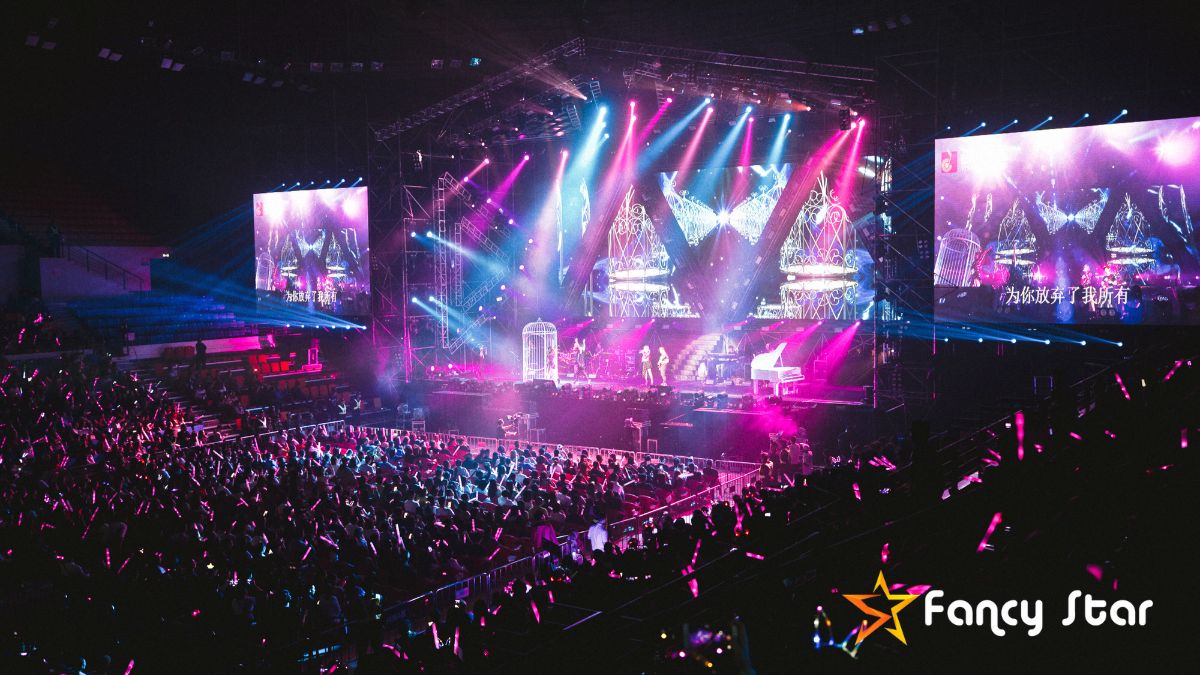
When we look at K-Pop fandom culture, it's impossible to ignore the strategic engagement of fans through social media. Platforms like Twitter and Instagram aren't just for updates; they're tools for fans to promote artists, raise funds, and even advocate for social causes.
This unity and dedication have a massive impact on the global success and influence of K-Pop stars.
Fan engagement strategies in K-pop are nothing short of groundbreaking. These strategies harness fans' passion and dedication, turning them into influential advocates for their favorite artists. Fans engage through social media, creating a strong online presence that promotes artists' music and activities globally. Through these platforms, fans organize promotional activities that greatly enhance an artist's visibility and reach.
One of the standout aspects of K-pop fandoms is their commitment to advocacy and fundraising. Fans often come together to support social causes, demonstrating their collective power. Whether it's raising funds for disaster relief or advocating for mental health awareness, K-pop fans show that their influence extends far beyond music. This level of engagement fosters a sense of community and shared purpose.
Online fan communities play a crucial role in spreading K-Pop's global influence. These communities not only support artists but also connect fans worldwide, allowing them to share their love for K-Pop. The collaborative efforts seen in these fandoms, from trending hashtags to organizing streaming parties, highlight their dedication to supporting artists. Through these innovative engagement strategies, K-pop fans continuously redefine what it means to be a devoted supporter.
Social media's role in K-pop fandom culture can't be exaggerated. We see its influence daily as K-Pop fandoms utilize platforms like Twitter, Instagram, and TikTok to foster fan engagement and artist promotion. Social media trends allow us to stay connected with our favorite artists and fellow fans, creating a vibrant and supportive community.
Through these platforms, fans contribute significantly to various initiatives. Here's how:
This sense of community support is crucial. Whether it's boosting a new single or rallying behind a social cause, our collective efforts on social media platforms amplify the cultural impact of K-Pop. By engaging in these activities, we ensure our voices are heard, and our favorite artists continue to thrive globally.
Few phenomena have left as impactful a mark on global fashion and beauty trends as K-Pop. K-Pop idols like BTS and Blackpink are true trendsetters, collaborating with top designers and influencing style trends worldwide. Their unique fashion sense and bold choices inspire fans to embrace diversity and self-expression in their personal style.
Korean beauty products promoted by these idols have skyrocketed in popularity, leading to the global embrace of K-Beauty trends and intricate skincare routines. This influence extends beyond mere cosmetics; it reflects a distinct cultural identity that resonates globally. As we see fans adopting these trends, it's clear that K-Pop's reach goes beyond music, impacting daily lives and personal choices.
South Korea has emerged as a significant fashion hub thanks to this influence. The country's beauty industry has seen immense growth, with K-Pop playing a vital role in driving both tourism and economic growth.
The blend of innovative beauty products and cutting-edge fashion has positioned South Korea at the forefront of global trends, making it a go-to destination for trendsetters and beauty enthusiasts alike. Through K-Pop, we witness a fusion of culture, style, and economic importance on a global stage.
As K-pop's global influence continues to expand, we can't ignore its significant impact on language learning. The surge in Korean language learners is remarkable. Between 2006 and 2016, college enrollment in Korean courses in the US increased by an impressive 95%. This trend isn't limited to the US; countries like Thailand, Vietnam, Japan, and China have also seen substantial growth in Korean language learning, largely due to K-pop's widespread reach.
We've observed that approximately 150 US colleges now offer Korean courses, including major and minor programs. This reflects the increasing demand for Korean language education. Additionally, the availability of online Korean language programs tailored for non-native speakers has further magnified K-pop's influence on language learning.
K-pop's global reach and appeal have played vital roles in popularizing Korean, making it a sought-after language for enthusiasts worldwide. To understand the depth of this impact, consider the following:
This expansion highlights K-pop's undeniable role in shaping global language education trends.

K-pop's impact on language learning is just one facet of its global influence. The genre's multilingual approach is a reflection of its dedication to reaching a diverse global audience. By incorporating multiple languages, especially English, K-pop artists ensure their music resonates far beyond South Korea. This multilingualism not only enhances the international appeal of K-pop but also facilitates cultural exchange across borders.
English plays a pivotal role in making K-pop accessible and relatable to fans worldwide. By blending English with Korean and other languages, artists create a transcultural experience that surpasses linguistic barriers. This phenomenon, known as translanguage, allows fans from diverse backgrounds to connect with the music on a deeper level.
Our admiration for K-pop's multilingualism lies in how it fosters a sense of global unity. The inclusion of various languages in songs highlights the genre's embrace of both local and global cultures, encouraging fans to explore and appreciate different languages and traditions.
As a result, K-pop's multilingual approach not only enhances its global popularity but also promotes a richer, more inclusive cultural dialogue among its international audience.
In the global music scene, K-pop has emerged as a powerful force, blending genres like pop, hip-hop, R&B, and rock to captivate audiences worldwide. This fusion showcases its versatility and broad appeal, making K-pop a unique phenomenon in international music. The impact of K-pop is undeniable, with artists like BTS leading the charge. They've broken barriers and achieved international fame, cementing K-pop's influence on a global scale.
We've seen K-pop groups diversify by including international singers who join through auditions held by Korean entertainment companies. This adds a rich layer of cross-cultural influences to the global music landscape. The debut of the first European K-pop girl group, KAACHI, in 2020 further demonstrates K-pop's expanding reach beyond Korea and Asia.
K-pop's global popularity continues to shape trends, styles, and collaborations in the music industry. Here are some key highlights of K-pop's global impact:
Korean culture has impacted us globally by sparking interest in language, fashion, beauty, and lifestyle trends. We've seen more people learning Korean and adopting elements of Korean culture, highlighting its widespread influence and growing significance worldwide.
We witnessed K-Pop's rise to global fame through savvy marketing, international collaborations, and digital platforms. These strategies, paired with innovative music and engaging social media content, captivated audiences worldwide, making K-Pop a cultural force.
We've seen K-Pop influence American culture through high-profile collaborations, award wins, and media appearances. It's changed the music scene, inspired dance challenges on TikTok, and brought new cultural connections. K-Pop's impact here is undeniable.
We love K-pop globally because it combines catchy tunes, amazing dance moves, and stunning visuals. Its multilingual songs and social media presence let us connect across cultures, while the artists' dedication creates a devoted worldwide fanbase.
In exploring K-pop's evolution, social media influence, and economic contributions, we've seen how this genre shapes global culture. Our fandom culture, fashion trends, and language learning efforts showcase K-pop's diverse impact. By embracing a multilingual approach, K-pop stars have seamlessly integrated into the global music scene. Together, we've witnessed a cultural phenomenon that's more than just music—it's a movement uniting fans worldwide. Let's continue celebrating and supporting this incredible legacy.