

Social media influencers and celebrities both hold significant sway over their audiences, but they differ in how they engage and influence. Influencers build trust through authentic, relatable content, while celebrities leverage their broad fame and massive reach. Platforms like Instagram amplify both groups, with influencers often offering high engagement and personal connections. Celebrities use their star power to seamlessly shift into influential social media personas. Brands collaborate with both for enhanced visibility and impact. Understanding the unique strengths and overlaps between influencers and celebrities can reveal more about their roles in today's marketing landscape. Curious about how they drive consumer choices?
Social media influencers are those individuals who, by building significant follower counts, can shape their audience's opinions and behaviors. These influencers maintain credibility within specific niches by engaging their followers through authentic content and recommendations. Unlike traditional celebrities, influencers build strong, trust-based relationships with their audience. Their followers often feel a personal connection because of the transparent and relatable way they present themselves.
On social media platforms like Instagram, influencers dominate the scene. They leverage their large followings for brand collaborations, making Instagram a hotspot for influencer marketing. We see various types of influencers based on their follower counts, such as nano, micro, macro, and celebrity influencers. Each category has its unique impact and engagement levels, but the core value remains the same: authentic engagement with followers.
Engagement is key for influencers. It's not just about having a massive number of followers; it's about interacting with them genuinely. This engagement differentiates influencers from traditional celebrities, who may have large followings but lack the same level of direct interaction.
In the diverse landscape of influencer marketing, we categorize influencers by their follower counts to tailor campaigns effectively and maximize engagement. By understanding these categories, brands can strategically choose the right type of influencer to reach their target audience and achieve their marketing goals.
As we explore the impact of celebrities in the digital age, it's evident that platforms like Instagram have become pivotal in amplifying their influence and reach. Celebrities such as Cristiano Ronaldo and Selena Gomez boast Instagram followings surpassing 400 million, highlighting their immense digital presence. This shift has seen traditional celebrities evolve into social media influencers, leveraging their fame to engage with millions of followers online.
In this digital age, stars like Kylie Jenner and Dwayne Johnson use Instagram not just to stay connected with fans but to promote brands and share personal insights. This direct engagement allows them to expand their reach far beyond traditional media outlets.
The lines between a traditional celebrity and a social media influencer have blurred, with figures like Beyoncé and Kim Kardashian effectively utilizing these platforms to maintain and grow their brands. Instagram and other social media platforms have propelled celebrities into the influencer domain, giving them tools to cultivate personal brands and engage directly with audiences.
This shift underscores the significant role social media plays in the digital age, reshaping how celebrities interact with the world and maintain their influence.
Platforms like Instagram, TikTok, YouTube, and Twitter have become the battlegrounds where influencers and celebrities vie for digital supremacy. These platforms aren't just social networks; they're powerful tools for building and showcasing social media presence.
Instagram boasts the highest number of top influencers, with Cristiano Ronaldo leading the pack with an astounding 634 million followers. Celebrities like Selena Gomez and Dwayne Johnson also dominate this platform, each having over 397 million followers. The visual nature of Instagram makes it a perfect arena for both influencers and celebrities to connect with their audiences.
TikTok has quickly risen in popularity thanks to influencers like Charli D'Amelio and Addison Rae, who've garnered millions of followers through their engaging and creative content. TikTok's algorithm favors viral content, making it easier for influencers to gain rapid visibility.
YouTube remains a stronghold for influencers like PewDiePie and MrBeast. PewDiePie has amassed over 110 million subscribers, demonstrating the platform's potential for long-term engagement.
Twitter is another key platform, with influencers like Elon Musk and Barack Obama commanding significant followings. Musk, for instance, has over 80 million followers, showcasing the platform's reach.
These platforms each offer unique advantages, allowing top influencers and celebrities to tailor their social media strategies accordingly.
Influencer marketing has revolutionized the way brands connect with consumers, delivering impressive returns on investment. Unlike traditional digital marketing, influencer marketing generates 11 times higher ROI. We've seen firsthand how influencer recommendations can sway consumer choices, with 49% of people relying on these endorsements for their purchase decisions. This shift in consumer behavior demonstrates the influential power of social media personalities.
Moreover, brands leveraging influencer marketing enjoy higher retention rates, sometimes up to 37%. This means customers aren't just buying once; they're coming back for more, creating a loyal customer base. It's no wonder that 89% of marketers believe influencer marketing ROI is comparable to or even better than other marketing channels. With such strong performance metrics, it's clear why many companies are shifting their focus and budgets toward influencer collaborations.
For every dollar spent on influencer marketing, brands see an average return of $5.20. This ROI is hard to ignore, especially when compared to other marketing strategies that often fall short. As we continue to navigate this digital age, it's evident that influencer marketing isn't just a trend; it's a powerful tool for building and maintaining brand relationships.
When we're budgeting for collaborations, we need to take into account factors like the influencer's follower count, engagement rate, and industry relevance.
Costs can vary widely, with smaller influencers often willing to accept free products while top-tier influencers may charge thousands per post.
It's important that we maintain transparency and disclose paid partnerships to comply with regulations and build trust.
Determining fair payment rates for social media influencers involves considering various factors like follower count, engagement rate, and content complexity.
We're aware that influencers with larger follower counts generally command higher payment rates. However, it's not just about the numbers; the engagement rate plays a crucial role too. Influencers with highly engaged followers often deliver better results, making their partnerships more valuable.
When budgeting for collaborations, we must also consider the complexity of the content creation. For instance, a simple Instagram post might cost less compared to a full-scale video production. Additionally, exclusivity and usage rights can significantly impact influencer payment. If we require exclusive content or want to use the content across multiple platforms, the rates will likely increase.
Here are key factors affecting influencer payment rates:
Budgeting for collaborations involves understanding the significant cost variations between different types of social media influencers. Influencer collaborations can range from affordable engagements with nano influencers to costly campaigns with celebrity influencers. The collaboration costs are heavily influenced by follower count, with nano influencers typically charging less than their macro or celebrity counterparts.
When planning our budget, we need to take into account that smaller influencers may accept free products in exchange for exposure, while larger influencers require substantial compensation. This means we must align our spending with the influencer's impact and relevance to our brand.
For instance, nano influencers can offer high engagement rates despite having fewer followers, making them cost-effective for niche markets.
Moreover, transparency in our agreements is essential. Clear contracts and open communication about expectations ensure both parties are on the same page, maintaining trust and adhering to advertising guidelines.
We should also factor in the expected return on investment, evaluating the influencer's ability to boost brand awareness and sales. By understanding these collaboration costs and strategically choosing influencers based on follower count and engagement, we can optimize our budget and achieve our marketing goals effectively.
Promoting full disclosure and transparency in our influencer collaborations is crucial for maintaining trust and complying with advertising regulations. As influencers, it's our duty to openly communicate paid partnerships to our audience, which aids in building credibility and trust. According to FTC guidelines, clearly labeling sponsored content is a must.
When we budget for collaborations, several factors impact the cost:
Transparency in paid content labeling isn't solely about following the rules; it's about showing respect to our audience. When we disclose paid partnerships, we're truthful about the nature of our endorsements. This practice helps uphold the integrity of our recommendations and guarantees that our followers can make well-informed decisions.
When we talk about authentic promotion, social media influencers excel by engaging genuinely with their followers and aligning brand values with their own.
They create organic content that resonates deeply, fostering trust and loyalty.
This authenticity not only drives higher engagement but also makes their recommendations more influential.
In today's digital landscape, influencers thrive by aligning their promotions with their personal brand to foster genuine connections with their audience. Authentic promotion isn't just a strategy; it's a necessity for influencer effectiveness. When influencers genuinely connect with their followers, they build trust and engagement, which are vital for successful promotions. Our focus on genuine engagement techniques highlights how influencers can leverage their personality and authenticity to captivate their audience.
To achieve authentic promotion, influencers can:
These techniques help strengthen the bond between influencers and their followers, enhancing both trust and loyalty. By avoiding rigid scripts, influencers allow their real personality to shine through, making their promotions feel natural and relatable. This approach not only boosts influencer effectiveness but also guarantees that their audience feels valued and understood.
Aligning brand values with an influencer's personal beliefs and lifestyle is crucial to authentic promotion and resonating with their audience. When influencers use products or services that truly align with their own values, the promotion feels natural and relatable. This kind of authenticity is essential because it builds trust with their followers. We often see that when influencers genuinely believe in what they're promoting, their audience is more likely to engage and convert.
Authentic promotion means that the influencer's endorsement doesn't come off as forced or insincere. Instead, it seamlessly integrates into their content, making it more impactful. This approach is pivotal in ensuring that their followers view the promotion as a genuine recommendation rather than a blatant advertisement.
Moving into organic content creation, influencers excel at making authentic promotional content that genuinely resonates with their followers. Their ability to weave authenticity into their posts sets them apart from traditional celebrities. When influencers share products or services, they do so in a way that aligns seamlessly with their personal brand and values. This approach fosters a sense of trust and relatability, which is pivotal for maintaining high engagement rates.
Let's break down why influencers are so effective at organic content creation:
Social media influencers often earn higher trust and wield more influence than traditional celebrities due to their authentic and relatable content. We've seen that influencers build strong connections with their followers, leading to higher engagement and brand loyalty. This trust is rooted in the authenticity and personal interactions that influencers offer, making them more relatable and credible within their specific communities.
By sharing their real-life experiences and engaging directly with their audience, influencers create a sense of intimacy that traditional celebrities often lack. This direct and personal impact translates to a higher influence on followers' purchasing decisions.
When an influencer recommends a product, their followers are more likely to trust that recommendation because it feels like advice from a friend rather than an impersonal advertisement.
Furthermore, the credibility of influencers is enhanced by their ability to connect on a personal level. Unlike celebrities who often have broad, passive audiences, influencers engage actively and meaningfully with their followers. They respond to comments, share personal stories, and show vulnerability, all of which contribute to building a trustworthy and influential presence online.
This authentic approach is what sets influencers apart in the domain of trust and influence.
Let's take a closer look at the leading global influencers dominating social media today.
On Instagram, stars like Cristiano Ronaldo and Selena Gomez boast hundreds of millions of followers, showcasing their immense reach.
Meanwhile, TikTok is seeing its own rising figures, with new influencers rapidly gaining traction.
Among today's leading global influencers, Cristiano Ronaldo stands out with an impressive 634 million Instagram followers, demonstrating unparalleled personal engagement and worldwide reach. His influence isn't just about numbers; it's about how he connects with his fans on a personal level. We're seeing a new era where influencers like Ronaldo set the bar high.
Let's not forget Selena Gomez, who boasts 427.5 million followers. She's known for her multi-talented persona and inspirational content. Selena engages her audience with authenticity, whether she's sharing music, acting projects, or personal stories.
Kylie Jenner commands a massive following of 398.9 million. Her influence extends beyond social media into the makeup industry, where she's made significant waves. Kylie's ability to leverage her platform for business success is truly remarkable.
Dwayne Johnson, with 397.8 million followers, captivates audiences with engaging content and a strong social media presence. Known for his motivational posts and behind-the-scenes looks into his life, he connects with fans in a genuine and relatable way.
These influencers are redefining what it means to have global reach and impact.
Who's leading the charts on Instagram with staggering follower counts? Let's explore!
Leading the pack is Cristiano Ronaldo, who has an incredible 634 million Instagram followers. Hot on his heels is Leo Messi, boasting 504.1 million followers. These sports legends dominate the social media landscape, but they're not alone.
Selena Gomez stands out among the music and entertainment stars with 427.5 million followers. Her genuine posts and relatable content keep fans engaged.
Then there's Kylie Jenner, a social media powerhouse with 398.9 million followers, showcasing her lifestyle, beauty empire, and personal moments. Following closely is Dwayne 'The Rock' Johnson, who's amassed 397.8 million followers through his mix of fitness inspiration, movie promotions, and personal insights.
Other notable figures include Ariana Grande, with 378.4 million followers, and Kim Kardashian, with 363.7 million, both captivating their audiences with a blend of glamour and personal touch.
Beyonce, Khloé Kardashian, Kendall Jenner, and Justin Bieber are also prominently featured on the list, each with followers ranging from 292.6 million to 319.6 million. These stars continue to shape the social media landscape, engaging millions daily.
As we shift our focus from Instagram's elite, TikTok's rising stars command our attention with their impressive follower counts. TikTok influencers have redefined the landscape of social media, captivating millions with their creativity and unique content. Leading the pack, Charli D'Amelio boasts over 133 million followers, setting the bar high for other rising influencer figures.
Addison Rae follows closely behind with a substantial 82 million followers, showcasing her diverse talents and relatable personality. Bella Poarch, known for her catchy lip-sync videos and expressive style, commands the attention of over 76 million followers. Then there's Zach King, whose mind-bending magic tricks have earned him more than 56 million followers.
To conclude, Spencer X, the beatboxing sensation, has a robust following of over 53 million.
Let's break it down:
These top influencers each bring something unique to the platform, driving engagement and setting trends. As TikTok continues to grow, we can expect to see these social media powerhouses further solidify their impact and expand their reach.
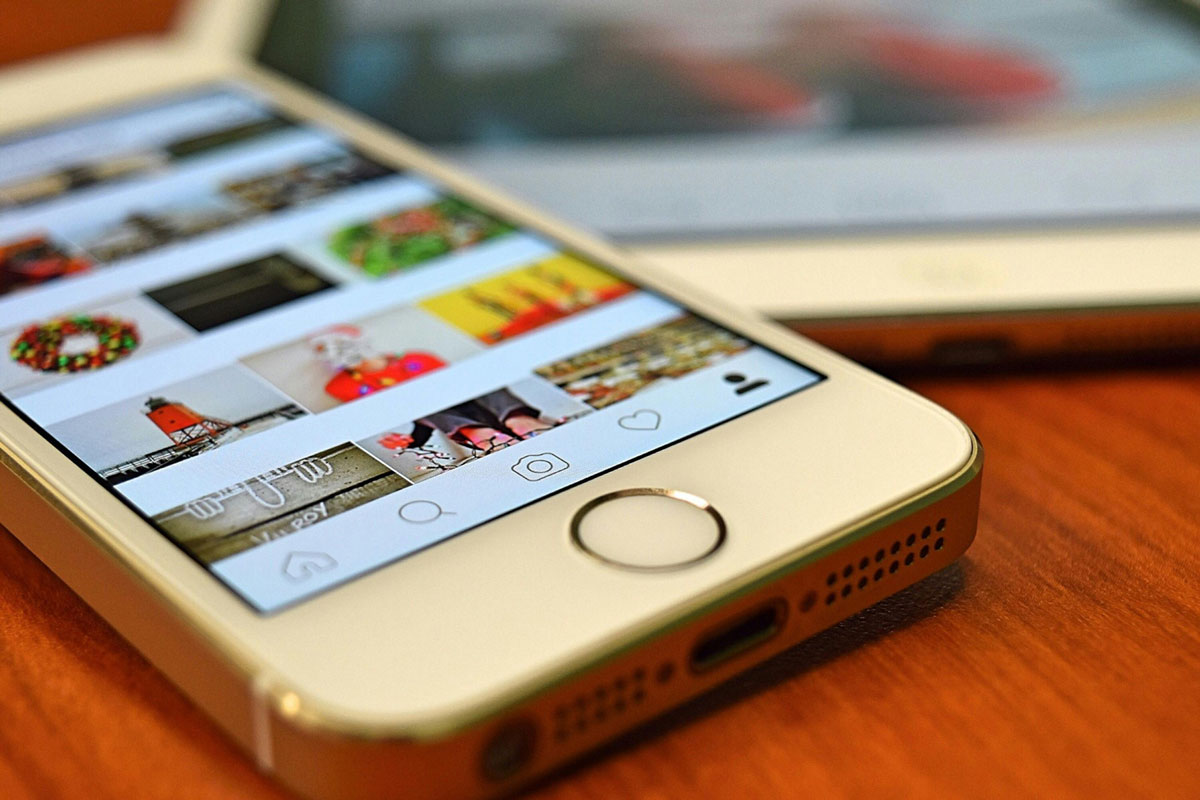
In the world of Instagram, celebrity influencers like Cristiano Ronaldo and Selena Gomez captivate millions with their engaging content and massive followings. Cristiano Ronaldo leads the pack with an astonishing 634 million followers, making him the most followed individual on the platform. His posts, ranging from personal life to professional achievements, resonate deeply with his audience.
Selena Gomez, boasting 427.5 million followers, showcases her versatile talents, from music to acting, and uses her platform for advocacy as well.
Kylie Jenner, a prominent figure in the beauty and fashion industry, commands 398.9 million followers. Her posts often highlight her business ventures, lifestyle, and family, making her a significant influence in the beauty world.
Dwayne Johnson, with 397.8 million followers, engages fans with his charismatic content and motivational posts. Known for his dynamic personality, he shares insights into his fitness routines, movie projects, and personal life.
Leo Messi, with 504.1 million followers, showcases his global appeal through posts about his football career, personal moments, and endorsements.
These celebrity influencers on Instagram not only entertain but also influence millions, leveraging their platforms to connect, inspire, and promote various causes and products.
Cristiano Ronaldo is the most famous influencer on social media. We can't ignore his 634 million Instagram followers and unmatched engagement. His influence spans beyond sports, making him the top figure in influencer marketing and brand collaborations.
We're discussing the most famous person on social media. Without a doubt, Cristiano Ronaldo holds that title with 634 million Instagram followers. His influence surpasses many, making him the undeniable leader in social media fame.
Ronaldo is the highest-paid social media influencer. We can see his massive 634 million Instagram followers, high engagement, and global appeal driving his earnings. His influence showcases social media's power and profitability in today's digital landscape.
We're most influenced by social media, particularly Millennials and Gen Z. These groups trust influencers' recommendations more than traditional celebrities', valuing authentic and relatable content that feels personal and trustworthy. This shapes their purchasing decisions to a large extent.
In today's digital landscape, we've seen the lines blur between traditional celebrities and social media influencers. Both wield significant power, but influencers often bring a level of authenticity and trust that's unique to their platforms.
Whether it's through Instagram, YouTube, or TikTok, these modern trendsetters drive impactful marketing and foster genuine connections.
As we navigate this evolving space, it's clear that both influencers and celebrities play essential roles in shaping our online experiences.