


Golden Age Hollywood backlots were special because they provided versatile, controlled environments where makers of classic films crafted iconic scenes. Studios like MGM, Paramount, Warner Brothers, and Universal created enchanting cityscapes, magical forests, and grand sets, showcasing incredible creativity and technical skill. With advancements in soundstages and color cinematography, filmmakers transported audiences to fantastical worlds. Iconic films like 'The Wizard of Oz' and 'Casablanca' were brought to life there, making backlots a cornerstone of cinematic magic. The legacy of these backlots continues to impact contemporary filmmaking, and exploring their story reveals even more about their lasting influence.
During the Golden Age of Hollywood, sprawling backlots played an essential role in the film industry's ability to create timeless classics. These vast studio lots, found at major studios across the United States, were equipped with sound stages, outdoor sets, props, and costumes. Backlots weren't just practical; they were the very heart of motion picture production during this iconic era.
The major studios, such as MGM, Paramount, Warner Brothers, and Walt Disney, utilized their backlots to bring stories to life. Films like 'The Wizard of Oz' and 'Casablanca' owe much of their magic to the creativity and attention to detail found on these lots. Backlots offered filmmakers versatile locations, enabling them to recreate small-town America one moment and transport audiences to elaborate fantasy worlds the next.
Our understanding of the Golden Age of Hollywood wouldn't be complete without recognizing the importance of these backlots. They provided the controlled environments needed to produce complex and visually stunning films.
The dedication and craftsmanship involved in their design were instrumental in creating the cinematic experiences that continue to captivate audiences. Through these backlots, Hollywood's Golden Age left an indelible mark on motion picture history.

Major studios like MGM, Paramount, Warner Brothers, and Universal converted their backlots into incredible, diverse sets that made movie magic possible. These backlot sets included everything from majestic mountains and dense forests to bustling small-town streets and exotic ships. By designing these sets with just three sides and a roof, studios could create the illusion of expansive worlds on screen, all within a few acres of studio land.
Warner Brothers in Burbank and MGM studios in Culver City were particularly famous for their elaborate backlots. At Warner Brothers, filmmakers could easily shift from a 19th-century street to a modern-day cityscape without leaving the lot. MGM studios boasted a similar range, with their backlot sets enabling swift transformations between vastly different settings, enhancing both flexibility and efficiency in production.
These major film studios leveraged their backlots to maintain controlled environments, essential for consistent lighting and weather conditions. This control meant fewer interruptions and more predictable schedules, essential elements for the fast-paced world of filmmaking.
The creativity and technical prowess displayed in these backlots played a crucial role in the success of Golden Age Hollywood, allowing filmmakers to craft diverse, immersive worlds that captivated audiences worldwide.
Technological innovations in sound and color cinematography revolutionized how Hollywood backlots were used, making film settings more diverse and realistic. With the advent of soundstages, studios could control every aspect of the audio environment, eliminating the unpredictability of outdoor noise. This allowed filmmakers to focus on performances and dialogue, ensuring crisp and clear sound quality in every scene.
Color cinematography brought a new dimension to backlot productions, enhancing the visual appeal of films. The rich, vibrant hues made the elaborate and detailed sets—like mountains, forests, ships, and historic streets—come to life in ways black-and-white films never could. These technological advancements meant that even the most fantastical settings looked believable on screen.
Outdoor sets also benefited from these innovations. With improved lighting and sound equipment, outdoor filming on backlots became more sophisticated. Filmmakers could create expansive, visually stunning scenes without the logistical challenges of location shooting. This efficiency allowed studios to produce a wide variety of films quickly and economically.
Through the creative use of minimal spaces and props, iconic films like 'The Wizard of Oz' and 'Ben-Hur' showcased just how transformative these technological advancements were for Golden Age Hollywood backlots.
The decline of Hollywood backlots can be traced to several factors, including escalating real estate prices and changing audience preferences for authentic locations. Post-World War II, soaring property taxes made maintaining vast studio backlots financially impractical.
Audiences began craving genuine settings, pushing filmmakers to prioritize location shooting over artificial sets. By the early 1970s, the shift towards filming on location accelerated the decline of traditional studio backlots. This shift was driven by four main factors:
Today, many traditional studio backlots are either gone or nearly gone, marking a significant shift in movie production.
As we embrace new technologies and evolving audience tastes, the iconic backlots of Golden Age Hollywood have become a nostalgic memory of a bygone era.
As we explore notable productions, we can't ignore the iconic film locations that set the stage for legendary movie stars and creative set designs.
MGM's backlot brought 'The Wizard of Oz' to life, while Warner Brothers' set hosted the unforgettable 'Casablanca.'
From Paramount's 'Sunset Boulevard' to Universal's 'Psycho,' these backlots have been home to some of Hollywood's most memorable moments.
While exploring the storied backlots of Golden Age Hollywood, we find ourselves walking through the legendary sets that brought iconic films like 'The Wizard of Oz,' 'Roman Holiday,' and 'Psycho' to life. These backlots were magical spaces where our favorite studios—MGM, Paramount, Warner Brothers, Universal Studios, and Columbia Pictures—crafted unforgettable cinematic worlds.
Each studio's backlot offered unique, iconic locations that have become ingrained in our cultural memory.
Gracefully gliding across the backlots of Golden Age Hollywood, movie stars like Greta Garbo, Fred Astaire, and Clark Gable brought legendary productions to life. These backlots were the stage for some of the most iconic films in cinema history. With each performance, these stars transformed simple studio lots into magical worlds that captivated audiences.
Who could forget Judy Garland's enchanting journey down the yellow brick road in 'The Wizard of Oz' or Gene Kelly's unforgettable dance in the rain? These performances became timeless classics, etched into our collective memory.
Vivien Leigh and Clark Gable's fiery chemistry in 'Gone with the Wind' and Humphrey Bogart's suave demeanor in 'Casablanca' showcased the extraordinary talent that graced these sets.
Backlots also served as the backdrop for Marilyn Monroe's comedic brilliance in 'Some Like It Hot' and Humphrey Bogart's intense presence in 'The Maltese Falcon.' Each film was a tribute to the incredible artistry and dedication of these movie stars, who brought depth and charisma to every scene.
Together, these performances turned the backlots of Golden Age Hollywood into places where dreams were made and legends were born, forever shaping the landscape of film.
In the Golden Age of Hollywood, creative set design transformed backlots into breathtakingly immersive worlds, essential to the iconic status of films like 'The Wizard of Oz' and 'Ben-Hur'. These backlots were more than just physical spaces; they were meticulously crafted environments that brought stories to life.
The set design on these films was nothing short of revolutionary, utilizing creative props and intricate details to craft visually stunning settings. For instance, MGM's backlots were famously detailed, allowing filmmakers to recreate:
These immersive settings were vital in making audiences believe in the worlds they were watching. Despite the limited physical space, set designers maximized every inch with creative props and innovative techniques.
This ingenuity made the films not just visually stunning but also deeply memorable. The dedication to detail and craftsmanship on these backlots played a significant role in the success and enduring legacy of Golden Age Hollywood productions.
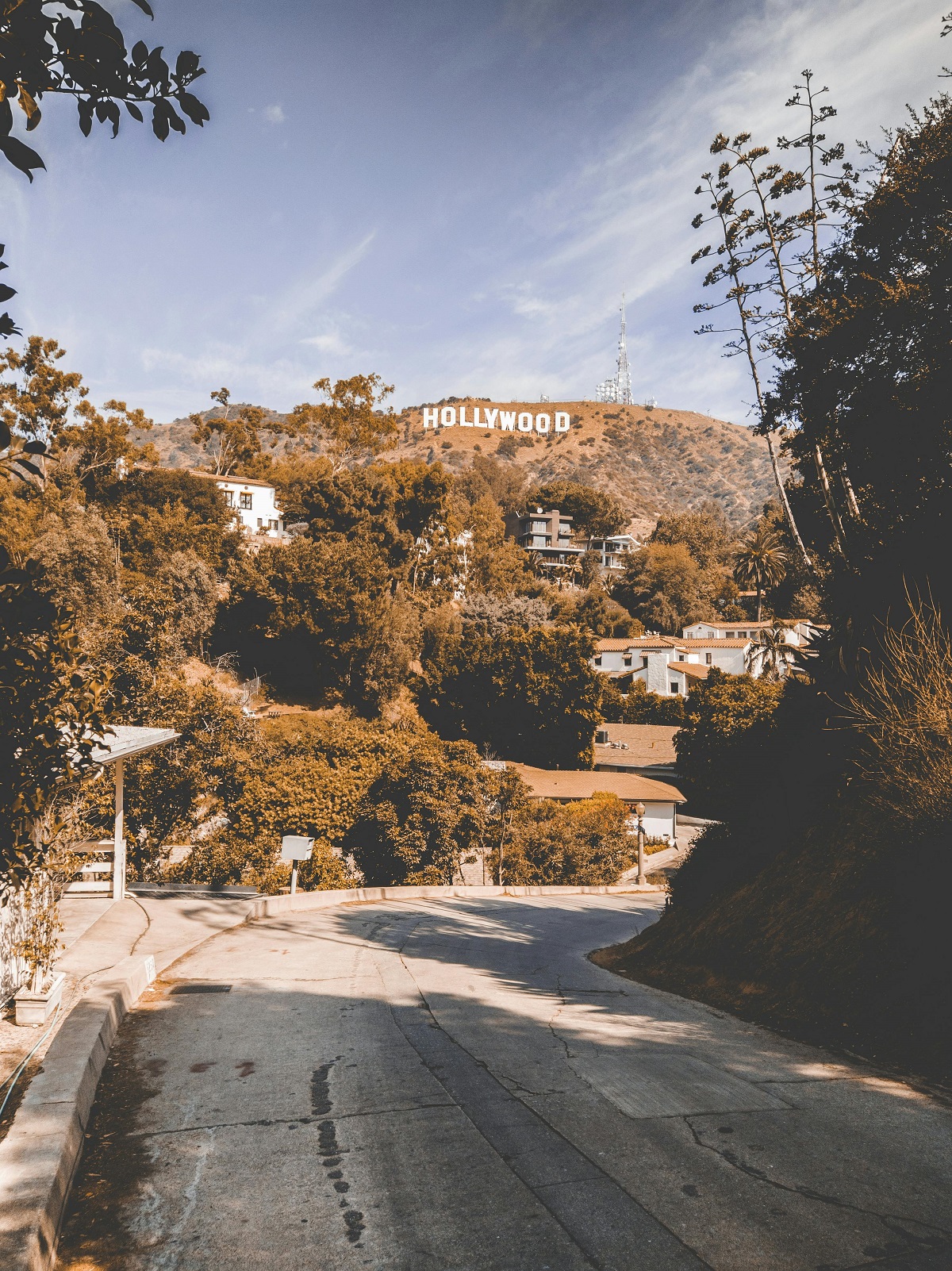
We've all been captivated by the timeless movie magic that Golden Age Hollywood backlots created. These iconic film locations and enduring cinematic techniques still influence today's filmmakers and storytellers.
Let's explore how these legendary spaces shaped our favorite movies and continue to inspire the industry.
Drawing from the innovative use of minimal spaces and props on Golden Age Hollywood backlots, modern filmmakers continue to harness these techniques to craft immersive cinematic experiences. During the Golden Age, studios like Warner Bros and United Artists in the United States revolutionized genre films by making the most of their backlots. These spaces allowed for the creation of diverse settings from bustling city streets to exotic locales without ever leaving the studio.
We've observed that filmmakers today still draw inspiration from these techniques. To understand their ongoing influence, consider the following:
Hollywood's backlots have given us some of the most iconic film locations, shaping the legacy and influence of classic cinema. Studios like Warner Brothers and MGM created versatile settings that could transform into the streets of New York, medieval castles, or Wild West towns. These backlots allowed filmmakers to craft realistic scenes without ever leaving the studio, providing a controlled environment for intricate visual storytelling.
The iconic film locations from these backlots aren't just backdrops; they've become synonymous with the golden era of Hollywood. Think of the bustling cityscapes or the timeless small-town charm that appeared in countless classics. These settings made it possible to tell diverse stories across various genres and time periods, cementing their place in cinematic history.
Warner and MGM's innovative use of backlots has left a lasting impact, inspiring modern set designs and production techniques. When we watch these classics today, we're reminded of the creativity and resourcefulness that defined that era. The legacy of these versatile settings continues to influence filmmakers, proving that the magic of Hollywood's backlots is very much alive in contemporary visual storytelling.
Golden Age Hollywood backlots have left an indelible mark on the film industry, creating a legacy of timeless movie magic that continues to inspire filmmakers today. These iconic backlots in the United States were the birthplace of legendary films like 'The Wizard of Oz' and 'Ben-Hur,' solidifying their place in Hollywood's storied history.
They didn't just craft movies; they sculpted dreams. Here's why their influence endures:
This timeless movie magic continues to resonate, reminding us of an era where creativity knew no bounds and Hollywood's Golden Age redefined the art of filmmaking.
We recognize the Golden Age of Hollywood as a pivotal era that revolutionized film-making. It introduced groundbreaking storytelling, star power, and technological advancements, establishing the foundations of modern cinema and creating timeless classics we still cherish today.
The Golden Age of the Hollywood star system was when studios controlled actors' careers, images, and personas. They crafted iconic stars like Marilyn Monroe and Cary Grant through strategic marketing, long-term contracts, and careful public management.
We enjoyed a golden age during the Depression because movies provided much-needed escapism and entertainment. Technological advancements in sound and color captivated audiences, and major studios produced iconic films that became primary sources of comfort and joy.
The Golden Age studios in Hollywood included MGM, Paramount, Warner Brothers, Universal, 20th Century Fox, Columbia, RKO, and United Artists. These studios were powerhouses of film production, each contributing uniquely to cinematic history.
We've seen how Golden Age Hollywood backlots played a pivotal role in creating iconic films and shaping the industry. From major studios' sprawling sets to groundbreaking technology, these backlots were the heart of movie magic.
Though their decline marked the end of an era, their influence endures in modern filmmaking techniques. As we look back, we can appreciate the creativity and innovation that made these backlots so special, leaving an indelible mark on cinematic history.