


We recognize Hollywood's Golden Age directors as icons due to their groundbreaking storytelling, pioneering techniques, and lasting influence on cinema. Directors like Alfred Hitchcock and Orson Welles redefined narrative structures, while John Ford and David Lean transported us to different eras with epic films. Filmmakers such as Frank Capra introduced innovative dialogue and pacing methods that set new standards. Their iconic movies, like "Citizen Kane" and "Gone With the Wind," showcase their unmatched vision. These directors pioneered techniques that continue to shape modern filmmaking, earning Oscars and industry respect. Their enduring impact continues to captivate us and shape cinema's future.
Blending aesthetics with commercial success, Golden Age directors like Alfred Hitchcock and Billy Wilder redefined visionary storytelling in cinema. Hitchcock often hailed as the 'Master of Suspense,' crafted narratives that kept us on the edge of our seats, combining psychological depth with visual innovation. His films like 'Psycho' and 'Vertigo' are evidence of his genius.
Billy Wilder, on the other hand, mastered the art of blending humor with drama. His works, such as 'Some Like It Hot' and 'Sunset Boulevard,' offered sharp wit and profound insights into human nature. These directors didn't just tell stories; they created experiences that lingered long after the credits rolled.
John Ford and David Lean also left an indelible mark with their epic storytelling. Ford's Westerns, like 'The Searchers,' captured the American spirit, while Lean's grand-scale productions, such as 'Lawrence of Arabia' transported us to distant lands and historical epochs.
Orson Welles, with his groundbreaking 'Citizen Kane,' showcased the power of innovative narrative structures. His influence is evident even today.
Together, these directors crafted compelling stories that resonated deeply with audiences, ensuring their place in cinema history.

Golden Age directors revolutionized filmmaking with innovative methods that redefined cinematic storytelling. Frank Capra, for instance, introduced game-changing approaches like overlapping dialogue and shortened scene durations to create a more dynamic and engaging narrative. These methods didn't just accelerate the pace; they added layers to the storytelling, making scenes feel more realistic and relatable.
Capra's craftsmanship and evolving directorial style were evident in films like 'American Madness,' where his innovative methods shone through. He understood the need for audience engagement and used unique storytelling styles to connect deeply with viewers. By doing so, he guaranteed that his films resonated emotionally, leaving a lasting impact.
The innovative methods pioneered by directors like Capra continue to influence modern filmmaking practices. Their approaches to pacing and dialogue have become standard tools in the industry, proving their timeless value.
We've seen how these early innovations have shaped the way stories are told on screen today, emphasizing the importance of craftsmanship in filmmaking. Through their groundbreaking methods, Golden Age directors set a high standard for storytelling that still inspires and engages audiences worldwide.
Building on their innovative techniques, directors of Hollywood's Golden Age crafted iconic films that continue to captivate audiences. Orson Welles' 'Citizen Kane' remains a staple in film studies, praised for its groundbreaking narrative and visual style.
John Huston's 'The Treasure of the Sierra Madre' explores greed and human nature, showcasing his mastery of storytelling. Billy Wilder's 'Double Indemnity' sets the bar for film noir with its sharp dialogue and intricate plot, while his 'Some Like It Hot' dazzles us with its perfect blend of comedy and romance.
Victor Fleming's 'Gone With the Wind' epitomizes grand storytelling, offering a sweeping saga of love and loss set against the backdrop of the American Civil War. These films aren't just movies; they're cultural landmarks that reflect the directors' unique visions and storytelling prowess.
Alfred Hitchcock's contributions, though not all from the same period, like 'Psycho' and 'Rear Window,' further exemplify the era's penchant for innovation.
Each of these films, from 'It's a Wonderful Life' by Frank Capra to John Ford's 'The Searchers,' has earned its place in cinematic history, elevating the directors to iconic status.
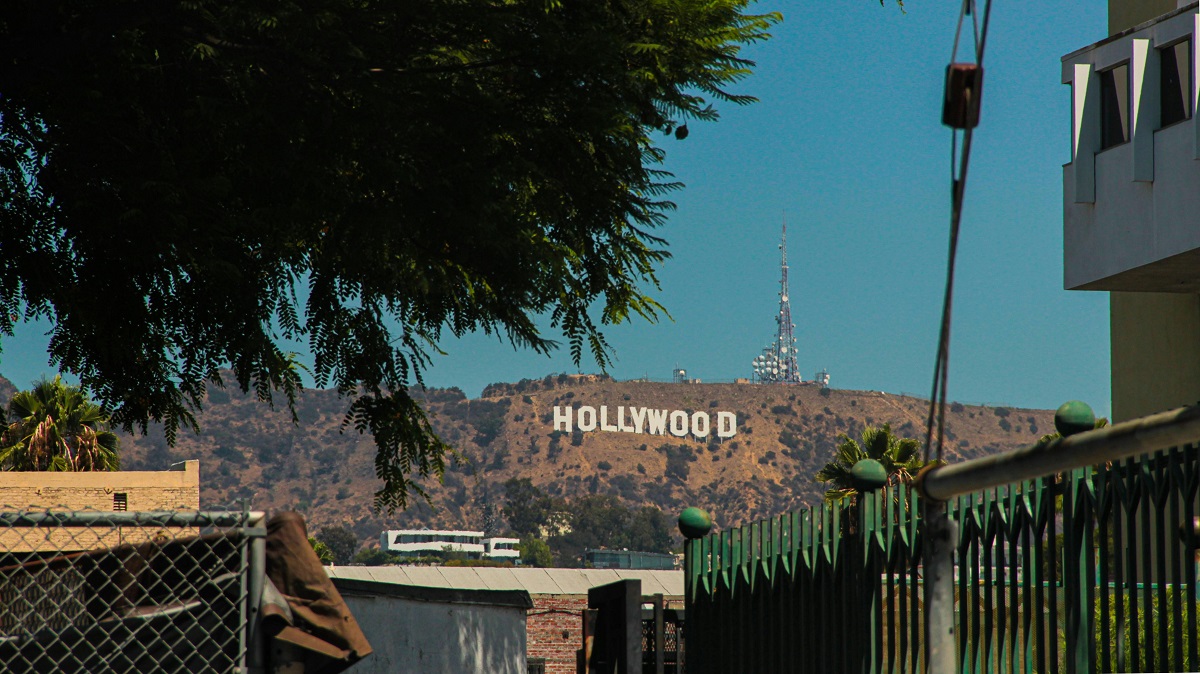
As we look at modern cinema, we can't ignore the innovative filmmaking techniques pioneered by Golden Age directors. Their enduring storytelling methods and advancements in visual effects still shape how today's filmmakers create their masterpieces.
Let's explore how these trailblazers continue to influence the industry.
Revolutionizing storytelling, Golden Age directors like Hitchcock and Welles introduced innovative techniques that continue to shape modern cinema. Their use of unique camera angles, such as Hitchcock's famous 'Vertigo shot,' and Welles' groundbreaking deep focus in 'Citizen Kane,' set new standards for visual storytelling.
These iconic directors weren't just about visual flair; they mastered pacing and overlapping dialogue to create more dynamic and engaging narratives.
David Lean and Howard Hawks added their flair with techniques that still influence today's filmmakers. Lean's epic landscapes and meticulous pacing in films like 'Lawrence of Arabia' and Hawks' quick, overlapping dialogue in 'His Girl Friday' showcased how innovative filmmaking techniques could enhance storytelling.
John Ford's iconic westerns and John Huston's distinct narrative style left a lasting impact, demonstrating the power of genre and personal vision.
Billy Wilder and Frank Capra brought craftsmanship and emotional depth to their films, setting a high bar for storytelling. Their techniques are emulated and revered in contemporary cinema. From the meticulous framing to the narrative pacing, the legacy of these Golden Age directors is evident.
Their groundbreaking innovations continue to inspire and shape the evolution of modern cinema.
Though decades have passed, the storytelling methods pioneered by Golden Age directors like Hitchcock and Ford still profoundly shape modern cinema. These visionaries mastered the art of pacing, ensuring each scene carried the narrative forward and kept audiences hooked.
Alfred Hitchcock's precise control over suspense in films like *Psycho* continues to inspire directors today, teaching us the power of timing in building tension.
Character development also saw a revolution under these directors. John Ford's *The Searchers* gave us complex, multifaceted characters that audiences could connect with on a deeper level. This focus on character depth remains a cornerstone of modern filmmaking, reminding us that compelling characters drive engaging stories.
Visual storytelling was another area where these directors excelled. Orson Welles and David Lean used grand, sweeping visuals to convey emotion and scale, as seen in *Citizen Kane* and *Lawrence of Arabia*. Their techniques showed that visuals could tell a story as powerfully as dialogue, a lesson modern directors continually apply.
Ultimately, the enduring storytelling methods of these Golden Age directors have left an indelible mark on cinema. Their innovative approaches to character development, pacing, and visual storytelling continue to captivate and engage audiences worldwide.
Golden Age directors' innovations in visual effects laid the groundwork for the stunning CGI and special effects we see in today's films. Their pioneering spirit in VFX innovations and filmmaking techniques transformed the cinematic landscape, setting a high bar for creativity and technical excellence.
Let's look at three key contributions from these visionary directors:
These VFX innovations didn't just improve the visual appeal of films; they also expanded the creative toolbox for filmmakers. By pushing the boundaries of what was technically possible, Golden Age directors left an indelible mark on the visual effects evolution, influencing how we create and enjoy movies today.

As we explore the unique styles of Hollywood's Golden Age directors, we can't ignore their distinct visual aesthetics and innovative narrative techniques.
Hitchcock's suspenseful storytelling, Lean's grand epics, and Welles' boundary-pushing work all showcase their mastery.
Their unique approaches not only defined their films but also left a lasting impact on the industry.
In exploring the unique visual aesthetics of Hollywood's Golden Age directors, we uncover how their individual styles shaped the cinematic landscape. Each director brought a distinctive visual style that not only defined their films but also influenced the broader scope of cinema.
Orson Welles:
His groundbreaking use of deep focus in *Citizen Kane* allowed for multiple planes of action to be in sharp focus simultaneously. This technique, combined with unconventional camera angles, revolutionized visual storytelling and added depth to his narrative.
Howard Hawks:
Known for his films like *The Big Sleep*, Hawks emphasized naturalistic dialogue that flowed seamlessly with action sequences. His visual style was less about grandiosity and more about creating a believable, lived-in world where characters' interactions felt genuine and unforced.
John Ford:
With films such as *The Searchers*, Ford's visual mastery was evident in his use of sweeping landscapes. These expansive shots not only highlighted the beauty of the American West but also served as a backdrop for poignant character interactions, enhancing the emotional weight of his stories.
Hollywood's Golden Age directors didn't just rely on visual flair; they revolutionized narrative techniques that forever changed the way stories were told on screen.
Alfred Hitchcock, for instance, became an iconic figure through his innovative use of suspense-building and visual storytelling. His ability to keep audiences on the edge of their seats was unparalleled, making each frame an essential part of the narrative.
Billy Wilder's unique approach blended wit, humor, and social commentary, setting him apart as a legendary director. His narratives were rich in character and substance, often providing sharp critiques of societal norms while keeping viewers thoroughly entertained.
John Ford mastered the art of storytelling through visual composition and character development. His films were a study in how to convey deep emotional and narrative arcs through carefully crafted scenes and powerful imagery.
Orson Welles brought groundbreaking techniques like deep focus, nonlinear storytelling, and creative camera angles to the forefront, establishing him as a pioneer in the field. His innovative methods challenged traditional storytelling conventions.

Golden Age directors like Alfred Hitchcock, Billy Wilder, and John Ford earned industry-wide recognition for their groundbreaking contributions to cinema. These visionaries were both directors and producers, and their iconic films like *Psycho*, *Some Like It Hot*, and *The Searchers* have left a lasting impact on Hollywood.
Their ability to innovate and captivate audiences set them apart, and the industry took notice in significant ways.
Here's how their industry recognition unfolded:
Their accolades and the respect they garnered within the industry underscore why these directors remain iconic.
The directors of Hollywood's Golden Age have left an indelible mark on cinema, with their innovative storytelling and groundbreaking techniques continuing to inspire filmmakers today. Iconic directors like David Lean, Orson Welles, and Howard Hawks are celebrated for their unique contributions to American cinema. Lean's grand-scale epics and Welles' pioneering filmmaking techniques laid the groundwork for modern cinematic storytelling.
Even though the Golden Age has ended, the legacy of directors such as Alfred Hitchcock, John Ford, and Billy Wilder remains deeply ingrained in the film industry. Hitchcock's mastery of suspense, Ford's westerns, and Wilder's sharp wit in screenwriting are benchmarks of cinematic excellence. These directors are revered by both audiences and critics for their unparalleled talent and craftsmanship.
Their lasting impact is evident not just in the enduring popularity of their films but also in how their techniques and storytelling methods continue to be studied and emulated. Filmmakers today draw inspiration from the innovative storytelling and visual styles that these Golden Age directors introduced. By shaping American cinema so profoundly, they've ensured that their influence will persist, making them truly iconic directors whose work transcends time.
We believe the Golden Age of Hollywood's significance lies in its timeless classics, pioneering techniques, and iconic stars. This era's innovations in storytelling and film production still influence modern cinema, leaving a lasting legacy in the industry.
We can't pinpoint a single icon of Hollywood's Golden Age since directors like Hitchcock, Wilder, Ford, Welles, and Lean all brought unique styles and innovations, making them collectively responsible for the era's enduring legacy.
The arrival of synchronized sound in the late 1920s marked Hollywood's Golden Age. We witnessed films shift from silent movies to 'talkies,' revolutionizing cinema and ushering in an era of unmatched creativity and innovation in filmmaking.
The 1970s was known as the golden age of film because we saw groundbreaking cinema, auteur-driven storytelling, and a focus on gritty realism. Iconic directors like Scorsese, Spielberg, and Coppola pushed creative boundaries and redefined filmmaking.
In reflecting on Hollywood's Golden Age, we recognize the visionary storytelling, innovative techniques, and iconic films crafted by these legendary directors. Their unique styles and profound influence on modern cinema have left an indelible mark.
Industry recognition solidified their status, but it's their lasting legacy that continues to inspire filmmakers today. We've seen how their creativity and passion have shaped the film industry, reminding us why they remain timeless icons.