


We remember 2000s pop videos for their groundbreaking visuals, unforgettable choreography, and bold artistic statements that reshaped pop culture. From Beyoncé's intricate dance moves in "Single Ladies" to the theatrical flair of Lady Gaga's "Bad Romance," these videos set new creative standards. Collaborations like Drake and Eminem in "Forever" brought genre-defining performances to the forefront. Directors like Spike Jonze pushed boundaries with provocative and innovative techniques. Iconic scenes, bold fashion, and emotional storytelling created cultural moments that still resonate. To uncover all the reasons these videos remain etched in our minds, let's dive deeper into their lasting impact.
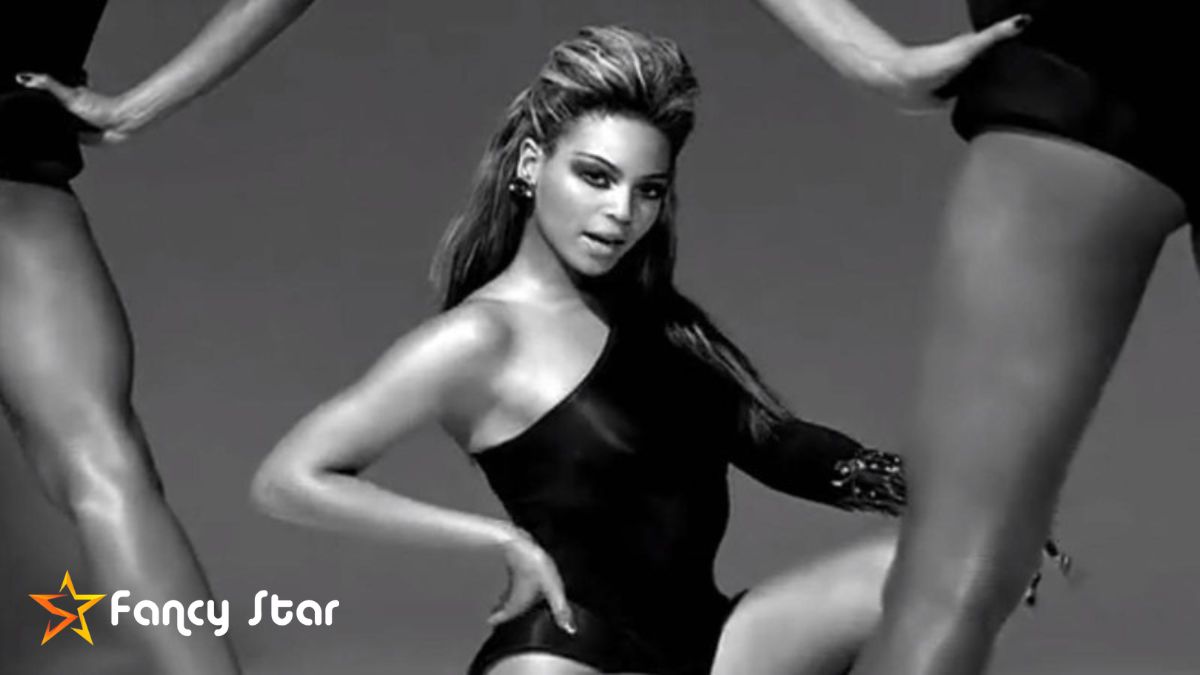
When we talk about iconic music videos from the 2000s, a few unforgettable visuals instantly come to mind. Beyoncé's "Single Ladies (Put A Ring On It)" revolutionized the music video landscape with its minimalist black-and-white aesthetic and intricate choreography. The video's simplicity highlighted Beyoncé's powerful performance and spawned countless imitations and parodies, cementing its status as a cultural phenomenon.
Similarly, Lady Gaga's rise to fame was marked by visually stunning and provocative music videos. Her breakout hit "Just Dance" introduced us to her eclectic style, but it was "Bad Romance" that truly showcased her penchant for the theatrical. With its elaborate costumes and haunting imagery, "Bad Romance" became an instant classic and solidified Lady Gaga as a pop icon.
Other memorable videos include Britney Spears's "Toxic," which dazzled with its high-energy sequences and imaginative visuals, earning multiple VMA nominations.
OutKast's "Hey Ya!" not only snagged Video of the Year but also introduced us to the fun, nostalgic vibe of Polaroid photography. These videos collectively defined an era, pushing creative boundaries and influencing generations of artists to come.
Let's explore how impactful collaborations defined the 2000s pop video scene.
From Birdman and Lil Wayne's dynamic "Leather So Soft" to the star-studded "Forever" featuring Drake, Kanye, Lil Wayne, and Eminem, these alliances brought genre-defining performances and unforgettable visuals.
It's clear that these partnerships left a lasting impression with their innovative approaches and energetic executions.
Star-studded musical alliances frequently define an era, and the 2000s were no exception. Collaborations like Birdman & Lil Wayne's "Leather So Soft" showcased their undeniable chemistry, while Michelle Williams of Destiny's Child brought her unique flair to many projects. These alliances created not only memorable music but also unforgettable visuals.
One of the most impactful collaborations was Drake, Kanye West, Lil Wayne, and Eminem's "Forever." Directed by Hype Williams, this video combined the raw talent of four influential artists, each bringing their unique style to the table. The result was a powerful, dynamic piece that left a lasting impression.
Let's not forget these other iconic collaborations:
These collaborations helped define the 2000s, blending talents and creating timeless pieces that we still remember today.
Celebrating the synergy of genre-defining performances, the 2000s brought us a series of impactful collaborations that reshaped the music landscape. Birdman and Lil Wayne's "Leather So Soft," directed by Aaron Courseault, showcased their dynamic chemistry and musical prowess, leaving an indelible mark on the hip-hop scene. Their performance was a masterclass in lyrical flow and streetwise swagger.
Ludacris's "Get Back," with Spike Jonze at the helm, set new standards for hip-hop videos with its innovative visuals and choreography. The video's creative approach and energetic dance moves redefined how we experienced music videos, blending humor with high-octane performance.
Soulja Boy Tellem's "Crank That (Soulja Boy)" directed by Dale Resteghini, became a viral sensation with its catchy dance moves. The video captured the youth culture's spirit and energy, making it an anthem for a generation.
In "Forever," the combined efforts of Drake, Kanye West, Lil Wayne, and Eminem, directed by Hype Williams, highlighted each artist's unique talent. Their collective power and Williams' direction created a visual and auditory feast.
Lastly, OutKast's "Hey Ya," directed by Brian Barber, broke boundaries with its invigorating style and infectious energy, making it a groundbreaking moment in music video history.
Moving from genre-defining performances, we recognize that the 2000s were also an era of iconic visual partnerships that left a lasting impact on the music industry. These collaborations between artists and visionary directors crafted unforgettable music videos, blending imagery and music to create cultural milestones.
Imagine Birdman & Lil Wayne's "Leather So Soft" video. Directed by Aaron Courseault, this partnership showcased their powerful dynamic through striking visuals.
Then, there's Ludacris's "Get Back," where Spike Jonze's direction brought energetic and dynamic visuals to life, cementing its place in pop culture.
Soulja Boy Tellem's "Crank That (Soulja Boy)" directed by Dale Resteghini, transformed into a cultural phenomenon, driven by its viral dance craze.
The star-studded collaboration "Forever" by Drake, Kanye West, Lil Wayne, and Eminem, directed by Hype Williams, featured a visually stunning performance that's hard to forget.
Lastly, Outkast's "Hey Ya," directed by Brian Barber, became iconic for its innovative approach and memorable performance. These partnerships remind us of other unforgettable videos like Beyoncé's "Single Ladies (Put A Ring On It)" and Lady Gaga's "Bad Romance."
These collaborations left a lasting mark on the 2000s music scene.
Let's explore how 2000s pop videos like Lady Gaga's "Bad Romance" and Christina Aguilera's "Dirrty" shocked us with their bold visuals.
These boundary-pushing visuals, often controversial, left an indelible mark on our memories. By pushing limits, these videos didn't just entertain; they provoked thought and conversation.
In the 2000s, pop music videos didn't just entertain us—they challenged societal norms and sparked controversy with their provocative visuals. Artists like Lady Gaga, Christina Aguilera, and Yeah Yeah Yeahs pushed boundaries with their bold and daring visuals. These music videos featured striking themes, risque outfits, and explicit imagery, leaving a lasting impact on viewers.
Directors like Spike Jonze and Francis Lawrence brought a unique and edgy perspective, transforming the way we viewed pop culture. Their work helped redefine how artists expressed themselves and connected with their audience. This era gave us unforgettable moments that still resonate today.
Let's take a closer look at what made these boundary-pushing music videos so memorable:
While boundary-pushing music videos of the 2000s challenged norms, it's the shock value of their provocative visuals that truly made them unforgettable. Think of Lady Gaga's "Bad Romance," where bizarre storylines and striking fashion choices created a whirlwind of controversy and fascination. This video wasn't just about the music; it was a visual spectacle that captivated audiences and sparked endless discussions.
Christina Aguilera's "Dirrty" did the same with its risqué and gritty visuals, showcasing a new, edgier image. It wasn't just a song; it was a bold statement that pushed the boundaries of what pop videos could achieve.
Similarly, the Yeah Yeah Yeahs' "Y Control" stood out for its controversial themes that challenged societal norms and expectations, making it a memorable and provocative piece of art.
These iconic videos used shock value to leave a lasting impact on pop culture and music history. Whether it's the futuristic vibes of "Clint Eastwood" or the viral choreography of "Single Ladies (Put a Ring on It)," the shock factor made these videos unforgettable. They didn't just entertain us; they provoked thought and conversation, cementing their place in our cultural memory.

Innovative techniques in 2000s pop videos captivated audiences with their inventiveness and flair. Directors like Michel Gondry and Spike Jonze pushed boundaries using practical effects, forced perspective, and stop-motion animation. These approaches turned music videos into mini cinematic masterpieces. For instance, Daft Punk's videos often used dynamic editing and surreal visuals to create an otherworldly experience. Meanwhile, Missy Elliott's videos stood out with their bold styling, vibrant colors, and intricate choreography, making every frame unforgettable.
These techniques made the 2000s an era of visual experimentation:
Celebrating the 2000s, we can't overlook the legendary artists who defined the era with their groundbreaking contributions. 50 Cent, rising to fame with his gritty lyrics and entrepreneurial spirit, became a household name and Grammy winner. Another giant of the decade, Bon Jovi, captivated audiences with their timeless rock anthems, selling over 100 million records worldwide and earning a well-deserved spot in the Rock and Roll Hall of Fame.
Eminem, the best-selling artist of the 2000s, revolutionized rap and hip-hop with his raw storytelling and unapologetic style. His multiple Grammy wins attest to his influence on the genre. Let's not forget Erykah Badu, whose soulful voice and poignant lyrics won her Grammy Awards and solidified her as a powerful advocate for social issues and women's rights.
These artists didn't just make music; they created cultural moments. Think about Beyoncé's "Single Ladies (Put A Ring on It)"—a hit that Kelly Rowland, her fellow Destiny's Child member, surely celebrated. Each artist's unique contributions and unforgettable videos have left an indelible mark on the music landscape, making the 2000s an era to remember.
In the 2000s, pop videos often stood out thanks to their unforgettable dance breaks that left audiences in awe. These moments were more than just filler; they were showcases of intricate choreography and innovative moves that set these videos apart. The energy and charisma displayed during these dance breaks pulled us in, making us want to watch and re-watch.
Who can forget Beyoncé's "Single Ladies (Put A Ring on It)" with its iconic hand-twisting and hip-shaking moves? The choreography was so enthralling that it became a cultural phenomenon. These dance breaks weren't just about flashy moves; they were carefully crafted to complement the songs and enhance the overall visual experience.
Here's why these dance breaks are still etched in our memory:
Visual storytelling**: Dance breaks added layers to the songs' narratives.
- Showcased talent: These sequences displayed the artists' creativity and prowess.
The impact of these dance breaks even brings to mind legendary performances on the Ed Sullivan Show, cementing their place in pop culture history.

When we think back on the 2000s, it's clear that pop videos often transcended mere entertainment, delving into deeply emotional narratives that resonated with us on a personal level. James Blunt's "You're Beautiful" stands out as he strips down, mirroring his haunting lyrics about love and loss. This raw vulnerability struck a chord with many, making it an unforgettable piece.
Similarly, Amy Winehouse's "Back to Black" offered a powerful exploration of heartbreak, framed by her soul music roots. The dark, melancholic visuals perfectly complemented her poignant voice, earning her multiple Grammy awards.
Enrique Iglesias' "Hero," released just before 9/11, became an anthem of resilience. The video's emotional depth resonated deeply with those affected by the tragedy, turning it into a symbol of hope.
Alicia Keys' "No One," another soul-stirring track, showcased her magnetic presence and soulful delivery, earning it a spot as the sixth biggest hit of the decade. These videos captured themes of love, loss, and personal struggles, allowing us to see ourselves in the stories they told. They weren't just songs; they were emotional experiences that left a lasting impact.
Reflecting on the 2000s, we can't ignore the massive cultural influence that pop videos had on music, fashion, and dance trends. These unforgettable videos shaped pop culture with their iconic visuals, memorable performances, and innovative storytelling techniques. Artists like Beyoncé, Lady Gaga, and Shakira set new standards in music videos, paving the way for future generations.
Think about Beyoncé's "Single Ladies (Put a Ring on It)"—its black-and-white aesthetic and powerful dance moves became instantly recognizable and widely imitated. In New York and around the world, the cultural ripple effects of these videos were profound.
Consider the following:
Their enduring popularity showcases the lasting impact of these 2000s pop videos on global entertainment. We can see their influence in today's mainstream media and popular culture, proving they truly were game-changers.
We remember 2000s music for its innovative visuals, unforgettable dance moves, and impactful collaborations. Artists like Beyoncé, Usher, and Lady Gaga pushed boundaries, creating a cultural phenomenon that shaped the decade's music scene with iconic hits.
We saw pop music in the 2000s evolve with dynamic visuals, intricate choreography, and innovative storytelling. Artists' collaborations and accessible platforms like YouTube and MTV helped shape unforgettable trends and made pop culture more engaging than ever.
The 2000s pop era, from 2000 to 2009, saw pop music explode with iconic artists, unforgettable videos, and groundbreaking digital platforms. We experienced a cultural shift fueled by innovation and the rise of stars like Britney and Beyoncé.
We remember the 2000s pop music for its catchy hooks, energetic performances, and daring visuals. The era mixed genres like hip-hop, R&B, rock, and electronic influences, with iconic artists and unforgettable dance routines shaping the scene.
Looking back, it's clear why 2000s pop videos are unforgettable. Iconic music videos, impactful collaborations, and provocative visuals kept us glued to our screens. Innovative techniques and legendary artists pushed boundaries, while memorable dance breaks and emotional narratives resonated deeply. These elements combined to create a cultural influence that still lingers. We can't help but smile when we remember those moments that defined an era and continue to inspire today.