

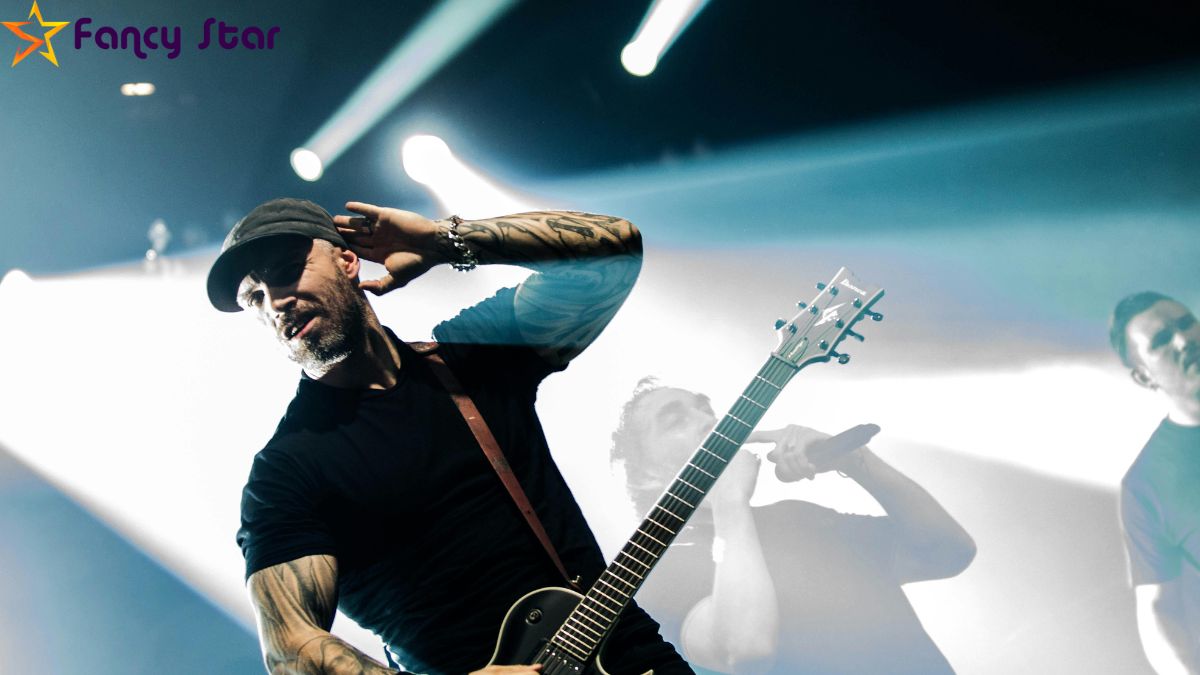
When learning the style of guitar heroes from rock bands, we can start by emulating legends like Jimmy Page and Jimi Hendrix, who transformed guitar playing with innovative techniques. We'll master essential techniques such as power chords, palm muting, and distortion to capture that gritty rock sound. Immersing ourselves in iconic riffs and solos from bands like AC/DC and Guns N' Roses will enrich our playstyle. Let's experiment with different tones and effects to replicate the signature sounds of our guitar idols. By blending these influences with our creativity, we can develop a unique and expressive rock guitar style.
When we discuss renowned rock guitarists, names such as Jimmy Page from Led Zeppelin and Jimi Hendrix immediately spring to mind because of their innovative playing styles and significant influence on rock music. These guitar legends didn't just perform on their instruments; they redefined the essence of being a guitarist.
Jimi Hendrix, for example, transformed the guitar with his inventive techniques and emotive performances. His utilization of bending, hammer-ons, and pull-offs produced sounds that were both unprocessed and exquisitely detailed. By examining Hendrix's music, we can discover how to incorporate dynamics, feeling, and a sense of originality into our playing that captivates audiences.
However, it's not solely about imitating their styles. Grasping what sets these guitarists apart aids us in cultivating our own distinct voice on the guitar. Bands like AC/DC, Guns N' Roses, and Queen present a diverse range of styles and methods that we can utilize. Evaluating their phrasing, tone, and use of effects equips us with the tools to craft a unique and expressive approach to our playing.

Understanding the unique styles of iconic rock guitarists lays the groundwork for mastering the fundamental techniques and tones that define their sound. Key techniques like power chords and palm muting are cornerstones of rock guitar. Power chords provide a strong, foundational sound that drives the rhythm section, while palm muting offers a percussive, controlled dynamic that adds texture and depth.
To capture the diverse tones of guitar heroes from bands like Led Zeppelin and Guns N' Roses, we need to explore the use of distortion. Distortion is pivotal for creating the heavy, gritty sound that characterizes much of rock music. However, guitarists also blend clean tones and various effects, such as delay and reverb, to craft dynamic, expressive solos.
Switching seamlessly between rhythm and lead playing is another vital skill. This versatility allows guitarists to support the band's overall sound while also standing out during solos.
When we explore classic rock styles, we uncover iconic guitar riffs and the legendary techniques of guitarists like Jimmy Page, Keith Richards, and Brian May. These musicians' bluesy influences and power chords have shaped the genre and left a lasting impact on modern rock. By studying their chord progressions and soloing methods, we can better understand what makes classic rock so timeless and dynamic.
Let's immerse ourselves in the electrifying world of iconic guitar riffs that have defined classic rock styles. When we think about classic rock, it's impossible not to mention the groundbreaking riffs crafted by legends like Jimmy Page of Led Zeppelin and David Gilmour of Pink Floyd. These riffs are more than just notes; they're the essence of the rock genre, encapsulating the energy and emotion that define it.
Jimmy Page's work on tracks like "Whole Lotta Love" showcases his innovative approach to riff creation, blending blues influences with hard rock power.
Similarly, David Gilmour's playing on "Money" demonstrates his mastery of melodic phrasing and impeccable timing, adding a unique texture to Pink Floyd's soundscapes.
Meanwhile, bands like AC/DC have perfected the art of the straightforward yet unforgettable riff. Angus Young's blistering work on "Back in Black" epitomizes the raw, high-voltage energy that has become a hallmark of their style.
In exploring the techniques of renowned guitarists, we can observe how they shaped the very essence of classic rock. Guitar heroes like Jimi Hendrix and Jimmy Page didn't simply play notes; they altered them, struck them forcefully, and introduced vibrato to develop their distinctive sounds. By analyzing their playing styles, we gain insight into the significance of tone, phrasing, and dynamics in classic rock music.
Eric Clapton and Jeff Beck demonstrated that tone isn't solely dependent on the equipment but also on how we handle the strings. Their meticulous phrasing and dynamic changes made each note resonate. Effects pedals, such as distortion, wah-wah, and delay, were essential for bands like Led Zeppelin and Cream in molding their individual tones.
Mastering classic rock riffs and solos from guitarists like David Gilmour and Ritchie Blackmore can improve our improvisational abilities and melodic perceptions. Additionally, comprehending the impact of blues and jazz on rock legends like BB King and Santana helps us infuse soulful phrasing and improvisation into our playing style.
Acquire riffs and solos from legendary guitarists
- Integrate blues and jazz influences

Modern rock's backbone undeniably traces back to the innovative styles of classic rock guitar heroes. Guitarists like Jimi Hendrix and Jimmy Page didn't just play; they redefined what the real guitar could do. Their powerful riffs, melodic solos, and dynamic stage presence have become the blueprint for modern rock guitar playing.
When we look at bands like Led Zeppelin and Pink Floyd, it's clear they set the foundation for what we now call guitar heroism. These bands pioneered techniques that modern guitarists still use today. The extended guitar solos, intricate fingerpicking, and creative use of effects pedals all stem from these classic rock legends.
Understanding these techniques is essential for any modern rock musician aiming to develop their own unique style. By studying the innovations of these classic rock guitar heroes, we not only learn the mechanics of guitar playing but also grasp the emotional and expressive potential of the instrument.
This in-depth exploration into the past enriches our present, allowing us to push the boundaries of what's possible in modern rock.
Now, let's explore the world of progressive rock solos, where signature techniques like alternate picking, string skipping, and tapping come to life.
We'll navigate the complex time signatures and intricate harmonies that define bands like Rush and Dream Theater.
Mastery in progressive rock solos demands more than just technical skill; it's an exploration of intricate melodies, odd-time signatures, and rich harmonies that define the genre. Guitar heroes from bands like Rush, Dream Theater, and Yes bring their virtuosic skills to life with innovative soloing techniques. They use tapping, sweep picking, and string skipping to create a dynamic and expressive sound.
We need to investigate these signature techniques to truly understand their impact. Tapping allows for rapid note sequences that add a fluid, almost piano-like texture to solos. Sweep-picking enables players to execute fast arpeggios with precision, creating a cascading effect. String skipping introduces unexpected leaps between notes, adding complexity and surprise.
Studying solos from these guitar heroes helps us not just improve our technical proficiency but also enhances our creativity and musical expression. Here's how you can enjoy and understand these techniques better:
Building on the foundation of unique solo techniques, we encounter the intriguing domain of intricate time signatures in progressive rock solos. Bands like Rush, Yes, and Dream Theater have mastered the art of incorporating time signatures like 7/8, 11/8, and even irregular meters, creating elaborate musical patterns that push the boundaries of traditional rock.
Navigating these complex rhythms can seem challenging, but it's a journey worth taking. Learning to play in these time signatures significantly enhances our overall sense of rhythm, timing, and musical dexterity. It demands a deep understanding of music theory and technical proficiency, as unconventional rhythmic structures require precise execution and creativity.
By studying the solos of guitar heroes from progressive rock bands, we gain valuable insights into advanced playing techniques. These musicians don't just play notes; they weave intricate tapestries of sound that challenge and inspire.
As we dissect their solos, we start to see the genius behind their rhythmic complexity and learn to apply these techniques to our own playing.
Ultimately, embracing complex time signatures opens up new avenues for musical expression and helps us grow as more versatile and skilled guitarists.

Diving into the world of improvisation and expression, we uncover the heart and soul of progressive rock solos. These solos often feature complex melodies, intricate harmonies, and unconventional time signatures, pushing us to elevate our technical skills. Guitar heroes like Rush, Yes, and Pink Floyd have set high standards with their innovative and emotive solos, blending classical elements with rock's raw power.
To emulate these legends, we need to dive deep into scales, modes, and arpeggios. This foundation allows us to create dynamic and expressive solos. Improvisation is vital in progressive rock, letting us explore different musical ideas and craft unique, on-the-spot performances. It's about more than just hitting the right notes; it's about expressing genuine emotion through our playing. A deep connection to the music and a sense of storytelling is crucial to convey the feelings and narratives behind each solo.
Here are some tips to dive deeper into progressive rock solos:
When it comes to emulating the legends of rock guitar, it's all about immersing ourselves in their world. We start by studying their techniques, tones, and stage presence. Analyzing live performances and studio recordings offers valuable insight into their unique playing styles and musical approaches. By closely observing how they move their fingers, use their gear, and interact with the audience, we gain a deeper understanding of what makes their sound iconic.
Practicing signature licks, solos, and chord progressions from classic rock songs is essential. These elements are the building blocks of their distinctive styles. We should spend time breaking down these parts, playing them slowly at first, and gradually increasing speed until we can capture the essence of their music.
Additionally, experimenting with different gear and effects helps us replicate their tones. Trying out various guitars, amps, and pedals allows us to find the right combination that echoes their sound while adding our touch.
Joining cover bands or tribute projects dedicated to these guitar heroes is another excellent way to hone our skills. It provides a platform to showcase what we've learned and pay homage to our musical idols.
Crafting a unique guitar sound demands more than just mimicking our idols; it's about blending their influences with our own creativity. To truly stand out, we need to experiment with different tones, effects, and playing techniques inspired by our guitar heroes. By studying the playing styles of iconic guitarists from rock bands, we can understand how they crafted their signature sounds and use that knowledge to develop our own.
An essential part of this process is using a combination of scales, chord progressions, and phrasing techniques. These elements help us create a distinctive guitar tone that resonates with our personal style. Incorporating elements of classic rock, blues, and metal into our playing adds depth and richness, making our sound more versatile and unique.
Embracing improvisation and creativity is vital. By allowing ourselves to explore and experiment, we can develop a sound that truly reflects our personality and the influences of our favorite guitar heroes.
Building on our quest to develop a unique sound, expanding our musical repertoire is the next vital step. To truly understand the essence of guitar heroes like Zeppelin, Metallica, and Jimi Hendrix, we need to explore their diverse musical repertoires. By studying their iconic riffs, solos, and techniques, we can gain insights into what makes their styles so distinctive.
Let's experiment with different genres within rock music. This broadens our musical vocabulary and enhances our playing skills. When we analyze live performances and studio recordings, we should pay close attention to the nuances and dynamics in the playing of these legends. This analysis helps us grasp the subtleties that define their sound.
Incorporating elements of improvisation and creativity into our practice is essential. Rock band guitar heroes are known for their spontaneity and energy, and by emulating this, we can infuse our playing with similar vigor. Let's not be afraid to take risks and try new things.
The more we push our boundaries, the more we can grow as musicians.
We can't use Rock Band guitars for Guitar Hero because they have different designs and technologies. Rock Band guitars have six fret buttons, while Guitar Hero uses five. Each game requires its own specific controller for the best experience.
We think Guitar Hero feels harder if you focus on the guitar, thanks to its expert mode. However, Rock Band's multi-instrument setup adds complexity. So, it depends on whether you're tackling just the guitar or the full band experience.
Yes, we can learn guitar like Guitar Hero by using tools like Rocksmith. It uses a real guitar, teaches chords and notes, and adjusts the difficulty level, making it fun and educational for aspiring musicians.
Yes, Rock Band is similar to Guitar Hero. Both games allow us to play music by hitting notes in sync with tracks. However, Rock Band offers more instruments and emphasizes teamwork, creating a more all-encompassing band experience.
In learning the styles of our guitar heroes, we've explored into their techniques, tones, and the essence of classic and progressive rock. By emulating these legends, we're not just replicating their sound but also discovering our unique musical voice. Expanding our repertoire with these insights, we're better equipped to express ourselves and innovate within the genre. Let's keep practicing, stay inspired, and continue our journey to becoming rock guitarists who can stand alongside the greats.