


We've witnessed pop legends revolutionize music videos with groundbreaking visuals and storytelling. Michael Jackson's "Thriller" broke new ground with its cinematic scope, while Madonna used videos to challenge societal norms. David Bowie's surreal imagery in "Ashes to Ashes" and Queen's "Bohemian Rhapsody" blended rock opera with visual art. A-ha's "Take On Me" introduced rotoscoping, and Herbie Hancock's "Rockit" dazzled with robotic animation. These pioneers didn't just push creative limits; they set new standards that reshaped the industry. Stick around and discover how other icons continued to evolve this vibrant art form.
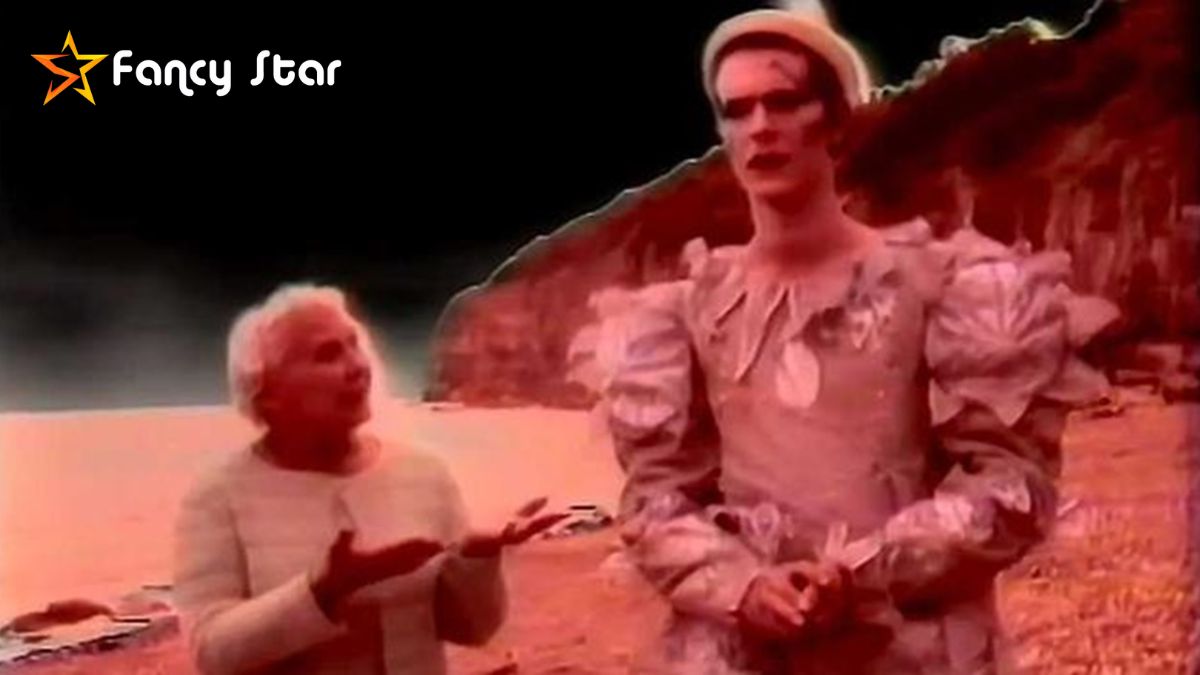
When we think about pioneering music videos, several iconic examples immediately come to mind. One of the earliest game-changers was Bob Dylan's "Subterranean Homesick Blues" in 1967, featuring innovative cue cards that marked a new era in music video storytelling. This creative approach set the stage for future artists to explore the medium's potential.
Fast forward to the 1980s, and we see David Bowie pushing boundaries with "Ashes to Ashes." This music video showcased surreal visuals and cemented Bowie's reputation as an artistic visionary. It wasn't just about the music; it was a complete sensory experience.
Of course, we can't overlook the moment MTV burst onto the scene. The Buggles' "Video Killed the Radio Star" made history as the first music video played on MTV in 1979. This debut ushered in an era where music videos became essential for artists, including the legendary Michael Jackson. His groundbreaking videos would later define the genre.
Queen's "Bohemian Rhapsody" in 1975 also deserves mention. It combined opera, rock, and visual storytelling, proving that music videos could be complex and sophisticated.
These pioneering music videos laid the groundwork for the vibrant, innovative landscape we enjoy today.
As we explore innovative visuals in music videos, we can't overlook the groundbreaking techniques and artistic imagery that transformed the medium.
From David Bowie's surreal effects in "Ashes to Ashes" to Peter Gabriel's mesmerizing stop-motion in "Sledgehammer," these videos pushed conceptual storytelling to new heights.
They not only redefined visual aesthetics but also left a lasting impact on how we experience music.
Groundbreaking visual techniques have forever altered the landscape of music videos, mesmerizing audiences with their innovative artistry. A-ha's "Take On Me" is a prime example, utilizing rotoscoping to seamlessly blend animation and live-action. This groundbreaking video captivated viewers with its unique art style and storytelling approach.
David Bowie's "Ashes to Ashes" pushed the envelope with surreal visuals and innovative special effects. The video's dreamlike quality and striking imagery made it a standout piece in Bowie's illustrious career, showcasing the potential of visual techniques in music videos.
Peter Gabriel's "Sledgehammer" took stop-motion animation and claymation to new heights. The video's visually striking result was achieved through meticulous frame-by-frame animation, creating a dynamic and engaging experience that resonated with audiences.
Herbie Hancock's "Rockit" incorporated groundbreaking computer animation and robotic visuals, setting a new standard for futuristic aesthetics in music videos. The integration of these advanced visual techniques helped to create a distinct, memorable look that was ahead of its time.
Lastly, Spike Jonze's "Buddy Holly" video for Weezer cleverly inserted the band into classic TV shows through inventive editing techniques. This creative approach highlighted the power of visual effects in transforming and enhancing the narrative of a music video.
Music videos have evolved dramatically in their conceptual storytelling, particularly through innovative visuals that enhance narrative depth and audience engagement. Let's explore some iconic examples that have shaped pop music history with their groundbreaking imagery.
David Bowie's "Ashes to Ashes" (1980) set the stage with surreal imagery and symbolic storytelling, blending artistic visuals with a profound narrative. Talking Heads' "Once in a Lifetime" (1981) took concept storytelling to a new level by using innovative visuals and choreography to explore existential themes. These videos weren't just about the music; they told stories that resonated with viewers on multiple levels.
Herbie Hancock's "Rockit" (1983) pushed the boundaries with cutting-edge animation and robotic imagery, creating a futuristic visual experience that was ahead of its time. Peter Gabriel's "Sledgehammer" (1986) employed stop-motion animation and other creative techniques to craft a visually engaging masterpiece, further showcasing the power of concept storytelling.
Guns N' Roses' "Welcome To The Jungle" (1987) used gritty, raw visuals to reflect their rebellious image and rock aesthetic. Duran Duran also played a significant role in this evolution, consistently pushing the envelope with their innovative visuals and narrative-driven videos. Together, these artists redefined what music videos could achieve, leaving an indelible mark on pop music history.
Building on the evolution of conceptual storytelling, impactful artistic imagery has played a pivotal role in transforming music videos into powerful visual statements. When MTV burst onto the scene, it wasn't just about the music; it was about the entire sensory experience. Music videos became canvases for groundbreaking visual effects and innovative techniques that redefined the medium.
David Bowie's "Ashes to Ashes" in 1980 dazzled us with surreal imagery and pioneering visual effects, setting a new standard. Shortly after, Talking Heads' "Once in a Lifetime" in 1981 mesmerized with its innovative use of green screen technology and abstract visuals, pushing the boundaries of what a music video could be.
Let's not forget Herbie Hancock's "Rockit" in 1983, which showcased cutting-edge animation and robotic aesthetics that felt like a glimpse into the future. Peter Gabriel's "Sledgehammer" in 1986 took things even further with its stunning stop-motion animation and claymation, making it a timeless classic. Ultimately, Guns N' Roses' "Welcome To The Jungle" in 1987 captured the raw, gritty essence of the band with visuals that felt visceral and real.
These videos didn't just entertain; they left lasting impressions that changed how we perceive music and visuals.
When we think of pioneering visual storytelling techniques and iconic dance choreography, Michael Jackson's music videos immediately come to mind. His groundbreaking work not only entertained but also influenced global culture, setting new standards in the industry. Let's explore how Jackson's videos like "Thriller," "Billie Jean," and "Beat It" revolutionized music videos forever.
Although many artists have contributed to the evolution of music videos, Michael Jackson's innovative approach to visual storytelling stands unrivaled. His work not only mesmerized our imaginations but redefined the entire genre of music videos. With "Thriller," Jackson revolutionized the medium, creating a mini-movie that won multiple awards and became an MTV staple. His groundbreaking techniques in visual storytelling set him apart from other pop legends.
Jackson's "Billie Jean" was a masterclass in visual effects and narrative innovation. The video introduced techniques that had never been seen before, raising the bar for what music videos could achieve.
"Beat It" featured not only inventive choreography but a star-studded cast, further solidifying his influence on the medium.
We can't overlook how Jackson's videos broke racial barriers, making him a pioneer in more ways than one. By pushing creative boundaries, he elevated music videos to an art form, enchanting audiences worldwide.
Jackson's pioneering visual storytelling techniques continue to inspire and influence artists today.
Michael Jackson's influence on dance choreography in music videos remains unmatched. His groundbreaking work, especially in "Billie Jean" and "Thriller," showcased not only his innovative dance moves but also his ability to weave storytelling into choreography. These music videos didn't just entertain; they set a new standard in the industry.
We can all remember the first time we saw Jackson's iconic moonwalk in "Billie Jean" or the perfectly synchronized zombie dance in "Thriller." His precision and creativity in dance choreography turned these videos into cultural phenomena, influencing generations of performers.
Today, artists like Beyoncé and Justin Timberlake continue to draw inspiration from Jackson's pioneering steps and fluid motions.
It's not just about the moves themselves but how they were integrated into the narrative of the music videos. Jackson's choreography became synonymous with his songs, making each dance step as memorable as the lyrics. His impact on dance choreography is a tribute to his genius and has solidified his place among pop legends.
Through his work, Jackson has shown us that dance is a powerful storytelling tool, forever changing how we experience music videos.
The global cultural influence of Michael Jackson's music videos is undeniable. His groundbreaking visuals for songs like "Billie Jean" and "Thriller" didn't just break new ground; they redefined the entire landscape of visual storytelling in the music industry. Jackson's innovative approach set new standards for production quality and choreography, making music videos an essential element of an artist's narrative. By premiering on MTV, his videos reached an unprecedented audience, turning him into a global icon and cultural phenomenon.
"Thriller," in particular, revolutionized the industry, showcasing how a music video could become a masterpiece of both music and film. It didn't just entertain; it shattered racial barriers and united Generation X in a shared cultural experience. Jackson's impact extended beyond music, influencing fashion trends, dance styles, and even the film industry itself.
We can't overlook the lasting legacy of his work:
Michael Jackson's influence is timeless, transforming the music video into a powerful tool for global cultural expression.

Madonna's groundbreaking music videos have left an indelible mark on the pop landscape, cementing her legacy as a pioneer in visual artistry. From the moment "Borderline" hit the airwaves in 1984, we witnessed the rise of a true pop icon. This video showcased her unique style and set her apart in the music industry, making it clear that Madonna wasn't just following trends—she was setting them.
Known for pushing boundaries, Madonna has always used her music videos to challenge societal norms and empower viewers. Her provocative visuals in videos like "Like a Prayer" and "Vogue" weren't just about shock value; they were powerful statements that solidified her status as the Queen of Pop. These videos highlighted her versatility as an artist, showing us that she could seamlessly reinvent herself while conveying profound messages.
Madonna's influence extends beyond just the visuals. She used her music videos as a platform for artistic expression and cultural commentary. By continually reinventing herself, she inspired generations of artists to explore their creativity and challenge the status quo. Her impact is undeniable, and her legacy in the realm of music videos remains unmatched.
As we move from Madonna's trailblazing influence, let's explore how technological advancements have revolutionized music videos. With the advent of MTV, artists and directors began pushing the boundaries of creativity and technology. A-ha's "Take On Me" stands as a prime example, utilizing rotoscoping to blend live-action footage with animation, creating a visually stunning music video that captivated audiences.
Dire Straits' "Money for Nothing" brought computer animation into the mainstream. This groundbreaking use of technology gave us a glimpse into the future of digital art in music videos. Godley & Creme's "Cry" took a mesmerizing approach with face morphing, transforming the faces of various individuals seamlessly within the video, leaving a lasting impression on viewers.
Spike Jonze, a visionary director, made significant contributions to the evolution of music videos. His direction of Weezer's "Buddy Holly" creatively blended the band with vintage TV footage, adding a nostalgic touch.
Similarly, Jonze's work on the Beastie Boys' "Sabotage" adopted a retro cop show theme, showcasing the group's innovative approach.
These technological advancements have forever changed the landscape of music videos.
Capturing raw emotion in music videos can forge a deep connection with the audience, and Sinéad O'Connor's "Nothing Compares 2 U" exemplifies this power. The music video, directed by John Maybury, is celebrated for its emotional intensity and minimalist approach. By focusing almost exclusively on close-up shots of O'Connor's face, the video strips away distractions and allows her vulnerability to take center stage.
This powerful portrayal of raw emotion resonated with audiences worldwide, making the song not just a hit but a cultural touchstone. Sinéad O'Connor's heartfelt delivery, coupled with the simplicity of the video's production, created a profound impact that set it apart from the visually elaborate music videos of its time.
It's no wonder the video won three MTV Video Music Awards in 1990, cementing O'Connor's status as an influential artist in the music industry.
Her performance in the video is so compelling that it's impossible not to feel the emotional weight of every word she sings. The minimalist approach of "Nothing Compares 2 U" demonstrates how sometimes, less is indeed more, especially when conveying deep, raw emotion.
The grunge and alternative music scene experienced a seismic shift in 1991 with the release of Nirvana's "Smells Like Teen Spirit" music video. This video wasn't just a visual accompaniment to a song; it was a cultural milestone. Nirvana's raw and rebellious aesthetic perfectly captured the essence of the grunge movement.
The video, with its high school gym setting and chaotic mosh pit, challenged the polished, mainstream music videos of the time. By rejecting conventional norms, "Smells Like Teen Spirit" delivered an anti-establishment message that resonated deeply with disaffected youth. It wasn't just about the music; it was a visual manifesto of authenticity and non-conformity that spoke to an entire generation.
Nirvana's impact on alternative rock culture was undeniable, and this video cemented their status as icons of the 90s music scene.
The emotional power of the video can be felt through:
Throughout the history of pop music, empowering female artists has played an essential role in reshaping industry norms and breaking gender barriers. Icons like Madonna, Britney Spears, and the Spice Girls have used their music videos to challenge societal expectations and promote female empowerment.
Madonna's video for "Borderline" was groundbreaking. It showcased her independence and determination, effectively paving the way for future female empowerment in music videos. Her unapologetic attitude and bold fashion choices became an emblem of strength for many women.
Similarly, Britney Spears' iconic video for "...Baby One More Time" solidified her status as a pop culture icon and empowered a generation of young women. Her schoolgirl outfit and confident dance moves resonated with many, making a powerful statement about owning one's sexuality and confidence.
The Spice Girls took female empowerment to another level with their video for "Wannabe." Celebrating female friendship and unity, the video resonated with fans worldwide. Their message of "girl power" encouraged women to support each other and embrace their individuality.
We consider Michael Jackson's "Thriller" the most influential music video of all time. It revolutionized the medium with its cinematic storytelling, groundbreaking effects, and iconic dance sequences, setting a new standard that still resonates today.
We believe directors like Russell Mulcahy, Kevin Godley, Lol Creme, Steve Barron, Mark Knopfler, and Spike Jonze revolutionized music videos. They pushed creative boundaries, blending storytelling, technology, and unique visuals, transforming how we experience music.
We revolutionized pop music with our innovative sound and unforgettable performances. From Michael and Madonna to Britney, Beyoncé, and Gaga, we've consistently pushed boundaries and redefined what pop music can be, leaving a lasting legacy.
"Sledgehammer" by Peter Gabriel is the most popular MTV video ever. It won nine MTV Video Music Awards in 1987. Its groundbreaking stop-motion animation set new standards, enchanting audiences and cementing its place in music video history.
As we reflect on these revolutionary music videos, it's clear they transformed how we experience music. From Michael Jackson's groundbreaking visuals to Madonna's bold statements, these artists pushed boundaries and embraced technological advancements. They didn't just entertain us; they moved us emotionally and empowered countless female artists. The legacy of these iconic videos continues to inspire and shape the future of music and visual storytelling. Let's celebrate their lasting impact and look forward to what's next.