


We've seen how pop icons and their impactful music videos shaped the landscape of visual storytelling. Bob Dylan's "Subterranean Homesick Blues" broke from traditional performance visuals, while Queen's "Bohemian Rhapsody" set the bar high for innovation. Michael Jackson redefined the genre with "Thriller" and "Billie Jean," mesmerizing us with dance and narrative. Madonna, with hits like "Vogue" and "Like a Prayer," constantly pushed societal boundaries. Technological advances from CGI to VR have taken music videos to new heights. Each of these contributes to the rich tapestry of music video history, so let's discover more.

Pioneering music videos have greatly shaped the way we experience music today. Let's start with Bob Dylan's "Subterranean Homesick Blues" from 1967. This video, featuring Dylan flipping cue cards with lyrics in an alley, stands as one of the pioneering music videos. It broke away from performance-based visuals, introducing a more conceptual approach.
Queen's "Bohemian Rhapsody" from 1975 took things further by blending innovative visuals and storytelling. This music video set new standards and demonstrated how a video could elevate a song's impact.
Then came The Buggles' "Video Killed the Radio Star" in 1979, marking a significant moment as the first music video aired on MTV. Its debut underscored the growing importance of music videos in the industry.
David Bowie's "Ashes to Ashes" from 1980 showcased groundbreaking visuals and conceptualism, influencing a generation of artists. Bowie's artistic vision made this video a landmark in the medium.
Finally, Talking Heads' "Once in a Lifetime" from 1981 captivated audiences with its experimental visuals and symbolic storytelling. This video perfectly encapsulated the band's avant-garde style.
These pioneering music videos didn't just accompany the songs; they transformed how we engage with music.
Innovative visuals in music videos have transformed the way we experience music, blending art and technology to create unforgettable impressions. From the early days of MTV, we've seen how music videos can transform a song into a visual spectacle. Directors and artists collaborate closely, using storytelling techniques and special effects to craft narratives that are as memorable as the music itself.
Cutting-edge technology plays an essential role in this creative process. Whether through stunning cinematography, intricate animation, or sophisticated special effects, these elements enhance the emotional impact of a video. Choreography also adds a dynamic layer, with dance moves that not only entertain but also communicate deeper meanings and themes.
Artistic direction is key to making these visuals impactful. Every detail, from the set design to the costumes, is meticulously planned to complement the song and amplify its message. This attention to detail makes sure that the video resonates with viewers and stays with them long after they've watched it.
Ultimately, innovative visuals captivate us. They evoke emotions, tell compelling stories, and create lasting memories, proving that music videos are a powerful medium for artistic expression.
When we think about Michael Jackson's influence, it's impossible to ignore the groundbreaking impact of his music videos. "Thriller" set a new standard with its cinematic horror theme and unforgettable zombie dance.
"Billie Jean" broke racial barriers on MTV and highlighted his signature moves.
"Beat It" brought social issues to the forefront with its gang-themed choreography, showcasing Jackson's ability to combine powerful storytelling with innovative visuals.
Few music videos have had as profound an impact on the industry as Michael Jackson's "Thriller." Directed by John Landis, this cinematic masterpiece didn't just entertain; it revolutionized the music video format with its horror aesthetic and intricately choreographed zombie dance. Jackson's red leather jacket and the now-infamous popcorn-eating scene have become cultural icons in their own right.
"Thriller" achieved several milestones that set it apart:
The success of "Thriller" propelled Michael Jackson to unprecedented heights of fame, solidifying his status as the King of Pop. Its impact is still felt today, as it remains one of the most influential music videos of all time.
While "Thriller" set a new standard for cinematic storytelling in music videos, "Billie Jean" showcased Michael Jackson's unparalleled dance prowess and innovative performance style. This groundbreaking music video is renowned for its iconic dance moves, especially the signature moonwalk that left audiences in awe. Michael Jackson's electric choreography in "Billie Jean" wasn't just about showcasing talent—it was about pushing the boundaries of what a music video could be.
The mesmerizing visuals and Jackson's fluid movements set new standards for music video production. We saw how each step and twirl was meticulously designed to enchant viewers, making the "King of Pop" a pioneer in the field. The success of "Billie Jean" helped solidify his status, embedding his influence deep in popular culture.
This music video didn't just entertain; it revolutionized the industry. From its groundbreaking dance moves to its visual innovation, "Billie Jean" left a lasting legacy. Its impact on popular culture and the music industry is undeniable, reminding us of the transformative power of creativity and talent in the world of music videos.
Michael Jackson's influence continues to resonate, inspiring countless artists and captivating new generations.
The power of storytelling is vividly evident in Michael Jackson's "Beat It" music video, where he masterfully blends a compelling narrative with social commentary. Directed by Bob Giraldi, this groundbreaking music video doesn't just entertain; it delivers a profound message about gang violence and unity. Michael Jackson's influence on pop culture is undeniable, and "Beat It" stands as a demonstration of his commitment to using art as a platform for social change.
In "Beat It", Jackson's choreography and the video's narrative intricately weave a story that speaks to the heart of social issues. The music video showcases:
"Beat It" resonated with audiences around the world, not just for its catchy tune but for its powerful storytelling and impactful choreography. Michael Jackson's ability to address societal issues through his music videos has left an enduring mark on pop culture.
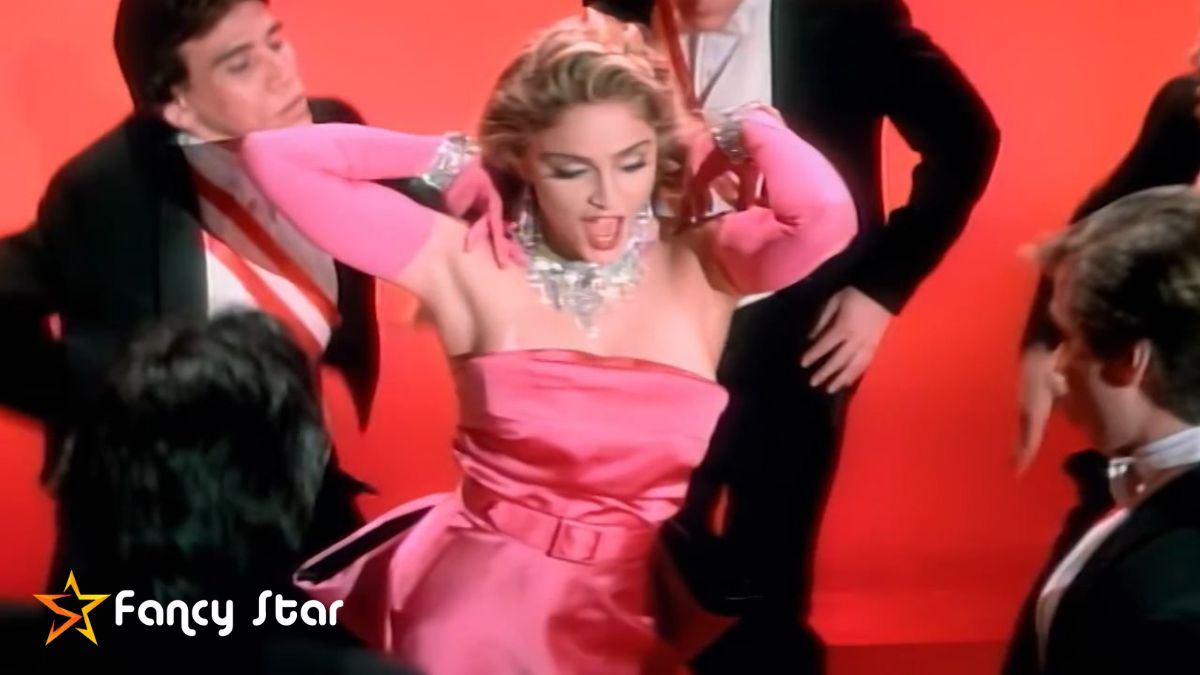
When we immerse ourselves in Madonna's iconic music videos, it's clear that each one has left an indelible mark on pop culture. In "Vogue," Madonna not only celebrated the dance style but also challenged societal norms by addressing sexuality and gender norms. It was a visual feast that encouraged self-expression in ways previously unseen.
"Like a Prayer" took bold steps with its use of religious symbols and imagery, sparking controversy and conversation. The blend of provocative themes and powerful storytelling made it unforgettable.
Meanwhile, "Borderline" showcased Madonna's early visual style, combining fashion and dance in a way that captivated audiences and set a new standard for music videos.
"Material Girl" paid homage to Marilyn Monroe with lavish sets and iconic fashion moments that cemented Madonna's status as a pop icon. The video's glamorous aesthetic and catchy tune became synonymous with 80s pop culture.
Innovation has driven the evolution of music videos into extraordinary visual spectacles. We've seen how technological advancements have revolutionized music video production, making them more visually stunning and immersive than ever before. The use of CGI, green screens, and digital effects has enabled artists to create fantastical worlds that captivate audiences. High-definition cameras and sophisticated editing software have elevated the quality and production value, setting new standards in the industry.
With the rise of online platforms like YouTube and Vevo, artists now have unprecedented opportunities to reach a global audience. This shift has democratized access to music videos, allowing fans to enjoy high-quality content anytime, anywhere. The MTV Video Music Awards have also played a significant role in highlighting groundbreaking work, showcasing the best in music video innovation.
Moreover, virtual reality and augmented reality technologies are pushing the boundaries of what's possible, creating truly immersive experiences. Imagine being able to step inside your favorite music video and interact with it in real-time. This isn't just a dream—it's becoming a reality.
Why do certain music videos leave an indelible mark on our culture and psyche? It's the visual creativity that makes them unforgettable. Pop icons like Madonna, Lady Gaga, and Beyoncé excel at crafting visually innovative masterpieces that push boundaries and set trends. They collaborate with top directors to bring their artistic visions to life in groundbreaking ways.
Their music videos are a feast for the eyes, featuring elaborate costumes that dazzle and intricate choreography that mesmerizes them. They employ cutting-edge visual effects to create experiences that are both memorable and pioneering. These elements combine to convey powerful messages that resonate with us on a deep level.
Moreover, these pop icons use their visual creativity to challenge societal norms and celebrate diversity. Through visually engaging storytelling, they address important social issues and promote inclusivity.
For instance, Lady Gaga's "Born This Way" celebrates individuality and self-acceptance, while Beyoncé's "Formation" addresses racial pride and empowerment.
In doing so, they shape pop culture and influence the next generation of artists and creatives. Their pioneering efforts in visual creativity set a high bar, inspiring others to innovate and push the envelope in their own work.
Let's talk about how impactful rap videos like Dr. Dre's "Nuthin but a G Thang" revolutionized visual storytelling in hip hop.
This video not only captured the laid-back West Coast vibe but also offered cultural and social commentary that resonated with many.
When it comes to impactful rap videos, one can't help but notice how they've transformed visual storytelling within the genre. A prime example is "Nuthin but a G Thang" by Dr. Dre, featuring Snoop Doggy Dogg. This video set a new standard for West Coast rap visuals and encapsulated the essence of the G-funk era. Directed by Dr. Dre himself, it combined laid-back vibes with a gritty urban aesthetic, perfectly reflecting the artists' personas and the 90s hip-hop culture.
The video's influence on rap music and subsequent West Coast rap videos is undeniable. Its impact can be broken down into three key aspects:
In essence, "Nuthin but a G Thang" stands as a hallmark of visual storytelling in rap, showcasing how powerful and transformative these videos can be.
Rap videos frequently serve as powerful platforms for cultural and social commentary, often addressing pressing issues that resonate deeply within communities. Dr. Dre's "Nuthin but a G Thang" is a prime example of this, as it vividly portrays West Coast hip-hop culture. When MTV debuted impactful music videos like this, it wasn't just about the music; it was about showcasing a lifestyle and a movement.
In "Nuthin but a G Thang," we see the laid-back vibe and swagger that defined the early 90s gangsta rap scene, highlighted through the iconic pool party scenes and lowrider culture imagery. This video does more than entertain; it offers a snapshot of street life in Long Beach, California, making it an integral piece of music video history.
Just as Michael Jackson's "Thriller" video set a high bar for visual storytelling, Dr. Dre and Snoop Doggy Dogg's authentic portrayal of their environment in this video solidified their status as pop icons. It's comparable to how directors like Spike Jonze use visual media for cultural commentary.
The chemistry and authenticity between Dre and Snoop make "Nuthin but a G Thang" an iconic music video that continues to influence the rap genre.
We believe the most influential music video of all time is Michael Jackson's "Thriller." Its cinematic storytelling, groundbreaking visuals, and iconic dance choreography revolutionized the medium and set new standards, solidifying Jackson's status as the King of Pop.
We think Michael Jackson had the biggest impact on pop music. His innovative style, groundbreaking music videos, and unmatched performance skills set new standards. We can't overlook his influence on the genre, making him a true legend.
The most viewed pop music video is "Despacito" by Luis Fonsi, featuring Daddy Yankee, with over 7.9 billion views. Released in 2017, it quickly captivated audiences worldwide, breaking records and showcasing stunning visuals and dance sequences.
The most popular MTV video of all time is Michael Jackson's "Thriller," released in 1983. It won numerous awards and revolutionized music videos with its iconic choreography and horror movie aesthetic. "Thriller" remains celebrated for its storytelling and production.
As we look back, it's clear that pop icons and their groundbreaking music videos have shaped our culture. From Michael Jackson's mesmerizing moves to Madonna's bold statements, they've revolutionized the industry. With technological advances, visual creativity continues to push boundaries, and impactful rap videos add powerful narratives. We're excited to see where future innovations will take us, as these legendary artists have set the stage for a vibrant and ever-evolving visual landscape.