

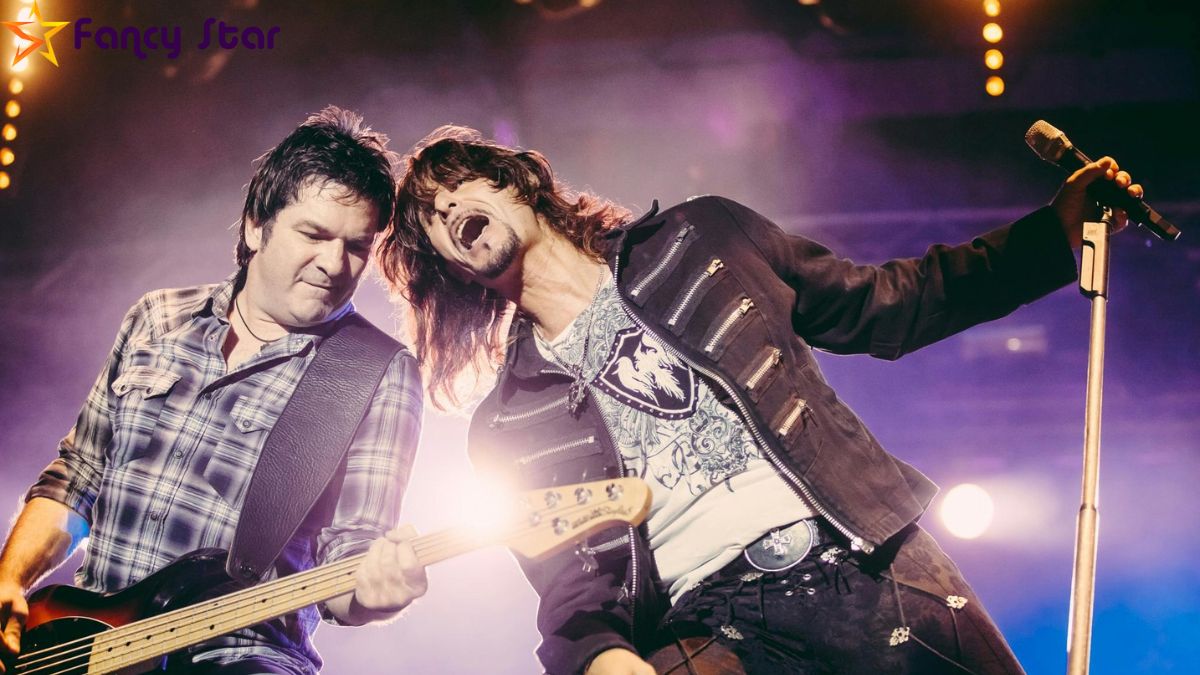
In the vibrant landscape of 80s rock, we find guitar legends who didn't just play the hits but redefined the art itself. Eddie Van Halen's shredding on "Eruption" blew minds, while Stevie Ray Vaughan brought raw blues back into the spotlight. Slash and Izzy Stradlin gave Guns N' Roses their gritty edge, and Joe Satriani mesmerized with his technical masterpieces. Kirk Hammett's solos marked Metallica's ascent, and Yngwie Malmsteen's neoclassical style revolutionized metal. Steve Vai's innovative techniques pushed the boundaries of rock. Join us to explore how these legends' virtuosity and unique styles changed music forever.
Eddie Van Halen transformed rock guitar in 1978 with his innovative playing style, setting new benchmarks in the music world. By unveiling his iconic solo in "Eruption," Eddie displayed an unparalleled level of virtuosity on the electric guitar. This performance not only redefined guitar playing but also laid the groundwork for what we now recognize as the shred genre. His captivating lead work mesmerized audiences and fellow musicians alike, earning him a rightful place among the pantheon of rock guitar heroes.
As we explore rock history, Eddie Van Halen's contributions stand out as both transformative and influential. His techniques, such as tapping and rapid-fire picking, became essential tools for aspiring guitarists. These components of his style weren't just flashy maneuvers; they were pioneering innovations that broadened the musical vocabulary of rock guitar. Thanks to Eddie, a new generation of guitarists found inspiration and motivation to push their own limits.
It's indisputable that Eddie Van Halen's impact on rock music is profound. His pioneering approach solidified his legacy as a genuine guitar legend. When we think about the icons of rock guitar, Eddie Van Halen's name shines brightly, forever etched in rock history.

While Eddie Van Halen revolutionized rock guitar with his groundbreaking techniques and electrifying solos, another virtuoso emerged in the early '80s who brought blues back to the forefront of rock music. Stevie Ray Vaughan popularized blues-based rock in 1983 with his technical style and emotive playing. His debut album, "Texas Flood," proved that blues could be a commercial force, garnering critical acclaim and a devoted fanbase.
Vaughan's iconic guitar, "Number One," a battered Fender Stratocaster, was integral to his searing tone and expressive playing. Songs like "Pride and Joy" and the title track "Texas Flood" showcased his seamless blend of technical prowess and raw emotion. His guitar playing wasn't just about speed or flash; it was about conveying deep feelings through every note.
Vaughan's influence didn't just remind us of the power of the blues; it brought it back into the mainstream. His emotive and technically brilliant approach continues to inspire guitarists worldwide. When we listen to Stevie Ray Vaughan, we hear more than just music—we hear the soul of blues-based rock, amplified through his beloved Stratocaster and timeless tracks.
In the mid-'80s, Slash and Izzy Stradlin formed a legendary guitar duo that propelled Guns N' Roses to international stardom. Their unique combination of lead and rhythm guitar created a dynamic sound that resonated with fans worldwide. Slash, with his iconic top hat and fiery solos, and Izzy Stradlin, with his laid-back style and solid rhythm work, made vintage guitars cool again.
Together, they provided the perfect blend of color and contrast that defined Guns N' Roses' sound. Slash's legendary solos brought a raw, emotional intensity, while Izzy's rhythm guitar provided a steady backbone, ensuring the songs were both powerful and cohesive.
Their synergy was undeniable and played a significant role in the band's massive crossover appeal.
As influential rock guitarists, Slash and Izzy Stradlin left a lasting impact on the music industry. Their work together not only catapulted Guns N' Roses to the top of the charts but also inspired a generation of aspiring guitarists. The legacy of their partnership endures, reminding us of the incredible artistry and chemistry that defined one of rock's most iconic duos.
Joe Satriani, a virtuoso shredder, revolutionized the 80s guitar hero landscape with his iconic instrumental rock style. His technical proficiency and melodic playing set him apart, making him a true maestro in a decade bursting with guitar talent. Satriani's influence on the guitar world is immense; he taught legends like Steve Vai and Kirk Hammett, proving his mastery extends beyond just performing.
We can't discuss Joe Satriani without highlighting "Surfing with the Alien." This album is a masterpiece that showcases his exceptional guitar skills and solidifies his place in the pantheon of guitar heroes.
Tracks like the title song and "Satch Boogie" reveal a blend of speed, precision, and emotion that few can match. Satriani didn't just play the guitar; he spoke through it, creating melodies that resonated deeply with listeners.
In the 80s guitar landscape, Satriani's dedication to instrumental rock was unique. While most were focused on vocals and lyrics, he let his guitar do the talking. His influence continues to inspire countless guitarists, and his contributions have firmly established him as a respected figure in the guitar community.
Kirk Hammett, the electrifying lead guitarist of Metallica, has left an indelible mark on the world of metal music. From the moment he joined the band, Hammett brought a new level of technicality and innovation that redefined the genre. His guitar solos, marked by their complexity and emotional depth, have become cornerstones of Metallica's iconic sound.
As Metallica's guitarist, Hammett's influence extends far beyond the band's massive success. His work on tracks like "Master of Puppets" and "One" showcases his ability to blend speed, precision, and melody in ways that have inspired countless metal guitarists. His distinct style, characterized by rapid-fire picking and intricate fingerwork, set a new standard for what metal solos could achieve.
Hammett's contributions haven't only solidified Metallica's place in music history but have also earned him a reputation as a key figure in the metal scene. His innovative approach and technical prowess continue to inspire a new generation of musicians.
In the ever-evolving world of metal, Kirk Hammett remains a towering figure, his legacy etched into every riff and solo he's crafted.

Let's talk about Yngwie Malmsteen, the neoclassical metal pioneer who revolutionized guitar playing in the 80s. His unmatched speed and precision on the guitar set a new standard, especially with his landmark album "Rising Force."
Malmsteen's influence on metal guitarists is undeniable, inspiring many to explore new levels of technical proficiency.
Yngwie Malmsteen, a trailblazer in the metal scene, revolutionized the genre by pioneering neoclassical metal, which masterfully blends classical music influences with heavy metal's intensity. His groundbreaking album, "Rising Force," solidified his reputation as a virtuoso guitarist in the metal genre. By introducing innovative techniques and an unprecedented level of technical proficiency, Malmsteen brought a fresh, sophisticated sound to heavy metal.
We can see Malmsteen's impact in the way he seamlessly integrates classical music elements into his compositions. His unique approach involves intricate scales, arpeggios, and harmonies that mirror the complexity of classical music. This innovative fusion wasn't just about speed; it was about creating a rich, textured auditory experience that resonated deeply with listeners.
Malmsteen's profound influence on metal guitarists is undeniable. His innovative techniques have inspired countless musicians to explore new territories of technical mastery and compositional complexity. Every note he plays reflects a deep understanding of both classical music and heavy metal, making his work a timeless cornerstone of the genre.
As we explore deeper into his legacy, it's clear that Malmsteen's neoclassical metal continues to inspire and challenge guitarists around the world.
When we discuss the evolution of metal guitar playing, one name inevitably stands out for its unmatched speed and precision: Yngwie Malmsteen. Malmsteen introduced a new level of technical proficiency to the guitar, setting standards that were unheard of in the metal genre. His unparalleled speed and precision became a benchmark for aspiring guitarists everywhere.
Yngwie's landmark album "Rising Force" is a tribute to his virtuosity and innovative playing style. The album not only showcases his technical prowess but also his ability to blend classical music with heavy metal, giving birth to what we now call neoclassical metal.
Tracks from "Rising Force" are filled with blistering solos and intricate compositions that left a profound impact on the metal community.
We can't overemphasize Malmsteen's influence on a generation of metal guitarists. His neoclassical metal style revolutionized the way guitarists approached their instruments, emphasizing both technical skill and musical depth. Yngwie Malmsteen didn't just play the guitar; he transformed it into an instrument capable of expressing the most complex and rapid musical ideas with clarity and precision. His legacy in the metal genre is nothing short of monumental.

When we think about guitar virtuosity and technical skill in the 80s, Steve Vai immediately comes to mind. His innovative techniques and groundbreaking style in albums like "Passion and Warfare" have influenced countless guitarists. Let's explore how Vai's creativity and iconic tracks have made him a legend in the rock world.
Among the pantheon of 80s rock guitarists, Steve Vai stands out as a paragon of virtuosity and technical skill. As a guitar virtuoso, Vai is renowned for his innovative techniques and groundbreaking style, which have captivated audiences and inspired countless musicians. His fluid and effortless playing showcases a level of mastery that few can match, firmly establishing him as a guitar master.
Vai's journey to fame began with his collaborations with legendary artists like Frank Zappa. However, it was his solo career that truly highlighted his extraordinary abilities. The iconic album "Passion and Warfare" is a showcase of his virtuosity and creativity. Each track on the album demonstrates his unparalleled technical skill, blending complex compositions with an emotive playing style that resonates deeply with listeners.
What sets Steve Vai apart isn't just his technical prowess but also his ability to push the boundaries of guitar playing. His innovative techniques and unique approach to the instrument have set new standards in the guitar world.
It's clear that Vai's influence extends beyond just his music; he's reshaped how we perceive and appreciate guitar virtuosity in rock music.
Steve Vai's impact on the world of rock guitar goes beyond mere technical proficiency. As a guitar wizard, he introduced innovative techniques that transformed the landscape of rock music in the 80s. Vai's groundbreaking style wasn't just about playing fast or accurately; it was about pushing the boundaries of what a guitar could do. His virtuosity and creativity set him apart, making him a true pioneer in the guitar world.
One of Vai's key innovations was his ability to marry technical prowess with expressive musicality. He didn't just play notes; he made the guitar sing, scream, and whisper, often in the same song. This approach is most evident in his masterpiece album "Passion and Warfare," where his unique techniques are on full display.
From intricate tapping and whammy bar acrobatics to harmonic manipulation, Vai's innovations influenced an entire generation of guitarists.
His legacy extends beyond his solo career, impacting countless musicians who sought to emulate his style. By developing new techniques and constantly pushing the envelope, Vai has left an indelible mark on the guitar community, ensuring his influence will be felt for years to come.
Rarely does an album come along that redefines an entire genre, but Steve Vai's "Passion and Warfare" did just that for instrumental rock guitar. This iconic album, released in 1990, showcased Vai's innovative techniques and unparalleled creativity, solidifying his place among guitar legends.
As one of the standout rock bands of the 80s, Vai's work on this album produced hits that continue to inspire and influence guitarists worldwide.
Tracks like "For the Love of God" and "The Audience Is Listening" highlight Vai's virtuosity and melodic sensibilities. His fluid and effortless playing style, combined with groundbreaking methods, set "Passion and Warfare" apart from other releases of the time.
This album didn't just feature impressive guitar work; it redefined what could be achieved with the instrument in rock music.
Steve Vai's technical skills and creativity on "Passion and Warfare" have left an indelible mark on the landscape of rock guitar playing. The album's musical depth and lasting impact are a testament to Vai's status as a true guitar virtuoso.
For anyone passionate about rock bands of the 80s and iconic albums, "Passion and Warfare" is an essential listen.

John Petrucci's progressive metal guitar style has left an indelible mark on the music world, showcasing his excellent technical skill and songwriting abilities since co-founding Dream Theater in 1985. His work in the band has been nothing short of groundbreaking, earning him critical acclaim and a dedicated fanbase.
As a respected figure in the prog-metal scene, Petrucci's innovative guitar playing has set him apart from his peers. We can trace much of modern progressive metal's complexity and depth back to Petrucci's influence. His intricate solos, meticulous riffs, and impeccable timing have become benchmarks for aspiring guitarists.
Dream Theater's albums, filled with his signature style, offer a masterclass in technical proficiency and creative composition. Petrucci's legacy is more than just his impressive discography; it's his lasting impact on the guitar world. Many guitarists cite him as a primary influence, aiming to emulate his precision and creativity.
His role in shaping the sound and direction of progressive metal can't be overstated. By continually pushing the boundaries of what guitar playing can achieve, Petrucci has cemented his place as an influential figure in rock history.
We should remember the famous guitar players of the 80s: Eddie Van Halen, Slash, George Lynch, Steve Vai, Joe Satriani, and Mick Mars. Their innovative styles and memorable riffs defined the rock sound of that era.
We'd say Eddie Van Halen was the most famous and influential guitarist of the late 1970s and 1980s. His revolutionary techniques and iconic solos, like in "Eruption," set new standards and inspired countless guitarists.
We believe the greatest rock band of the 80s has to be Guns N' Roses. Their raw energy and iconic hits, driven by Slash's unforgettable guitar work, defined an era and left a lasting impact on rock music.
We think the top 10 guitarists of all time should include Eddie Van Halen, Jimi Hendrix, Eric Clapton, Jimmy Page, Stevie Ray Vaughan, Slash, B.B. King, Joe Satriani, Jeff Beck, and Carlos Santana. They've all redefined guitar music.
As we look back on the rock bands of the '80s, it's clear that their legendary guitarists left an indelible mark on music history. From Eddie Van Halen's groundbreaking solos to Stevie Ray Vaughan's blues-infused riffs, these musicians redefined what's possible with six strings. Whether it was Slash and Izzy Stradlin's dual attack or Joe Satriani's technical prowess, they all inspired countless fans and budding guitarists. Let's keep rocking, always remembering these guitar legends.